

What Patients Expect from Today’s Fertility Clinics
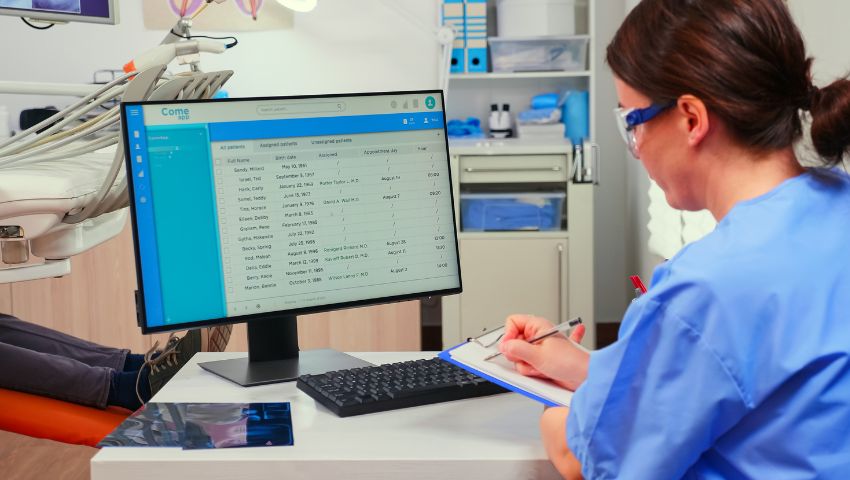
Patient expectations for fertility clinics have shifted considerably in recent years, shaped by broader changes in healthcare, technology, and how openly fertility treatment is now discussed. Patients arriving at a clinic today generally expect more transparency, faster communication, genuine emotional attunement, and a level of coordination that would have seemed unusual a decade ago. Understanding these evolving expectations helps clinics meet patients where they actually are, rather than relying on assumptions about what patients want that may no longer reflect current reality.
IVF software supports these expectations by connecting clinical workflows, improving patient communication, and providing seamless access to accurate, up-to-date treatment information.
How Patient Expectations Have Shifted Over Time
Patient expectations for fertility care today look meaningfully different than they did even a decade ago.
Broader Healthcare Trends Shaping Expectations
Patients across all of healthcare increasingly expect more transparency, digital convenience, and personalized attention, and fertility care is not exempt from these broader shifts.
Why Fertility Care Faces Particularly High Expectations
Given the emotional and financial significance of fertility treatment, patients often bring even higher expectations for attentiveness and communication than they might for a more routine medical encounter.
Increased Openness Around Fertility Treatment Itself
As fertility treatment has become more openly discussed and destigmatized, patients often arrive better informed and with clearer expectations about what quality care should look like.
Expecting Genuine Transparency
As explored elsewhere in this series, patients increasingly expect clinics to share information openly, not simply provide reassurance without underlying detail.
Wanting Access to Their Own Data
Patients expect meaningful access to their own results, records, and treatment reasoning, rather than relying entirely on staff to selectively relay information.
Wanting Honest Communication About Uncertainty
Patients generally prefer honest acknowledgment of genuine clinical uncertainty over falsely reassuring language that does not match the actual situation.
Expecting Timely, Proactive Communication
Patients today generally expect communication to be prompt and proactive, rather than something they need to actively pursue themselves.
Expecting Updates Without Having to Ask
Patients increasingly expect clinics to share relevant updates proactively, treating this as a baseline expectation rather than an exceptional level of service.
Expecting Fast Response to Their Own Questions
When patients do reach out with a question, they generally expect a reasonably prompt response, shaped by expectations set in other areas of their digital lives.
Example: Expecting Portal Message Responses Within a Day
A patient sending a portal message with a question increasingly expects a response within a day or so, an expectation shaped by similar response times they experience in other digital services.
Expecting Digital Convenience and Access
As discussed in depth elsewhere in this series, digital access has become a genuine expectation rather than an optional convenience.
Expecting Portal Access to Information
Patients generally expect to view their own results, upcoming appointments, and billing information through a digital portal, without needing to call for basic updates.
Expecting Mobile Friendly Tools
Given how much of daily life happens on mobile devices, patients increasingly expect fertility clinic digital tools to work smoothly on their phones specifically, not just a desktop browser.
Expecting Genuinely Personalized Care
Patients increasingly expect their care to feel individually tailored, rather than following a generic, one size fits all approach.
Expecting Their Specific History to Inform Decisions
Patients expect physicians to genuinely reference and build on their own individual treatment history, not apply a standard approach without regard to their particular situation.
Expecting Communication Tailored to Their Preferences
As covered elsewhere, patients increasingly expect their preferred level of detail and communication style to be respected, rather than a uniform approach applied to everyone.
Practical Note
Generic, impersonal care increasingly stands out as a shortfall rather than simply an acceptable baseline, given how personalized many other services patients use have become.
Expecting Emotional Attunement, Not Just Clinical Competence
Clinical excellence alone is no longer sufficient to meet patient expectations. Genuine emotional attunement has become an expected component of quality fertility care.
Expecting Staff to Recognize Emotional Weight
Patients expect staff to genuinely acknowledge the emotional significance of their treatment, not treat appointments as purely clinical transactions.
Expecting Compassion During Difficult Moments
As discussed elsewhere in this series, patients particularly expect genuine compassion and support during setbacks or difficult news, viewing this as a core measure of care quality.
Expecting Well Coordinated, Connected Care
Patients increasingly expect their care to feel like one coherent experience, rather than a series of disconnected interactions.
Expecting Consistency Across Staff
Patients expect to receive the same accurate information regardless of which specific staff member they interact with, viewing inconsistency as a sign of poor internal coordination.
Expecting Not to Repeat Themselves
Patients generally expect their care team to already know relevant details about their situation, rather than needing to repeatedly explain their own history at every visit.
Why This Expectation Has Intensified
As other digital services increasingly remember user preferences and history automatically, patients naturally extend similar expectations to their healthcare providers.
Expecting Clear Financial Information
Given the significant costs involved in fertility treatment, patients increasingly expect clear, upfront financial transparency.
Expecting Accurate Cost Estimates in Advance
Patients expect clear cost information before committing to a specific treatment step, rather than discovering costs only after the fact.
Expecting Prompt Communication About Cost Changes
When a treatment plan changes in a way that affects cost, patients expect to be informed promptly and clearly, rather than encountering an unexpected bill later.
Expecting to Be Genuinely Heard, Not Just Treated
Patients increasingly expect their own voice, questions, and concerns to genuinely shape their care, not simply be acknowledged in passing.
Expecting Their Questions to Receive Thorough Answers
Patients expect thoughtful, complete responses to their questions, rather than abbreviated answers that leave them feeling dismissed.
Expecting Their Preferences to Genuinely Influence Decisions
Patients increasingly expect shared decision making, where their own preferences and comfort level genuinely shape treatment choices, rather than decisions being made entirely without their input.
Meeting These Expectations Realistically as a Clinic
While these expectations are genuinely valid, clinics need practical, sustainable ways to meet them without becoming overwhelmed.
Prioritizing Systems That Support Multiple Expectations at Once
As explored throughout this series, well designed systems, connected records, proactive communication tools, personalized automation, often support several of these expectations simultaneously rather than requiring entirely separate solutions for each.
Being Honest About What Is Realistically Achievable
Clinics benefit from being transparent with patients about response times and communication norms, setting expectations that can be reliably met rather than overpromising.
Why Reliable, Modest Promises Outperform Overpromising
Consistently meeting a reasonable, clearly communicated expectation builds more trust over time than occasionally exceeding an unrealistic one while frequently falling short.
