What an Ideal Digital Workflow Looks Like in a Fertility Clinic
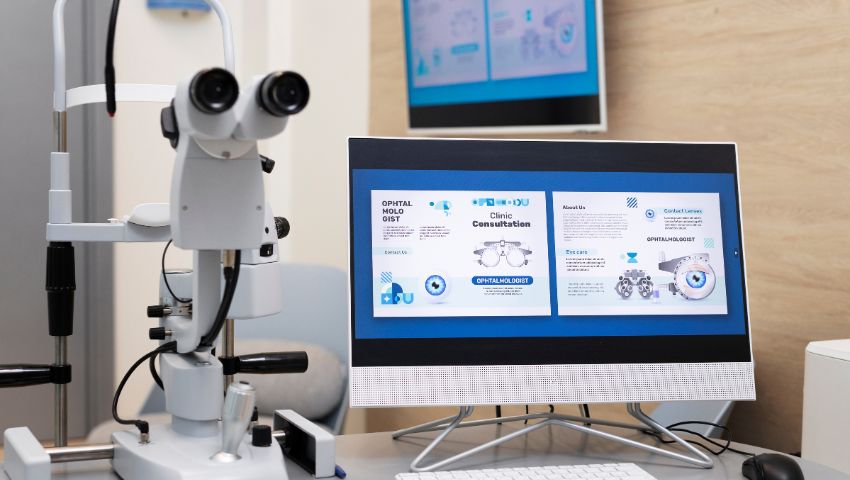
Most fertility clinics have some digital tools in place, an EHR, a scheduling system, maybe a separate embryology platform, but having digital tools is not the same as having a digital workflow that actually works well together. An ideal digital workflow means information moves smoothly from the moment a patient first calls the clinic through every appointment, lab result, and decision, all the way to the outcome of their treatment, without unnecessary manual steps or disconnected systems along the way.
What an Ideal Digital Workflow Actually Means
An ideal digital workflow is not defined by having the most advanced individual tools, but by how seamlessly those tools work together around the patient’s actual journey.
Seamlessness Over Sophistication
An ideal digital workflow is not defined by having the most advanced individual tools, but by how seamlessly those tools work together throughout the patient’s journey. IVF software integrates clinical, laboratory, administrative, and communication workflows into one connected platform, improving coordination, efficiency, and continuity of care.
Why This Distinction Matters
Clinics sometimes invest heavily in a single powerful tool while overlooking whether it actually integrates well with everything else the clinic relies on daily.
Designed Around the Patient’s Actual Journey
The ideal workflow mirrors how a patient actually experiences treatment, one continuous journey, rather than reflecting the clinic’s internal departmental boundaries.
Patient Intake and Registration
The workflow begins the moment a patient first reaches out to the clinic, and this stage sets the foundation for everything that follows.
Unified Registration Across Entry Points
Whether a patient calls, submits a website inquiry, or is referred by another provider, all of these entry points feed into the same connected registration system, preventing duplicate records from forming.
Immediate Access to Relevant History
If the patient has been seen before, the system immediately surfaces their existing record rather than requiring staff to search manually or risk creating a duplicate file.
Consultation and Diagnostic Testing Workflow
During the initial consultation and diagnostic phase, the ideal workflow centralizes information as it comes in from multiple sources.
Structured Consult Documentation
The physician documents the consultation using a structured template that captures diagnosis, treatment plan, and next steps in a consistent, searchable format.
Centralized Diagnostic Results
Bloodwork, imaging, and any specialist referrals feed directly into the patient’s record, giving the physician a complete diagnostic picture without needing to track down separate reports.
Example: A Referral Result Arriving Automatically
When a specialist completes a referral consultation, their findings flow directly into the patient’s fertility clinic record rather than arriving as a separate document that needs manual filing.
Stimulation and Monitoring Workflow
This stage generates the most frequent, time sensitive data, and the ideal workflow is built specifically to handle that pace.
Real Time Lab Result Delivery
Hormone levels and imaging results flow directly into the patient’s cycle timeline as soon as they are available, visible immediately to the physician and nursing team.
Same Day Decision Support
The physician reviews results alongside a visual trend line, makes a dosage decision, and that decision is documented and visible to the nursing team within minutes.
Practical Note
This stage is where the value of a truly connected digital workflow becomes most apparent, since delays here have the most direct clinical impact.
Automated Patient Communication
Once a decision is made, the patient receives a prompt, clear update about their next steps, whether that is a dosage change or scheduling adjustment.
Procedure Day Workflow
On the day of a retrieval or transfer, the ideal workflow ensures every piece of necessary information is ready and verified before the procedure begins.
Digital Pre Procedure Checklist
Staff complete a digital checklist confirming patient identity, current consent status, and recent lab results, with the procedure unable to proceed until every item is verified.
Coordinated Resource Availability
The scheduling system reflects physician, procedure room, and embryology lab availability together, ensuring the procedure is scheduled only when every needed resource is genuinely available.
Embryology Lab Workflow
The embryology lab operates with its own specialized workflow needs, fully connected to the broader clinical record.
Immediate Fertilization and Development Updates
As soon as fertilization is confirmed or a development update is available, it flows directly into the shared patient record, visible to the physician without a separate manual step.
Structured Grading and Storage Documentation
Embryo grading and any cryostorage actions are documented using structured fields linked directly to the correct patient and cycle, supporting long term accuracy.
Why This Connection Matters So Much Here
Given how much transfer timing depends on embryology data, any delay in this connection directly affects one of the most time sensitive decisions in the entire treatment process.
Transfer and Follow Up Workflow
After transfer, the ideal workflow continues to keep both the care team and the patient clearly informed through the waiting period.
Clear Result Timeline Communication
Patients receive a clear, automated communication about exactly when to expect results, reducing the anxiety of an open ended wait.
Coordinated Next Steps
Whether the outcome leads to continued pregnancy care coordination or planning for another cycle, the next steps are documented clearly and communicated promptly to the patient.
Billing and Administrative Workflow Running in Parallel
Throughout every clinical stage, the ideal workflow keeps billing and administrative functions updated in real time alongside the clinical process.
Automatic Billing Updates Tied to Treatment Changes
When a physician adjusts a treatment plan in a way that affects cost, the billing team is notified automatically rather than needing a separate manual update.
Front Desk Visibility Into Relevant Changes
Front desk staff see scheduling and visit type updates as soon as they change, allowing them to support patients accurately without needing full clinical detail.
Why Parallel Administrative Flow Matters
Keeping administrative functions updated in real time prevents the common experience of patients receiving outdated cost estimates or confusing check in instructions.
What Connects Every Stage Together
The defining feature of this ideal workflow is not any single stage, but the connective tissue that ties every stage into one coherent system.
One Continuous Patient Timeline
Rather than separate records for each stage, the ideal workflow presents one connected timeline spanning consultation through outcome, accessible to every relevant team member.
Consistent, Real Time Updates Across Roles
Every role, from physician to embryologist to front desk staff, sees the same accurate, current information relevant to their part of the process, updated as soon as it changes.
Getting Closer to This Ideal From Wherever You Are Now
Few clinics start with this level of integration already in place, and getting closer to it is a gradual process rather than an overnight change.
Starting With the Highest Impact Connections
Clinics can prioritize connecting the stages with the most direct clinical or financial impact first, such as linking lab results directly into the clinical timeline.
Building Toward Full Integration Over Time
Each additional connection made between previously separate systems moves a clinic closer to this ideal, even if full integration takes time to achieve across every stage.
Why Incremental Progress Still Delivers Real Value
Clinics do not need to achieve the full ideal workflow all at once to see meaningful benefits from each individual improvement made along the way.
The broader version of this sits in our complete operations guide.
