

How Ultrasound Machine Integration Improves Diagnostic Workflow Efficiency
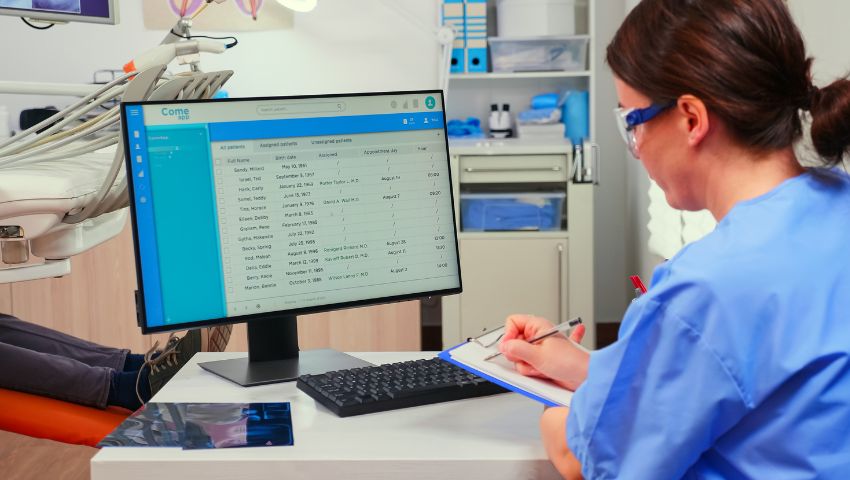
Table of Contents
Introduction
The Role of AI in Ultrasound Integration
Benefits of Ultrasound Machine Integration
Challenges in Implementing Integration
Case Studies Highlighting Success
Future Prospects of Integrated Ultrasound
Conclusion
FAQs
Introduction
In today’s healthcare, connecting ultrasound machines with digital systems is a big step forward. It helps doctors work faster and more accurately by allowing them to see and use images more easily. This means better and quicker diagnoses, which leads to improved care and better results for patients.
The integration of ultrasound machines into healthcare systems has revolutionized diagnostic processes. By combining imaging capabilities with electronic health records and AI-driven tools, clinicians can expedite diagnoses, reduce errors and enhance patient care. This synergy streamlines workflows and ensures that critical information is readily accessible, facilitating informed decision-making.
The Role of AI in Ultrasound Integration
Artificial Intelligence (AI) plays an important role in improving how ultrasound machines work. AI helps by reading images, making automatic measurements and giving useful predictions. For example, in breast ultrasound, AI can point out areas that may be a problem, helping doctors find issues early and plan treatment.
AI also saves time for radiologists. In breast screenings, AI has been shown to reduce the time spent looking at images by 38%, without affecting how accurate the results are.
Benefits of Ultrasound Machine Integration
Integrating ultrasound machines into healthcare systems offers numerous advantages:
- Enhanced Workflow Efficiency: Streamlines diagnostic processes, reducing patient wait times.
- Improved Diagnostic Accuracy: AI-driven tools assist in precise image interpretation.
- Seamless Data Management: Facilitates easy storage and retrieval of imaging data.
- Remote Accessibility: Enables telemedicine and remote consultations.
- Cost-Effective: Reduces the need for repeat scans and associated costs.
These benefits collectively contribute to a more efficient and patient-centric healthcare environment.
Challenges in Implementing Integration
While the advantages are clear, integrating ultrasound machines presents certain challenges:
- Technical Compatibility: Ensuring new systems are compatible with existing infrastructure.
- Training Requirements: Staff need adequate training to utilize integrated systems effectively.
- Data Security: Protecting patient data from potential breaches.
- Cost Implications: Initial investment in technology and training can be substantial.
- Maintenance and Support: Ongoing technical support is essential for system reliability.
Addressing these challenges requires strategic planning and investment.
Case Studies Highlighting Success
Several healthcare institutions have successfully implemented ultrasound machine integration:
- St. Luke’s University Health Network: By adopting digital ultrasound platforms with enhanced integration tools, they standardized protocols across multiple campuses, improving consistency and efficiency.
- GE HealthCare’s Digital Ultrasound Solutions: Incorporating AI-enabled tools, such as those for breast care, has streamlined workflows and improved diagnostic accuracy.
These examples underscore the tangible benefits of integrating ultrasound technology into healthcare systems.
Future Prospects of Integrated Ultrasound
The future of ultrasound machine integration is promising, with advancements focusing on:
- Enhanced AI Capabilities: Further automation in image analysis and diagnostics.
- Portable Devices: Development of handheld ultrasound machines for point-of-care diagnostics.
- Cloud Integration: Facilitating real-time data sharing and remote consultations.
- Interoperability Standards: Ensuring seamless communication between different healthcare systems.
- Patient-Centric Tools: Empowering patients with access to their imaging data.
These innovations aim to make ultrasound diagnostics more accessible and efficient.
Conclusion
In conclusion, ultrasound machine integration significantly enhances diagnostic workflow efficiency, leading to improved patient outcomes and streamlined healthcare processes. As technology continues to evolve, embracing these advancements is essential for modern healthcare systems.
LifeLinkr IVF Clinic Management Software simplifies medical workflows by integrating ultrasound machines directly into its platform. This allows real-time viewing of scans without extra software or manual uploads. Patient images sync automatically, speeding up diagnoses and improving care. The system also boosts teamwork by keeping critical imaging data easily accessible to all healthcare professionals.
FAQs
Q1: What is ultrasound machine integration?
Ultrasound machine integration involves connecting ultrasound devices with healthcare IT systems, such as electronic health records, to streamline diagnostic workflows and improve data accessibility.
Q2: How does AI enhance ultrasound diagnostics?
AI assists in image interpretation, automates measurements and provides predictive analytics, leading to faster and more accurate diagnoses.
Q3: Are there cost benefits to integrating ultrasound machines?
Yes, integration reduces the need for repeat scans, minimizes errors and enhances workflow efficiency, leading to cost savings.
Q4: What challenges might healthcare facilities face during integration?
Challenges include technical compatibility, training requirements, data security concerns and initial investment costs.
Q5: Can integrated ultrasound machines be used in remote areas?
A5: Yes, portable and handheld integrated ultrasound devices facilitate diagnostics in remote and underserved regions.
