



Why Treatment Milestones Matter in Fertility Care

Treatment Milestones

A fertility cycle is not one long, undifferentiated stretch of treatment. It is a sequence of distinct milestones, confirmed start of stimulation, trigger shot, retrieval, fertilization, transfer, each one marking a meaningful shift in what comes next clinically and emotionally. Recognizing and clearly tracking these milestones gives both the care team and the patient a shared sense of progress and structure through what can otherwise feel like an overwhelming, open ended process.

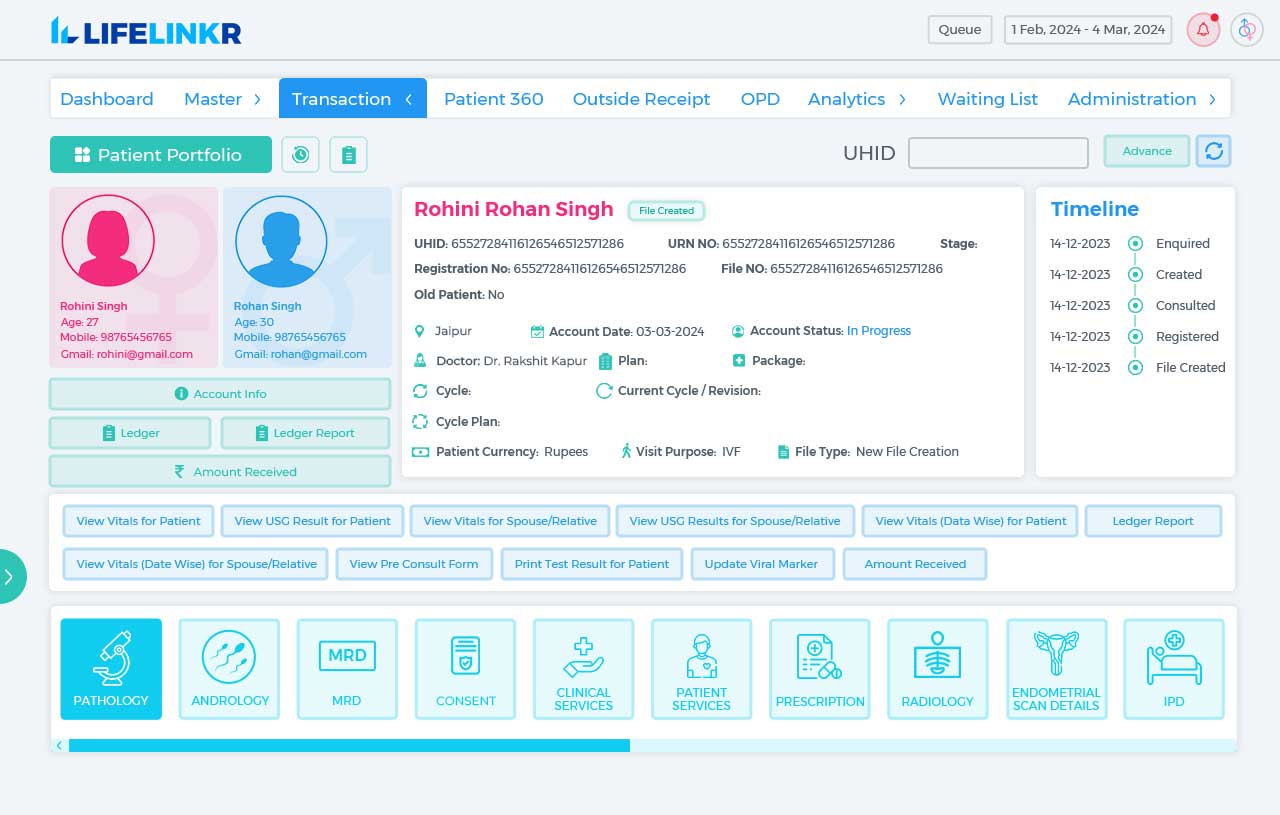
This guide explores why treatment milestones deserve careful attention in fertility care, how they improve clinical coordination and the patient experience, and what it takes to track them effectively. IVF software simplifies milestone tracking with real-time updates, automated workflows, and centralised patient records, ensuring every stage of treatment is accurately documented and managed.

Table of Contents

What Counts as a Treatment Milestone in Fertility Care

A treatment milestone is any significant, well defined point in a fertility cycle that marks a meaningful transition from one phase of treatment to the next.

Milestones as Distinct From Routine Data Points

Not every data point qualifies as a milestone. A single hormone level reading is routine monitoring data, while confirmation that stimulation has officially begun or that fertilization has occurred represents a genuine milestone.

Why This Distinction Matters

Treating every data point with the same weight as a true milestone can dilute the significance of the moments that genuinely deserve focused attention and communication.

Milestones Shared Across Clinical and Patient Understanding

Ideally, the same milestones that matter clinically also correspond to the moments patients themselves recognize as significant turning points in their own journey.

Why Milestones Matter for Clinical Coordination

From a clinical perspective, milestones provide natural checkpoints that structure how the care team coordinates around a patient’s progress.

Natural Points for Team Wide Review

Reaching a milestone often represents a logical moment to review the patient’s overall status and confirm the next phase of treatment is ready to proceed.

Clear Reference Points for Documentation

Milestones provide clear, meaningful reference points within a patient’s record, making it easier to organize and later review their treatment history around these key events.

Why Milestones Matter for the Patient Experience

For patients, milestones offer a sense of structure and progress that can make an otherwise uncertain process feel more manageable.

Providing a Sense of Forward Movement

Recognizing when a milestone has been reached gives patients a tangible sense that their treatment is progressing, even during stretches that might otherwise feel like uncertain waiting.

Creating Natural Moments for Meaningful Communication

Milestones represent natural opportunities for the clinical team to check in with patients in a way that feels significant rather than routine.

Example: Recognizing Fertilization Confirmation

Sharing the news that fertilization has been confirmed, even before development details are fully known, gives patients a meaningful update to hold onto during an otherwise anxious waiting period.

Key Milestones Across a Typical Treatment Cycle

While every patient’s journey is individual, certain milestones tend to recur across most standard fertility cycles.

Confirmed Start of Stimulation

The official start of the stimulation protocol marks the beginning of the active treatment phase, distinct from the diagnostic and planning stages that preceded it.

Trigger Shot Administration

The trigger shot represents a precisely timed milestone that sets retrieval timing in motion, carrying particular significance given how tightly it is linked to subsequent steps.

Retrieval, Fertilization, and Transfer

Each of these represents a distinct, clinically significant milestone, with fertilization confirmation and transfer timing decisions depending directly on the successful completion of the step before it.

Practical Note

Milestones often build directly on one another, making clear tracking of each one essential for confidently moving to the next.

How Milestones Support Team Wide Coordination

Clearly defined milestones give the entire care team a shared framework for understanding where a patient currently stands.

A Common Reference Point Across Roles

Physicians, nurses, and embryologists can all reference the same milestone language when discussing a patient’s status, reducing the risk of miscommunication about where things currently stand.

Supporting Smoother Handoffs

A clear milestone framework makes handoffs between staff members more efficient, since a patient’s current milestone status quickly orients an incoming team member to their situation.

Why Milestone Language Improves Handoff Efficiency

Referencing a specific, well understood milestone communicates more information more quickly than a lengthy narrative description of the same status.

Communicating Milestones Clearly to Patients

Patients benefit from understanding the milestone structure of their own treatment, not just experiencing it passively.

Explaining the Milestone Framework Early

Introducing patients to the general milestone structure of their treatment during the initial consultation helps them understand what to expect and recognize progress as it happens.

Confirming Milestones Promptly as They Occur

Patients should receive a clear, prompt update whenever a significant milestone is reached, reinforcing their sense of progress through the treatment process.

Tracking Milestones in More Complex Cases

Complex cases, such as those involving genetic testing or donor material, often include additional milestones beyond the standard cycle framework.

Adding Case Specific Milestones

A case involving preimplantation genetic testing, for example, includes a distinct testing and results milestone that does not apply to a standard cycle.

Maintaining Clarity Despite Added Complexity

Even as additional milestones are introduced for complex cases, the overall framework should remain clear and organized rather than becoming an undifferentiated list of steps.

Why This Clarity Matters Even More for Complex Cases

Patients navigating an already complex treatment path benefit even more from a clear milestone structure, since it helps make an inherently more complicated journey feel organized and understandable.

Comparing Milestones Across Multiple Cycles

For patients undergoing more than one cycle, comparing milestone timing and outcomes across cycles can reveal valuable patterns.

Identifying Differences in Milestone Timing

Comparing how quickly a patient reached a specific milestone, such as trigger readiness, across different cycles can highlight meaningful differences in their response to varying protocols.

Using Milestone Comparison to Inform Future Planning

These comparisons can directly inform planning for a future cycle, helping the physician anticipate how a patient is likely to progress based on their documented milestone history.

Building Milestone Tracking Into Everyday Systems

Consistent milestone tracking works best when it is built directly into a clinic’s everyday clinical systems rather than tracked informally.

Standardized Milestone Definitions

Clinics benefit from a clear, standardized definition of each milestone, ensuring every staff member understands and records these transition points consistently.

Milestone Based Views Within Clinical Software

Software that organizes a patient’s record around key milestones, rather than a simple chronological list of entries, supports faster and clearer understanding of a patient’s current status.

Frequently Asked Questions

What counts as a treatment milestone in fertility care?

It is a significant, well defined point in a cycle that marks a meaningful transition, such as confirmed stimulation start, trigger shot administration, or fertilization confirmation, distinct from routine daily monitoring data.

Why do milestones matter for clinical coordination specifically?

They provide natural checkpoints for team wide review and clear reference points that make a patient’s documented history easier to organize and understand.

How do milestones benefit the patient experience?

They give patients a tangible sense of progress through an often uncertain process and create natural, meaningful moments for the clinical team to communicate directly with them.

What are some common milestones across a typical fertility cycle?

Confirmed start of stimulation, trigger shot administration, retrieval, fertilization confirmation, and transfer are common milestones most standard cycles include.

How do milestones support smoother handoffs between staff?

Referencing a specific, well understood milestone communicates a patient’s current status more quickly and clearly than a lengthy narrative description would.

How should complex cases handle additional milestones, such as genetic testing?

Additional case specific milestones should be added clearly to the overall framework, maintaining organization even as complexity increases.

Why is comparing milestones across multiple cycles valuable?

Differences in how quickly a patient reached a specific milestone across cycles can reveal meaningful patterns that inform planning for future treatment.

How can clinics build consistent milestone tracking into their everyday systems?

Standardized milestone definitions and software that organizes patient records around these key transition points support more consistent, useful milestone tracking across the whole team.

PR & Marketing Manager at LifeLinkr, leading brand communication and strategic campaigns in the IVF industry to enhance engagement and drive impactful growth.