



How Consistent Record Keeping Supports Better Patient Outcomes

Consistent Record Keeping

Two clinics can use the exact same software, follow similar protocols, and employ equally skilled physicians, and still produce noticeably different patient outcomes based on one often overlooked factor, how consistently their records are actually kept. Consistency is not about perfection or exhaustive detail. It is about every entry, regardless of who wrote it or when, following the same reliable standard, so the information a physician relies on genuinely reflects what happened rather than a version shaped by whoever happened to be documenting that day.

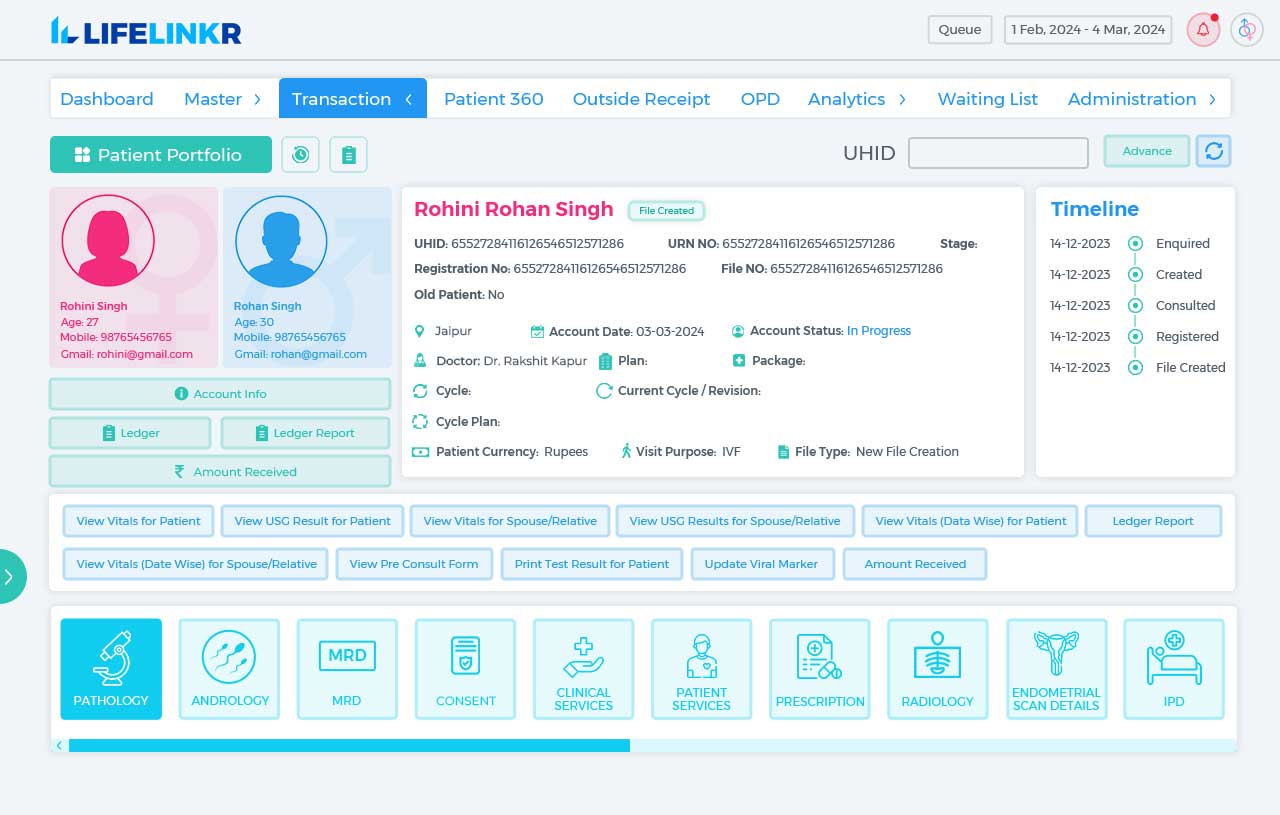
This guide explores the connection between consistent record-keeping and patient outcomes in fertility care, and what it takes to achieve that consistency across the entire clinical team. IVF software standardises documentation, centralises patient records, and supports seamless collaboration, helping clinics deliver more accurate, coordinated, and effective care.

Table of Contents

The Direct Connection Between Consistency and Outcomes

Consistent record keeping affects outcomes not through any single dramatic event, but through the steady accumulation of small advantages across every decision a physician makes.

Decisions Built on Trustworthy Information

When records are consistent, a physician can trust that what they are reading accurately reflects the patient’s history, supporting more confident and well informed decisions.

Why This Trust Matters Practically

A physician who has learned to doubt the reliability of certain records may spend extra time verifying information or, worse, may proceed with an incomplete picture rather than delaying care to track down clarity.

Consistency Compounding Over an Entire Treatment Journey

The benefit of consistent records grows over time, since a patient’s full history becomes increasingly valuable for guiding future decisions the longer and more complex their journey becomes.

What Consistent Record Keeping Actually Looks Like

Consistency is a specific, definable quality of documentation, not simply a vague aspiration.

Uniform Formatting and Units

Every entry uses the same measurement units and formatting conventions, regardless of which staff member recorded it, allowing for reliable comparison over time.

Predictable Structure and Content

Similar types of entries, such as monitoring visit notes, follow a predictable structure that includes the same core information every time.

Example: A Predictable Monitoring Note Structure

Every monitoring visit note reliably includes cycle day, relevant lab values, and any protocol changes in the same order and format, regardless of which nurse or physician documented it.

How Consistency Shapes Treatment Decisions

Treatment decisions depend heavily on comparison, and consistency is what makes that comparison meaningful.

Reliable Trend Interpretation

A physician reviewing a hormone level trend needs confidence that each data point was recorded the same way, or the apparent trend itself becomes unreliable.

Confident Protocol Adjustments

Adjusting a protocol based on a patient’s documented response depends on that response being recorded consistently enough to trust the comparison to prior cycles or expected benchmarks.

Practical Note

A physician cannot make a confident adjustment based on a comparison they do not trust, which is exactly what inconsistent record keeping puts at risk.

Consistency’s Role Across Multiple Treatment Cycles

For patients undergoing more than one cycle, consistent record keeping becomes even more important to genuinely useful long term comparison.

Comparing Response Patterns Over Time

Identifying whether a patient’s response is improving, declining, or holding steady across cycles depends on each cycle being documented with the same reliable standard.

Avoiding Misleading Apparent Trends

Inconsistent documentation between cycles can create the illusion of a meaningful change when the real difference is simply how the information was recorded, not an actual clinical shift.

Why This Risk Grows With More Cycles

The more cycles a patient goes through, the more opportunities exist for inconsistency to accumulate and distort the physician’s overall understanding of their pattern of response.

Why Consistency Matters Most During Handoffs

Handoffs between staff members are a particularly important moment where consistent documentation pays off directly.

A New Provider Reading an Unfamiliar Chart

When a different physician or nurse takes over a case, consistent documentation allows them to quickly and accurately understand the patient’s situation without needing to interpret unfamiliar personal shorthand or formatting.

Reducing the Risk of Misinterpretation

Consistency reduces the chance that a new provider misunderstands a detail simply because it was recorded differently than they are used to seeing.

Inconsistency as a Hidden, Cumulative Risk

Inconsistent record keeping rarely causes a dramatic, immediately visible failure. Instead, it tends to create a slow accumulation of small risks.

Errors That Compound Quietly

A small inconsistency here and there may not seem significant individually, but across a patient’s full record, or across an entire clinic’s patient base, these inconsistencies can meaningfully undermine overall reliability.

Difficulty Recognizing the Problem Until It Surfaces

Because inconsistency often does not cause an obvious failure right away, clinics may not recognize how widespread the problem has become until a specific case brings it clearly into view.

Building Consistency Across an Entire Clinical Team

Achieving genuine consistency requires deliberate effort across every member of the clinical team, not just individual good intentions.

Documented, Shared Standards

A clear, written standard describing exactly how common entry types should be documented gives every staff member the same reference point to follow.

Regular Team Calibration

Periodically reviewing sample entries together as a team helps identify where documentation habits have started to diverge and realigns everyone around the shared standard.

Why Team Calibration Works Better Than Individual Correction

Seeing how different colleagues document the same type of situation surfaces inconsistencies more effectively than reviewing one person’s documentation in isolation.

Maintaining Consistency as New Staff Join

New staff members represent a particular risk point for consistency, since they arrive without the informal habits already established among the existing team.

Structured Onboarding Around Documentation Standards

New staff should be introduced to the clinic’s specific documentation standards early and explicitly, rather than expected to absorb them informally over time.

Early Feedback During the Onboarding Period

Providing direct, constructive feedback on documentation during a new staff member’s first weeks helps establish consistent habits before informal, less consistent patterns have a chance to take hold.

Measuring Whether Record Keeping Is Actually Consistent

Clinics benefit from actively checking whether their documentation is genuinely consistent, rather than assuming it is based on general impression alone.

Reviewing a Sample of Similar Entries

Comparing a sample of similar entry types, such as several monitoring notes from different staff members, reveals concretely how consistent documentation actually is in practice.

Tracking Consistency Over Time

Periodically repeating this kind of review helps clinics understand whether their consistency is improving, holding steady, or gradually drifting as staff and workflows change.

How Technology Supports Consistent Record Keeping

The right software makes consistency significantly easier to achieve and maintain across an entire clinical team.

Structured Templates Over Free Text

Templates that guide staff toward a consistent structure for common entry types naturally reduce the variation that free text documentation tends to introduce.

Enforced Units and Formatting Standards

Systems that enforce a single unit and formatting standard for specific data fields prevent the kind of small inconsistencies that can otherwise accumulate across many individual entries.

Why This Support Matters at Scale

As a clinic grows and more staff members contribute to patient records, relying purely on individual discipline becomes less reliable than having systems that actively enforce consistency by design.

Frequently Asked Questions

How does consistent record keeping actually affect patient outcomes?

It supports more confident, well informed treatment decisions by ensuring physicians can trust that the information they are reviewing accurately and reliably reflects the patient’s history.

What does consistent documentation actually look like in practice?

It means uniform formatting and units across entries, along with a predictable structure for similar types of notes, regardless of which staff member documented them.

Why does consistency matter especially for multi cycle patients?

Comparing a patient’s response across several cycles depends on each cycle being documented with the same reliable standard, or the comparison itself becomes misleading.

Why does consistency matter so much during staff handoffs?

A new provider taking over a case can understand a patient’s situation more quickly and accurately when documentation follows a familiar, consistent structure rather than unfamiliar personal shorthand.

Why is inconsistency considered a hidden risk?

Inconsistent documentation rarely causes an immediately visible failure, allowing small inconsistencies to accumulate quietly until a specific case brings the underlying problem into clear view.

How can clinics build consistency across an entire team?

Documented, shared standards combined with regular team calibration sessions help identify and realign documentation habits that may have started to diverge.

Why do new staff members represent a particular risk to consistency?

They arrive without the informal habits already shared among existing staff, making structured onboarding and early feedback especially important for establishing consistent practices from the start.

How does technology support consistent record keeping?

Structured templates and enforced formatting standards reduce the variation that free text entry can introduce, making consistency easier to maintain as a clinic and its staff grow.

PR & Marketing Manager at LifeLinkr, leading brand communication and strategic campaigns in the IVF industry to enhance engagement and drive impactful growth.