
Preventing Delays in Fertility Treatment Through Better Documentation
A delayed cycle rarely traces back to a single dramatic mistake. More often, it traces back to a missing consent form discovered the morning of a procedure, a lab result documented late enough that a same day decision could not be made in time, or a protocol detail that was never clearly recorded and had to be reconstructed from memory. Documentation is not just a record of what happened. In fertility care, it is often the thing standing between a treatment plan proceeding on schedule and a delay that costs a patient time they cannot easily get back.
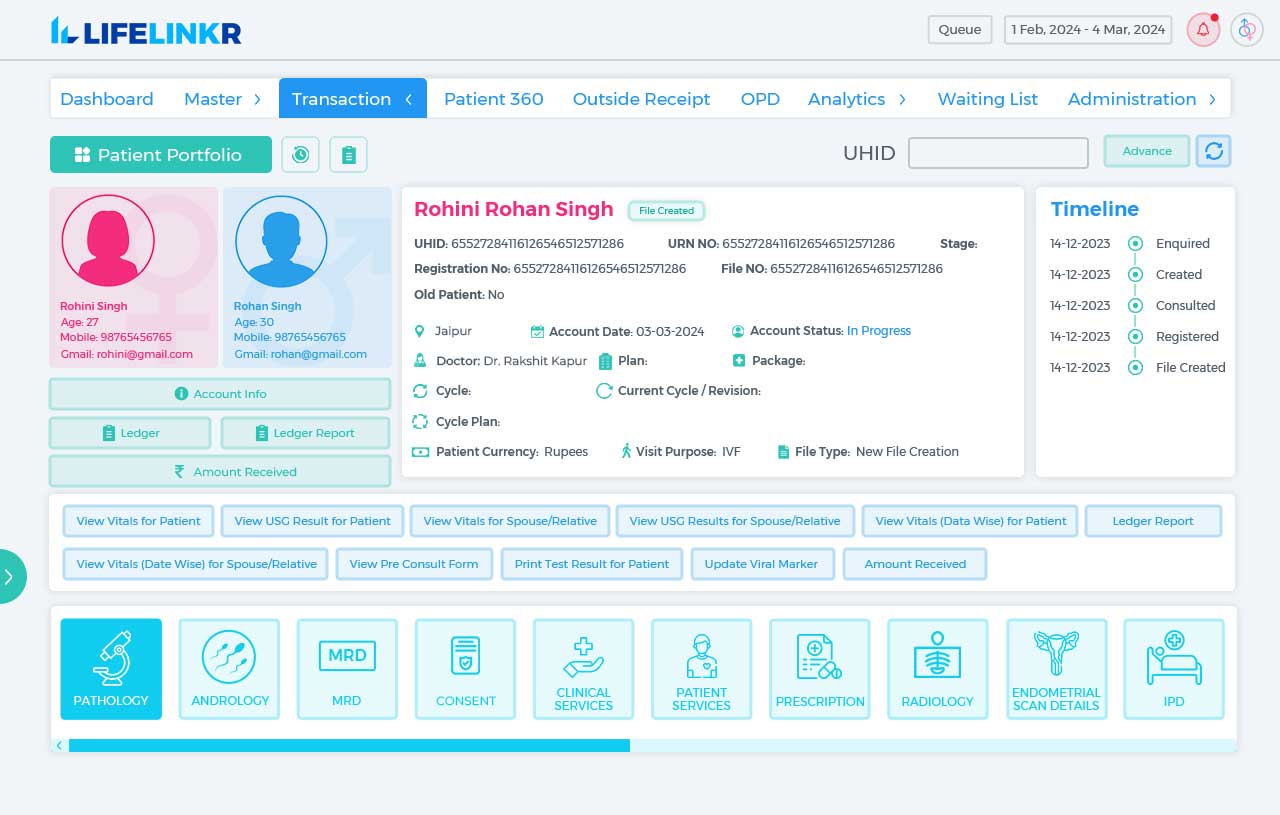
This guide examines how documentation gaps directly lead to treatment delays and the practical steps clinics can take to eliminate them. IVF software helps by maintaining complete, real-time patient records, reducing manual errors, and ensuring critical information is always available when care decisions need to be made.
Table of Contents
- The Direct Link Between Documentation and Treatment Delays
- Delays Caused by Incomplete or Outdated Consent Documentation
- Delays From Late or Incomplete Lab Result Documentation
- Delays Caused by Unclear Protocol Documentation
- Delays From Incomplete Handoff Documentation
- Delays Linked to Insurance and Billing Documentation
- Preventing Consent Related Delays Specifically
- Preventing Lab Documentation Related Delays
- Building Proactive Documentation Checks Into the Schedule
- The Role of Technology in Preventing Documentation Related Delays
- Frequently Asked Questions
The Direct Link Between Documentation and Treatment Delays
Documentation gaps translate into delays because so many steps in fertility treatment cannot proceed without confirmed, accurate information already in place.
Documentation as a Prerequisite, Not Just a Record
In many cases, documentation is not simply recording what already happened. It is the confirmation needed before the next step can actually proceed, such as verified consent before a procedure begins.
Why This Distinction Matters
Viewing documentation only as an after the fact record misses how often it functions as an active gatekeeper for whether treatment can move forward on schedule.
Small Gaps Creating Outsized Delays
A documentation gap that takes only a few minutes to resolve can still delay an entire day’s schedule if it is discovered at the wrong moment, such as immediately before a scheduled procedure.
Delays Caused by Incomplete or Outdated Consent Documentation
Consent documentation is one of the most common sources of last minute treatment delays.
Discovering a Missing Signature Too Late
If a required consent form is not verified until the morning of a procedure, discovering it is missing or incomplete at that point can force a delay that could have been avoided with earlier verification.
Consent Not Reflecting a Recent Plan Change
When a treatment plan changes after consent was originally signed, an outdated form can halt a procedure until updated consent is obtained, creating an avoidable delay.
Example: A Same Day Protocol Addition
If a physician adds an additional procedure step the same week as a scheduled retrieval, but the consent form is not updated in time, staff may need to pause and obtain new consent right before the procedure, delaying the schedule.
Delays From Late or Incomplete Lab Result Documentation
Same day decisions depend on lab results being documented and visible promptly, and any lag here creates a direct delay risk.
Results Entered but Not Yet Reviewed
A lab result documented into the system but not flagged for physician review can sit unnoticed longer than intended, delaying the same day decision that depended on it.
Incomplete Result Entries Requiring Follow Up
A partially documented result, missing a unit or a specific value, may require staff to track down the missing detail before a physician can confidently act on it.
Practical Note
The value of a lab result depends entirely on how quickly and completely it gets documented and surfaced to the person who needs to act on it.
Delays Caused by Unclear Protocol Documentation
When a patient’s current protocol is not clearly documented, staff may need to pause and clarify details before proceeding with a scheduled step.
Ambiguity About the Current Medication Plan
If recent dosage changes are not clearly reflected in the documented protocol, nursing staff may need to confirm details with the physician before administering the next dose, adding delay.
Reconstructing Missing Protocol History
A physician reviewing an incompletely documented protocol history may need to spend extra time reconstructing details before feeling confident proceeding with the next step.
Why This Reconstruction Time Adds Up
Even a short delay caused by clarifying protocol details can compound across a busy clinic day if this kind of gap occurs repeatedly across multiple patients.
Delays From Incomplete Handoff Documentation
Handoffs between staff, whether during a shift change or between roles, can introduce delays if documentation does not clearly capture what the incoming team needs to know.
Missing Details About Pending Action Items
If a handoff note omits a pending task, such as a follow up call that still needs to happen, the incoming staff member may not realize it needs attention until later than ideal.
Unclear Status on In Progress Decisions
A handoff that does not clearly document the status of an in progress clinical decision can leave the next team member unsure whether to proceed or wait for further input.
Delays Linked to Insurance and Billing Documentation
While often considered separate from clinical care, insurance and billing documentation gaps can still delay treatment timing.
Incomplete Coverage Verification
If insurance verification for an upcoming procedure is not completed and documented in advance, discovering a coverage issue close to the procedure date can force a delay.
Missing Financial Documentation Patients Are Waiting On
Patients waiting for cost confirmation before proceeding with a next step may delay their own decision if that documentation is not provided to them promptly.
Preventing Consent Related Delays Specifically
Given how often consent documentation causes delays, this area deserves particular preventive attention.
Verifying Consent Well Ahead of Procedures
Checking consent status several days before a scheduled procedure, rather than the morning of, gives staff time to resolve any issue without affecting the treatment timeline.
Updating Consent Immediately After Plan Changes
Whenever a treatment plan changes in a way that affects consent, updating the relevant documentation immediately prevents this gap from surfacing unexpectedly later.
Preventing Lab Documentation Related Delays
Similarly, proactive habits around lab documentation help prevent same day decision delays.
Flagging Results for Immediate Review
Ensuring new lab results are automatically flagged for physician review, rather than simply added to the record passively, helps prevent them from being overlooked.
Requiring Complete Entries at the Point of Documentation
Making required fields, such as units and specific values, mandatory at the point of entry reduces the need for later follow up to complete an incomplete result.
Why Prevention Here Is More Efficient Than Correction Later
Catching an incomplete entry immediately at the point of documentation is far more efficient than discovering the gap later, when it may be closer to an actual decision deadline.
Building Proactive Documentation Checks Into the Schedule
Rather than discovering documentation gaps at the last possible moment, clinics benefit from building proactive checks earlier into the schedule.
Scheduled Pre Procedure Documentation Reviews
Reviewing a patient’s documentation status several days before a scheduled procedure, rather than only the day of, gives staff a realistic window to resolve any gap found.
Daily Review of Pending Documentation Items
A brief daily review of outstanding documentation tasks across active patients helps catch gaps early, before they have a chance to affect a scheduled step in treatment.
The Role of Technology in Preventing Documentation Related Delays
The right systems can catch many documentation gaps automatically, well before they have a chance to cause a treatment delay.
Automated Flags for Missing or Outdated Documentation
Software that automatically flags an upcoming procedure with incomplete consent, or a result awaiting physician review, surfaces these gaps proactively rather than leaving discovery to chance.
Required Fields That Prevent Incomplete Entries
Systems that enforce required documentation fields prevent incomplete entries from being saved in the first place, reducing the need for later follow up.
Why Automation Reduces the Risk of Last Minute Delays
Automated checks catch documentation gaps well in advance of a scheduled treatment step, giving staff time to resolve them without the pressure of a last minute discovery.
Frequently Asked Questions
Why does documentation function as more than just a record in fertility care?
Documentation often serves as a required confirmation before the next treatment step can proceed, such as verified consent before a procedure, rather than simply recording what already happened.
Why is consent documentation such a common source of treatment delays?
Missing signatures or outdated consent that does not reflect a recent plan change can halt a scheduled procedure until the documentation is properly updated.
How can incomplete lab documentation delay same day decisions?
A result entered but not flagged for review, or missing key details like units, can require additional follow up before a physician can confidently act on it.
How do handoff documentation gaps contribute to delays?
Missing details about pending tasks or the unclear status of an in progress decision can leave incoming staff unsure how to proceed, creating unnecessary delay.
How can clinics prevent consent related delays specifically?
Verifying consent status well ahead of scheduled procedures and updating documentation immediately after any plan change help prevent this common source of delay.
What proactive steps help prevent lab documentation delays?
Automatically flagging new results for physician review and requiring complete entries at the point of documentation both help prevent delays tied to incomplete or overlooked results.
Why are proactive documentation reviews more effective than last minute checks?
Reviewing documentation status several days before a scheduled procedure gives staff a realistic window to resolve any gap, rather than discovering it the day of.
How does technology help prevent documentation related delays?
Automated flags for missing or outdated documentation, along with required fields that prevent incomplete entries, catch potential delays well before they affect a scheduled treatment step.