

How Missed Follow-Ups Can Affect Fertility Care
A missed follow up call rarely feels urgent in the moment it is missed. The patient does not call back immediately with a crisis, the clinic does not notice a gap right away, and life simply moves on. But in fertility care, where treatment plans depend on timely check ins and where patients are often processing significant emotional and clinical information, a missed follow up can quietly derail a patient’s next steps, delay a needed adjustment, or leave someone feeling forgotten during an already difficult process.
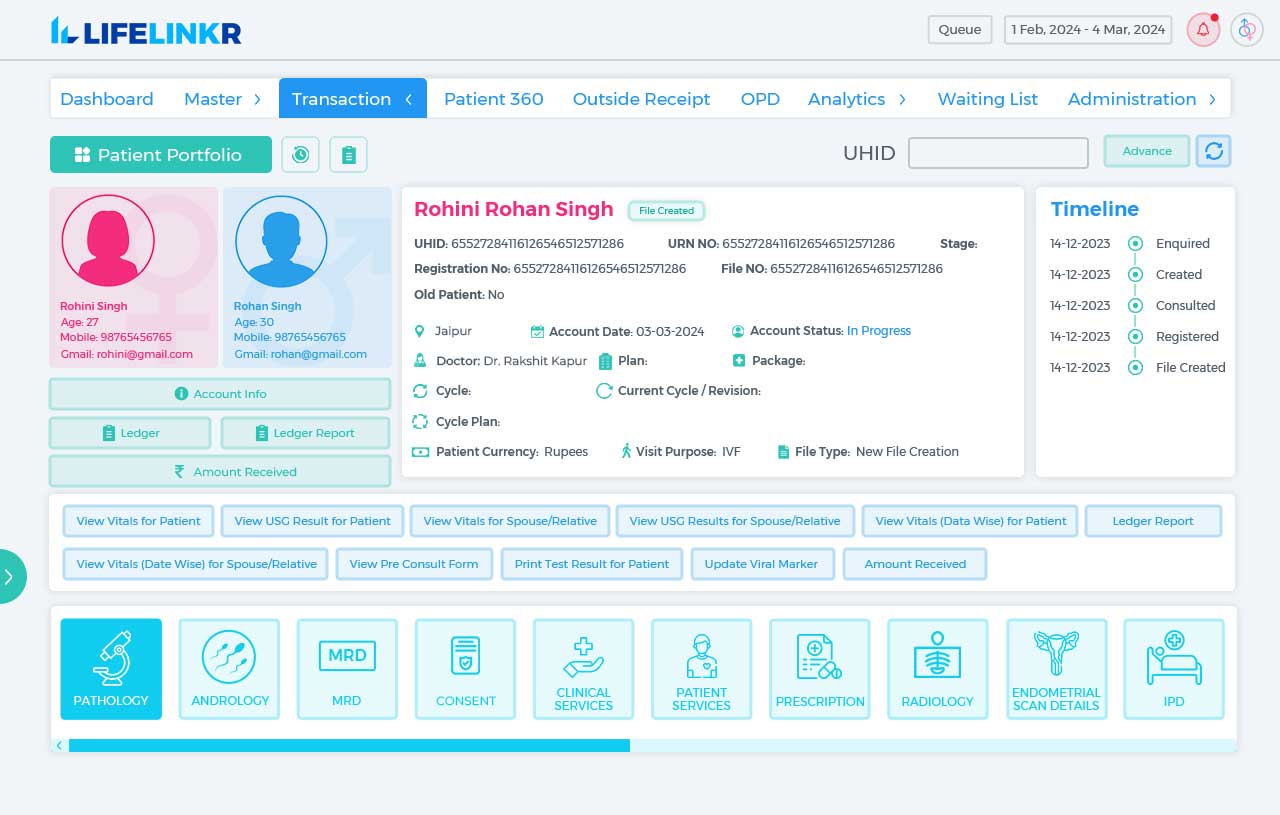
This guide explains why missed follow-ups carry significant risks in fertility care, where they commonly occur, and how clinics can prevent them. IVF software automates follow-up scheduling, sends timely reminders, tracks patient progress, and ensures no critical appointments or treatment milestones are overlooked.
Table of Contents
- What Counts as a Missed Follow Up
- Why Follow Ups Matter So Much in Fertility Care
- Clinical Consequences of a Missed Follow Up
- Emotional Consequences for Patients
- Where Follow Ups Commonly Get Missed
- Follow Ups After Difficult Outcomes
- Follow Ups After Successful Outcomes
- Building Reliable Follow Up Tracking Systems
- Assigning Clear Ownership for Follow Up Completion
- The Role of Technology in Preventing Missed Follow Ups
- Frequently Asked Questions
What Counts as a Missed Follow Up
A missed follow up is any planned check in, call, or appointment that should have happened but did not, whether due to an oversight, unclear ownership, or a scheduling gap.
Beyond Just Missed Appointments
A missed follow up is not limited to a formally scheduled visit. It can also include an intended phone call that never happened or a planned check in that quietly fell through the cracks.
Why This Broader Definition Matters
Focusing only on scheduled appointments overlooks the many informal follow up commitments that are just as important to a patient’s overall experience of continuity.
Missed Follow Ups Versus Delayed Ones
A follow up that happens later than intended is different from one that never happens at all, though both can carry real consequences depending on the situation.
Why Follow Ups Matter So Much in Fertility Care
Fertility treatment involves more emotionally and clinically significant transition points than many other areas of care, making follow up particularly important.
Following Up After Significant Clinical Events
Whether it is confirming a patient understood post procedure instructions or checking in after a difficult result, these follow ups directly support both safety and emotional wellbeing.
Patients Often Hesitant to Reach Out Themselves
Patients experiencing a difficult moment in their fertility journey do not always reach out proactively, even when they have unanswered questions or concerns, making the clinic’s own follow up especially important.
Example: A Patient Not Reaching Out After a Difficult Result
A patient who received difficult news may not feel comfortable calling the clinic with follow up questions, making a proactive check in from the clinic the only realistic way those questions get addressed.
Clinical Consequences of a Missed Follow Up
Beyond the emotional impact, missed follow ups can carry real clinical risk.
Delayed Recognition of a Developing Issue
A missed follow up call after a procedure could mean a developing complication goes unnoticed longer than it should, since the patient may not know to flag it themselves.
Missed Opportunities to Adjust a Treatment Plan
If a planned follow up meant to discuss next steps does not happen, a patient may delay starting their next cycle simply because they were waiting to hear back from the clinic.
Practical Note
A missed follow up does not just fail to add value. It can actively create a gap that would not have existed if the check in had happened as planned.
Emotional Consequences for Patients
Fertility treatment already carries significant emotional weight, and a missed follow up can compound that difficulty.
Feeling Forgotten During a Vulnerable Time
A patient waiting for a promised follow up call that never comes can reasonably feel that the clinic has lost track of their case, even if that was never actually true.
Eroding Trust in the Clinic’s Coordination
Repeated missed follow ups, even minor ones, can gradually erode a patient’s confidence in how well coordinated their overall care truly is.
Why Emotional Impact Deserves Equal Attention
Clinical consequences are not the only measure of a missed follow up’s cost. The emotional toll on an already vulnerable patient is just as real and worth taking seriously.
Where Follow Ups Commonly Get Missed
Certain points in a patient’s fertility journey are more prone to follow up gaps than others.
During Staff Transitions
If the staff member who committed to a follow up call leaves for the day, goes on vacation, or changes roles, the follow up can easily be lost unless clearly reassigned.
After a Busy or Emotionally Difficult Day
On days involving a high volume of patients or particularly difficult conversations, planned follow ups can be more easily deprioritized amid competing demands.
Follow Ups After Difficult Outcomes
Follow up after a difficult outcome deserves particular attention given how emotionally significant this moment is for patients.
Checking In Beyond the Initial Delivery of News
A follow up conversation a few days after difficult news gives patients a chance to ask questions they may not have been ready to voice in the initial moment.
Coordinating Emotional and Clinical Follow Up Together
Following up on both the clinical next steps and the patient’s emotional wellbeing, rather than treating these as entirely separate conversations, supports a more genuinely complete follow up.
Why Combining These Follow Ups Matters
Patients processing a difficult outcome often cannot fully absorb clinical next steps until their emotional response has been acknowledged, making an integrated follow up more effective than a purely clinical one.
Follow Ups After Successful Outcomes
Follow up matters after positive outcomes as well, even though it is easy to assume less attention is needed once things go well.
Confirming Continued Care Coordination
Following up to ensure a patient has successfully transitioned to ongoing pregnancy care, if applicable, closes the loop on the fertility clinic’s specific role in their journey.
Addressing Any Remaining Questions
Even after a successful outcome, patients may have lingering questions about their treatment history that a follow up conversation can address.
Building Reliable Follow Up Tracking Systems
Preventing missed follow ups requires a system that does not rely solely on individual memory.
Logging Every Planned Follow Up
Every follow up commitment, whether a formal appointment or an informal promised call, should be logged in a system that tracks its completion status clearly.
Flagging Overdue Follow Ups Automatically
A system that automatically flags a follow up as overdue, rather than relying on staff to remember it independently, catches gaps before they extend too long.
Why Automated Flagging Matters Here
Relying purely on staff memory for follow up tracking is inherently unreliable during busy periods, making automated tracking a meaningful safeguard.
Assigning Clear Ownership for Follow Up Completion
Clear ownership prevents the common problem of a follow up being assumed to be someone else’s responsibility.
Designating a Specific Owner for Each Follow Up
Every planned follow up should have a clearly designated staff member responsible for completing it, rather than being left as a shared, ambiguous responsibility.
Handling Reassignment During Staff Transitions
When a staff member is unavailable, follow up ownership should be explicitly reassigned rather than left unclear, ensuring the commitment does not simply disappear.
The Role of Technology in Preventing Missed Follow Ups
Software designed to track and flag follow up tasks meaningfully reduces the risk of them being forgotten.
Follow Up Tracking Built Into the Clinical System
Systems that allow staff to log and track follow up commitments directly within the patient’s record make it easier to maintain visibility across the whole team.
Automated Reminders for Staff
Automated reminders prompting staff to complete an upcoming or overdue follow up reduce reliance on individual memory during busy periods.
Why This Support Matters Given the Emotional Stakes
Given how much emotional weight follow up conversations often carry in fertility care, ensuring they reliably happen is worth the investment in dedicated tracking tools.
Frequently Asked Questions
What counts as a missed follow up in fertility care?
It includes any planned check in, call, or appointment that should have happened but did not, whether formally scheduled or an informal commitment made during a conversation.
Why do follow ups matter so much in fertility care specifically?
Fertility treatment involves emotionally and clinically significant transition points, and patients experiencing difficult moments often do not reach out proactively themselves.
What clinical risks come from a missed follow up?
A missed follow up can delay recognition of a developing complication or create an unnecessary delay in a patient starting their next treatment cycle.
Why do missed follow ups carry emotional consequences as well?
A patient waiting for a promised follow up that never comes can reasonably feel forgotten during an already vulnerable time in their fertility journey.
Where do follow ups most commonly get missed?
Staff transitions and particularly busy or emotionally difficult days are common points where planned follow ups can slip through unnoticed.
Why does follow up after a difficult outcome require special attention?
Patients often cannot fully process clinical next steps until their emotional response has been acknowledged, making a combined emotional and clinical follow up more effective.
How can clinics ensure follow ups are not forgotten?
Logging every planned follow up in a tracked system and assigning clear ownership for each one significantly reduces the risk of it being missed.
How does technology help prevent missed follow ups?
Systems that track follow up commitments within the patient’s record and send automated reminders reduce reliance on individual staff memory during busy periods.