
Tracking embryo transfer scheduling within clinic software

Tracking embryo transfer

Table of Contents

Introduction

Embryo transfer is the most pivotal step in any IVF cycle. It is the moment when a carefully cultured embryo is placed into the uterus and its timing must be absolutely precise. A delay, a miscommunication, or an overlooked protocol can directly impact success rates and patient outcomes.

Tracking embryo transfer scheduling within clinic software has become a foundational requirement for modern fertility practices. As IVF volumes increase and treatment protocols grow more sophisticated, clinics need centralized digital systems to coordinate every element of this process. Manual calendars and fragmented communication channels are no longer adequate. Purpose-built clinic software brings accuracy, speed and reliability to one of the most sensitive procedures in reproductive medicine.

Why Embryo Transfer Scheduling Matters?

Embryo transfer scheduling is not simply a logistical task. It is a clinical decision that depends on hormone levels, endometrial readiness, embryo development stage and patient health status. Every variable must align perfectly and the scheduling system must reflect that complexity.

  • Timing directly influences implantation success rates
  • Multiple team members must be coordinated simultaneously
  • Patients need clear, timely communication at every stage
  • Regulatory and documentation requirements must be met
  • Cycle data must be integrated with broader treatment records

Even small scheduling errors can disrupt a cycle entirely, leading to emotional distress for patients and financial losses for the clinic. Structured digital systems eliminate these risks by creating a single, reliable source of truth.

What Is Embryo Transfer Scheduling in IVF?

Embryo transfer scheduling encompasses all the planning, communication and documentation involved in arranging and executing a transfer procedure. This includes identifying the optimal transfer window based on cycle monitoring, coordinating the availability of the physician, embryologist and nursing team and preparing the patient with clear pre-procedure instructions.

Each transfer cycle involves multiple touchpoints. These range from initial consultation and protocol assignment to cycle monitoring appointments, lab readiness confirmation and post-transfer follow-up. Every step must be tracked and linked to the patient’s complete clinical record.

When scheduling is managed within a dedicated clinic software platform, all these elements are connected and visible in real time, reducing the risk of missed steps or conflicting information.

Why Manual Scheduling Falls Short?

Many clinics still rely on spreadsheets, shared calendars, or paper-based scheduling systems. While these tools may have worked in smaller practices, they are increasingly inadequate for the demands of modern fertility care.

  • No automated alerts when cycle milestones are approaching
  • High risk of double bookings or missed appointments
  • Difficult to coordinate across physicians, embryologists and nurses
  • Patient communication must be managed separately

As clinics scale and patient loads grow, manual systems become a liability. Clinic software solves these problems by automating the most error-prone parts of the scheduling workflow.

How Clinic Software Transforms Scheduling?

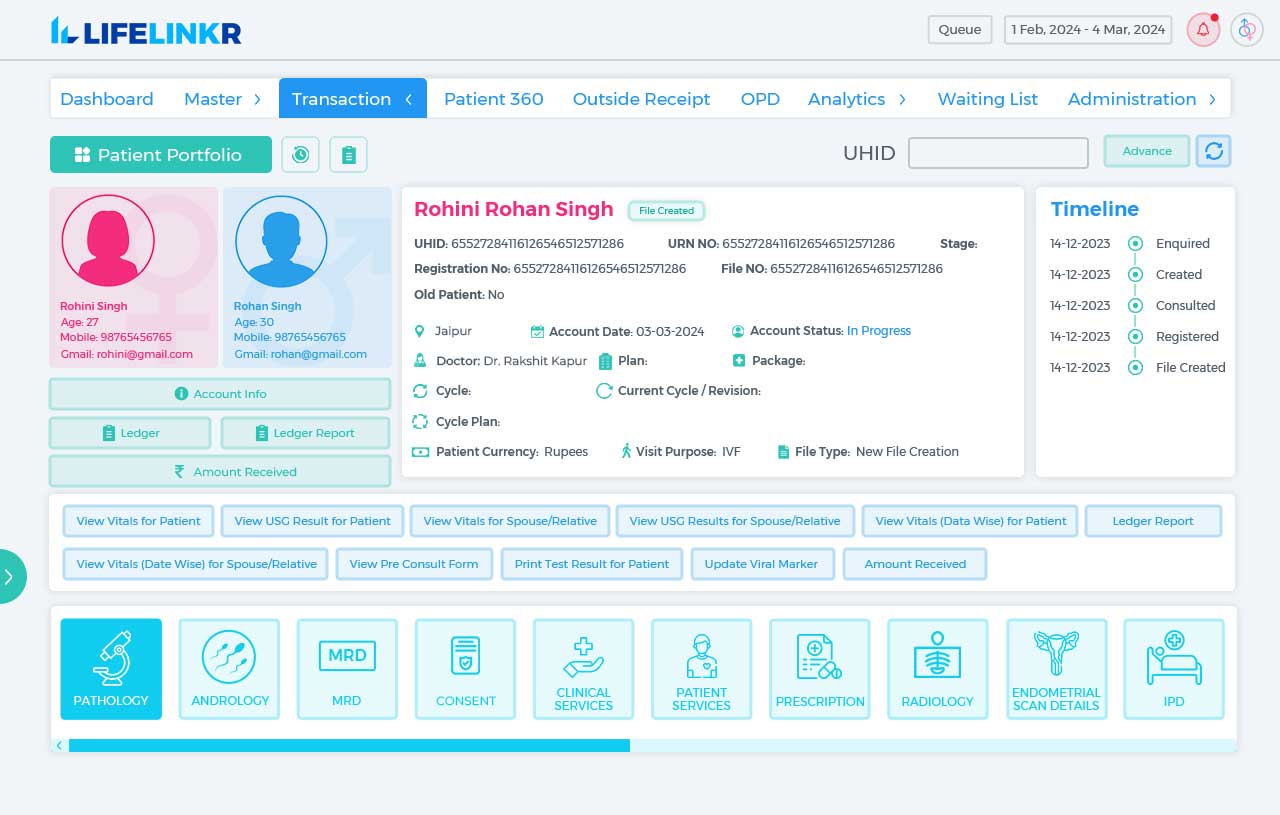
Modern fertility clinic platforms centralize every aspect of embryo transfer scheduling into one integrated system. Rather than relying on separate calendars, phone calls and paper notes, clinics can manage the entire workflow from a single dashboard.

These platforms link scheduling directly to clinical data such as hormone results, ultrasound findings and embryo grading. This means the system can flag when a patient is approaching her optimal transfer window and prompt the scheduling team to act promptly. The result is a faster, more responsive workflow that keeps pace with biological timelines.

Real Time Cycle Tracking and Calendar Sync

Clinic software tracks each patient’s cycle in real time, updating the schedule as monitoring results come in. When an ultrasound or blood test confirms endometrial readiness, the system can immediately flag the transfer window and synchronize the appointment with team calendars.

  • Automated cycle milestone notifications
  • Dynamic scheduling that adapts to clinical findings
  • Calendar sync across all team members
  • Visibility into available procedure slots

Team Coordination and Role-Based Access

Embryo transfer requires synchronized input from physicians, embryologists, nurses and administrative staff. Clinic software supports role-based access, so each team member sees the information relevant to their responsibilities without confusion or overlap.

The embryologist can confirm embryo availability and grade directly within the platform. The physician can view cycle data and approve the transfer plan. The nursing team can prepare pre-procedure checklists and patient instructions. All of this happens within one coordinated system, reducing the need for back-and-forth communication.

Informed consent is a mandatory step before any embryo transfer procedure. IVF software manages consent documentation digitally, ensuring that signed forms are collected, stored and accessible before the procedure date. The system can send automated reminders to patients and flag incomplete documentation for the clinical team.

Patient Communication and Reminders

Clear communication is essential during a transfer cycle. Clinic software automates appointment reminders, pre-procedure instructions and post-transfer follow-up messages. Patients receive timely updates through their preferred channel, whether email, SMS, or a patient portal, reducing anxiety and improving adherence to protocols.

EMR Integration and Data Continuity

Integration with electronic medical records ensures that scheduling data is connected to the patient’s full clinical history. Transfer dates, outcomes, medications and monitoring results are all stored in one place, supporting accurate reporting and continuity of care across future cycles.

What to Look for When Choosing a Platform?

  • Real time cycle tracking linked to scheduling
  • Multi-role coordination and access controls
  • Automated patient communication tools
  • Consent and documentation management
  • EMR integration and reporting capabilities
Why This Matters for Patients Too?

For patients going through IVF, the transfer procedure carries enormous emotional weight. Knowing that the clinic operates with a precise, organized system provides reassurance. When appointments are communicated clearly and instructions arrive on time, patients feel supported and confident in their care team.

Examples of Embryo Transfer Scheduling Features
Feature Function Benefit
Cycle milestone tracking Monitors readiness in real time Optimizes transfer timing
Calendar sync Coordinates team availability Prevents scheduling conflicts
Consent management Collects and stores approvals Ensures compliance
Patient reminders Sends automated notifications Improves adherence
FAQs
What is embryo transfer scheduling in clinic software?

It is the digital management of all planning, coordination and documentation involved in arranging and executing an embryo transfer procedure within a fertility clinic platform.

How does clinic software improve transfer timing?

By linking monitoring results directly to the scheduling system, the software can flag the optimal transfer window in real time and alert the clinical team immediately.

Can patients access their transfer schedule through the software?

Yes, most platforms include patient portals or automated communication tools that keep patients informed of their appointment dates, preparation instructions and follow-up plans.

Conclusion

Tracking embryo transfer scheduling within clinic software is no longer optional for fertility practices that want to deliver consistent, high-quality care. These systems bring together cycle data, team coordination, patient communication and documentation into one reliable platform. The result is a smoother experience for clinical staff and greater confidence for the patients who trust them with one of the most important moments of their lives.


PR & Marketing Manager at LifeLinkr, leading brand communication and strategic campaigns in the IVF industry to enhance engagement and drive impactful growth.