



Recording embryo development data within clinic software
Table of Contents
- Introduction
- Why Recording Embryo Development Data Matters
- Understanding Embryo Development Stages
- Structuring Embryo Development Data Capture
- Standardizing Embryo Grading and Classification
- Linking Embryo Data to Patient and Cycle Records
- Recording Data in Real Time
- Tracking Embryo Progress Over Time
- Supporting Clinical Decision Making
- Using Embryo Data for Reporting and Analysis
- Role of Clinic Software in Data Management
- Common Challenges in Recording Embryo Data
- Key Elements of Embryo Development Records
- FAQs
- Conclusion
Introduction
Embryo development is one of the most critical phases in fertility treatment. From fertilization to blastocyst formation, each stage provides valuable insights into embryo quality and treatment success. Accurate recording of embryo development data is essential for guiding clinical decisions and ensuring proper tracking throughout the treatment cycle.
Modern IVF software enables fertility clinics to capture, store and analyze embryo development data in structured formats. By organizing this information digitally, clinics can improve data accuracy, enhance coordination between laboratory and clinical teams, and support better treatment outcomes.
Why Recording Embryo Development Data Matters?
Embryo development data plays a central role in determining treatment outcomes. Clinicians rely on this information to select embryos for transfer, assess laboratory performance, and evaluate treatment success rates.
Key benefits of structured embryo data recording include:
- Accurate embryo selection for transfer
- Improved laboratory performance monitoring
- Better tracking of treatment cycles
- Enhanced reporting and research capabilities
- Increased transparency in clinical decision making
Reliable data supports consistent and high quality care.
Understanding Embryo Development Stages
Embryo development follows a series of stages after fertilization. Each stage provides specific data points that must be recorded accurately.
Common stages include:
- Fertilization confirmation
- Cleavage stage development
- Morula stage
- Blastocyst formation
Recording observations at each stage helps clinicians evaluate embryo viability and progression.
Structuring Embryo Development Data Capture
Structured data capture ensures that embryo development information is recorded consistently. Instead of relying on free text notes, clinic systems use predefined fields and formats.
Structured data fields may include:
- Embryo identification numbers
- Development stage timestamps
- Morphology observations
- Laboratory conditions
Consistent data capture improves accuracy and enables analysis.
Standardizing Embryo Grading and Classification
Embryo grading systems help classify embryo quality based on morphology and development stage. Standardizing grading criteria ensures that data is consistent across different cases and clinicians.
Standardized grading allows clinics to:
- Compare embryo quality across cycles
- Support clinical decision making
- Improve reporting accuracy
Consistency in grading enhances data reliability.
Linking Embryo Data to Patient and Cycle Records
Embryo data should be linked directly to patient records and treatment cycles. This ensures that all laboratory information is connected to the broader treatment context.
Linking data allows clinics to:
- Track embryo outcomes within each cycle
- Maintain complete patient histories
- Support long term analysis
Integrated records improve data accessibility.
Recording Data in Real Time
Real time data entry is essential in embryology workflows. Recording observations immediately reduces the risk of errors and ensures that information remains accurate.
Real time recording helps:
- Maintain data accuracy
- Support timely clinical decisions
- Improve workflow efficiency
Timely updates are critical in fast paced laboratory environments.
Tracking Embryo Progress Over Time
Tracking embryo development over time allows clinics to monitor progression and identify patterns. Longitudinal tracking provides insights into embryo growth and viability.
This helps clinicians evaluate treatment effectiveness and adjust protocols when needed.
Supporting Clinical Decision Making
Embryo development data directly influences clinical decisions such as embryo selection and transfer timing. Structured data allows clinicians to review all relevant information quickly and make informed choices.
Better data leads to better outcomes.
Using Embryo Data for Reporting and Analysis
Structured embryo data supports reporting and performance analysis. Clinics can generate reports on:
- Embryo development rates
- Success rates by embryo grade
- Laboratory performance metrics
These insights help improve clinical and laboratory processes.
Role of Clinic Software in Data Management
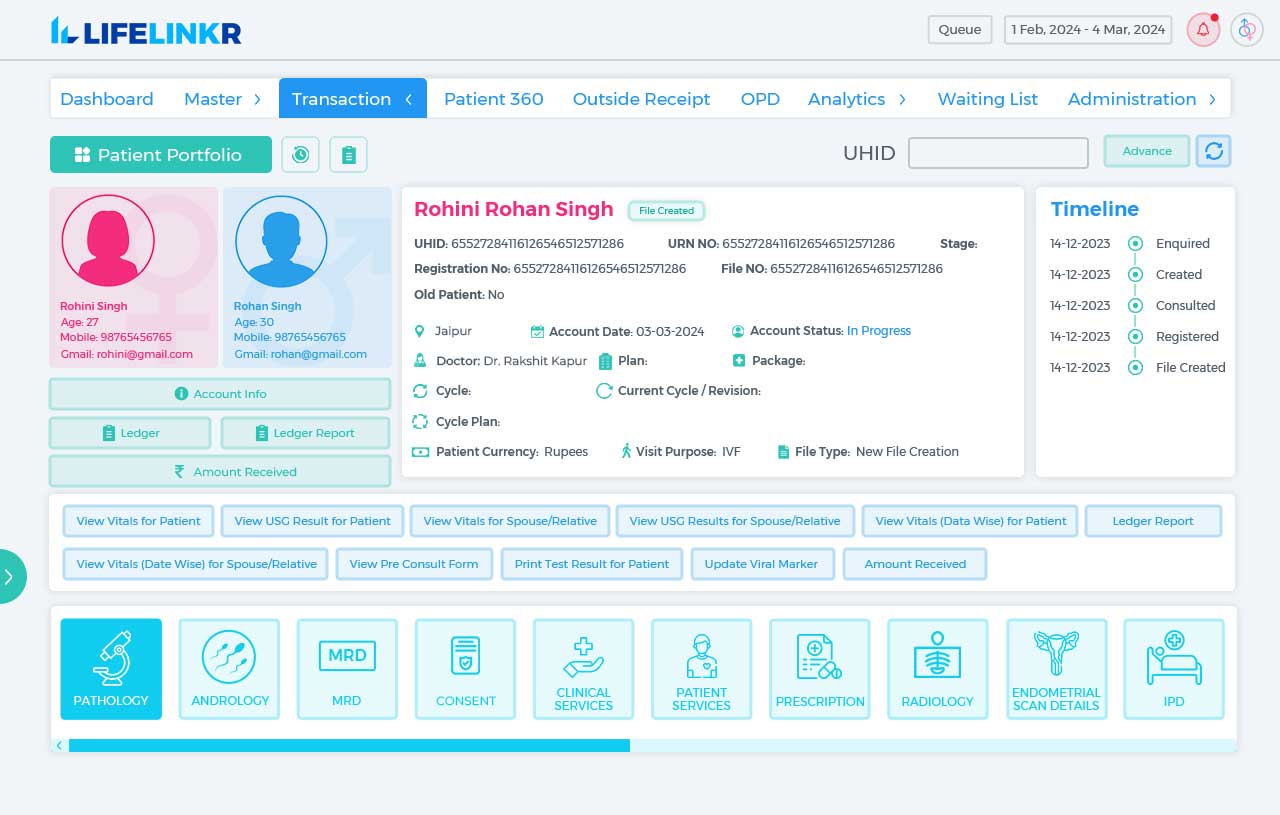
Clinic software platforms provide tools for recording and managing embryo development data. These systems use structured templates, validation rules, and integrated workflows to ensure accurate data entry.
Digital systems help clinics maintain consistent records while supporting efficient data retrieval and analysis.
Common Challenges in Recording Embryo Data
Clinics may face challenges when recording embryo development data, including:
- Inconsistent grading standards
- Manual data entry errors
- Incomplete documentation
- Difficulty linking lab data to patient records
Addressing these challenges requires structured systems and standardized processes.
Key Elements of Embryo Development Records
| Data Element | Purpose | Benefit |
|---|---|---|
| Embryo ID | Unique identification | Accurate tracking |
| Development stage | Track embryo progression | Clear growth monitoring |
| Grading score | Assess quality | Better selection decisions |
| Time stamps | Record development timing | Precise analysis |
| Cycle linkage | Connect to treatment cycle | Complete patient records |
FAQs
Why is embryo development data important?
It helps clinicians evaluate embryo quality and make informed treatment decisions.
How does structured data improve embryo tracking?
Structured data ensures consistent recording, making it easier to analyze and compare results.
Can clinic software improve data accuracy?
Yes. Digital systems reduce manual errors and ensure standardized documentation.
Conclusion
Recording embryo development data within clinic software is essential for ensuring accurate tracking, informed decision making and improved treatment outcomes. By structuring data capture, standardizing grading systems and integrating laboratory information with patient records, clinics can enhance both clinical efficiency and data reliability. As fertility care continues to evolve, effective embryo data management will remain a key component of high quality treatment delivery.