


System Configuration Best Practices for Fertility Clinics
Table of Contents
- Introduction
- Why System Configuration Matters in Fertility Clinics
- Standardizing Core System Settings
- Configuring User Roles and Permissions
- Aligning System Configuration with Clinical Workflows
- Designing Structured Data Fields
- Configuring Automation for Routine Tasks
- Managing Third Party Integrations
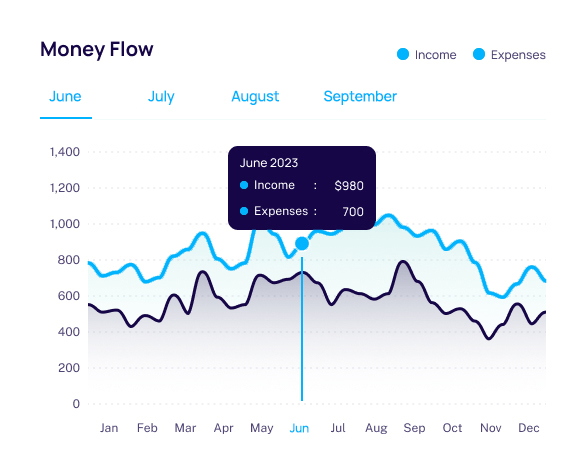
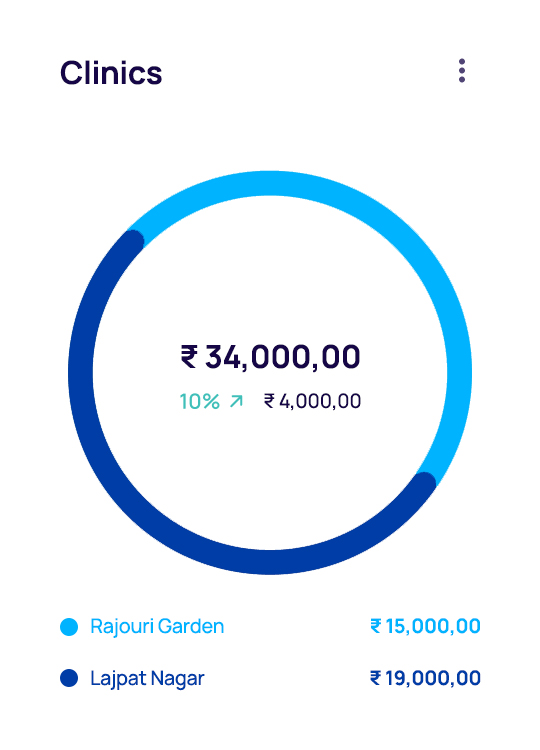
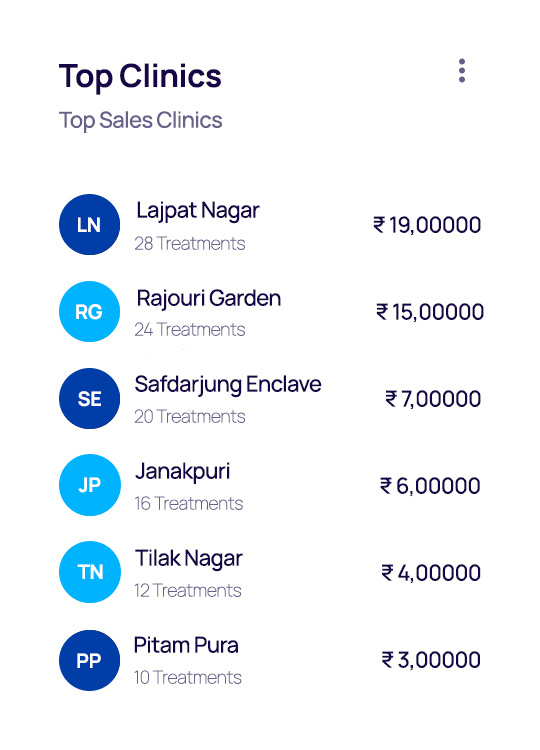
- Configuring Reporting and Analytics
- Security Configuration and Compliance
- Preparing System Configuration for Clinic Growth
- Common Configuration Mistakes in Fertility Clinics
- System Configuration Best Practices Overview
- FAQs
- Conclusion
Introduction
Modern fertility clinics rely heavily on digital platforms to manage clinical, laboratory, and administrative processes. From patient registration and treatment planning to embryo tracking and billing management, IVF software supports nearly every stage of care delivery.
However, the effectiveness of these platforms does not depend only on the features they offer. It depends on how well the system is configured to match the clinic’s operational structure and clinical workflows.
System configuration refers to how software settings, permissions, data fields, workflows, and integrations are structured within a clinic environment. When configured properly, technology platforms can streamline operations, improve data accuracy, and enhance patient care coordination.
Poor configuration, on the other hand, can create confusion, inconsistent data entry, reporting inaccuracies, and even security risks. Fertility clinics that invest time in thoughtful system configuration ensure that their IVF software supports daily operations efficiently while remaining secure and scalable.
Why System Configuration Matters in Fertility Clinics?
Fertility clinics operate with complex multidisciplinary workflows. Doctors, embryologists, nurses, administrative teams, and finance staff all rely on shared systems. Each role requires access to different functions and information.
Proper system configuration helps clinics:
- Maintain consistent clinical documentation
- Improve operational efficiency
- Ensure regulatory compliance
- Reduce administrative errors
- Enable accurate reporting
Without thoughtful configuration, even powerful software platforms can become difficult to manage.
Standardizing Core System Settings
Consistency is one of the most important principles of system configuration. When clinics standardize core settings, staff members can enter and retrieve information more easily.
Examples of standardized configuration settings include:
-
Treatment protocol naming conventions
-
Cycle stage definitions
-
Laboratory procedure terminology
-
Appointment categories
-
Billing and service classifications
Standardized settings ensure that everyone records information using the same format. This consistency improves communication between departments and ensures that reports generated by the system remain accurate.
For example, if cycle statuses are defined differently by different users, reporting on treatment progress becomes unreliable. Standardized system configuration eliminates this risk.
Configuring User Roles and Permissions
Role based permissions are a fundamental part of system configuration. Each staff role should have access only to the information necessary for their responsibilities.
Examples include:
- Physicians accessing treatment plans and patient records
- Embryologists accessing laboratory and embryo tracking data
- Administrative teams managing scheduling and intake
- Finance teams managing billing information
Carefully defined permissions protect sensitive data while maintaining efficient collaboration.
Aligning System Configuration with Clinical Workflows
Technology systems should reflect real clinical processes. When configuration aligns with workflow steps, staff can move through tasks smoothly.
Examples include:
- Cycle initiation workflows
- Medication tracking processes
- Laboratory procedure documentation
- Patient follow up reminders
Workflow aligned configuration reduces manual work and minimizes errors.
Designing Structured Data Fields
Structured data fields improve reporting and analytics capabilities. Instead of relying on free text entries, systems should use predefined fields for important clinical variables.
Benefits include:
- Improved data accuracy
- Better outcome analysis
- Faster reporting generation
- Consistent documentation
Structured fields make data easier to analyze over time.
Configuring Automation for Routine Tasks
Automation features can reduce administrative workload. Clinics should configure automated processes for tasks such as:
- Appointment reminders
- Follow up notifications
- Billing alerts
- Cycle milestone tracking
Automation helps staff focus on patient care rather than repetitive administrative work.
Managing Third Party Integrations
Fertility clinics often use multiple digital tools alongside their primary IVF software platform. These may include:
-
Laboratory equipment systems
-
Payment processing platforms
-
Communication and messaging tools
-
Insurance and billing software
Proper configuration of integrations ensures that data flows smoothly between systems.
Secure API connections and standardized data formats allow information to move automatically without manual duplication.
This improves efficiency while reducing the risk of transcription errors.
Configuring Reporting and Analytics
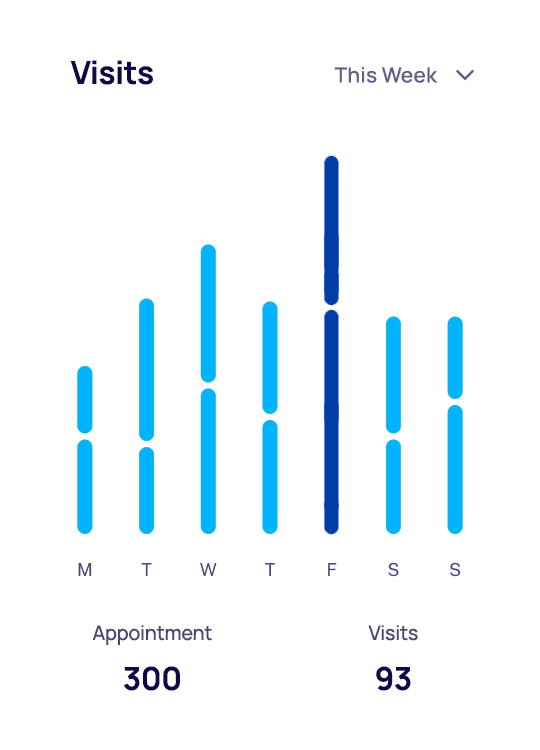
System configuration should support meaningful reporting. Clinics often track metrics such as:
- Cycle success rates
- Patient volume trends
- Laboratory performance metrics
- Revenue performance
Preconfigured dashboards and reporting templates allow leadership to monitor clinic performance easily.
Security Configuration and Compliance
Security settings must be carefully configured to protect patient data. Important elements include:
- Secure authentication methods
- Role based access permissions
- Encryption settings
- Audit logging
Strong security configuration supports compliance with healthcare regulations.
Preparing System Configuration for Clinic Growth
Fertility clinics often expand in patient volume or open additional locations. System configuration should anticipate future growth by supporting:
- Multi location access
- Scalable infrastructure
- Expanded reporting capabilities
- Additional staff roles
Scalable configuration prevents major system restructuring later.
Common Configuration Mistakes in Fertility Clinics
Some common mistakes include:
- Allowing inconsistent naming conventions
- Over granting administrative permissions
- Failing to standardize data fields
- Ignoring reporting requirements during configuration
Addressing these issues early improves long term system performance.
System Configuration Best Practices Overview
| Configuration Area | Best Practice | Operational Benefit |
|---|---|---|
| User permissions | Role based access controls | Improved data security |
| Workflow design | Align system with clinical processes | Reduced administrative workload |
| Data structure | Use standardized data fields | Better reporting and analytics |
| Automation | Configure reminders and alerts | Improved patient communication |
| Integrations | Use secure APIs | Efficient data exchange |
FAQs
Why is system configuration important for fertility clinics?
Proper configuration ensures that software systems align with clinical workflows while maintaining security, efficiency, and reliable reporting.
How often should system configuration be reviewed?
Clinics should review configuration settings periodically, especially when introducing new workflows, expanding teams, or upgrading technology platforms.
Can poor configuration affect patient experience?
Yes. Poor configuration can cause scheduling issues, documentation delays, and communication gaps that negatively impact patient experience.
Conclusion
System configuration plays a crucial role in the effectiveness of technology platforms used in fertility clinics. Even the most advanced software requires thoughtful setup to support real clinical workflows.
When systems are properly configured, they improve operational efficiency, ensure consistent documentation, strengthen data security, and enable meaningful reporting. Clinics that invest in strong configuration practices reduce operational complexity and build a reliable digital foundation for growth.
In modern fertility care, well-configured technology is not just a convenience. It is essential infrastructure that supports both clinical excellence and positive patient experiences.