
Data Analytics: Scalable Insights to Drive Better Decisions

Data Analytics: Scalable Insights to Drive Better Decisions
Table of Contents

Introduction

Data Analytics has revolutionized how organizations make decisions, providing scalable insights that improve outcomes across industries including retail, finance and healthcare. By analyzing trends, predicting customer behavior, optimizing operations and uncovering hidden opportunities, businesses can act on data effectively, transforming information into a strategic advantage for growth and competitiveness.

Modern enterprises combine structured and unstructured data, creating continuous and scalable analytics processes. Real-time dashboards, predictive models and visualization tools enable proactive decision-making, rather than reactive responses. In competitive markets, data-driven strategies empower organizations to outperform rivals, enhance efficiency and make informed decisions that drive operational success, customer satisfaction and long-term sustainable growth consistently.

Understanding Data Analytics

Data Analytics is a structured process for examining datasets to uncover meaningful insights. It includes collecting, cleaning, analyzing and interpreting information to enable actionable decisions. Organizations increasingly rely on analytics to drive strategic initiatives, improve customer engagement, optimize internal workflows and ensure that operational and business decisions are informed and precise.

There are several types of data analytics, each serving distinct purposes. Descriptive analytics summarizes historical data, diagnostic analytics explains trends, predictive analytics forecasts future outcomes and prescriptive analytics recommends optimal actions. Understanding and integrating these types allows organizations to extract deeper insights, scale analytics efficiently and leverage data for improved performance, growth and decision-making success.

Analytics Type Purpose Example Usage
Descriptive Summarizes past performance Monthly sales reports
Diagnostic Identifies causes of patterns Customer churn analysis
Predictive Forecasts future outcomes Demand prediction for products
Prescriptive Suggests optimal actions Resource allocation

Benefits of Data Analytics for Businesses

Data Analytics empowers organizations to turn information into a strategic advantage. By examining customer behavior and patterns, businesses can personalize offerings, enhance satisfaction and boost retention. Operational efficiency improves as analytics identifies workflow bottlenecks, optimizes processes, reduces costs and provides actionable insights that drive smarter, more informed and scalable business decisions consistently.

Marketing initiatives gain precision through analytics by enabling targeted campaigns based on engagement, behavior and segmentation. Financial planning improves as predictive models forecast revenue, assess risks and guide investment strategies. Overall, data-driven insights foster evidence-based decision-making, support sustainable growth and allow organizations to anticipate trends, respond proactively and maintain competitiveness across dynamic and evolving business environments.

Improved Decision-Making:
Data Analytics enables organizations to make informed decisions by revealing patterns, trends and insights from raw data. Evidence-based strategies optimize operations, resource allocation and strategic planning, reducing risks and improving outcomes across marketing, finance, operations and overall business growth efficiently and reliably.

Enhanced Customer Experience:
Analytics provides a deep understanding of customer behavior, preferences and engagement. Businesses can personalize offerings, improve communication and deliver targeted services or products. This leads to higher satisfaction, increased loyalty and better retention rates while strengthening brand reputation and customer relationships consistently.

Operational Efficiency:
Data Analytics identifies inefficiencies, bottlenecks and redundant processes within business operations. By optimizing workflows, improving resource utilization and streamlining processes, organizations reduce costs, save time and maximize productivity, resulting in better performance and increased profitability across departments and functions systematically.

Targeted Marketing Strategies:
Analytics allows businesses to segment audiences, analyze engagement and predict trends. Marketing campaigns can be personalized and optimized based on insights, resulting in higher conversion rates, reduced marketing spend, better ROI and more effective promotion of products or services to the right audience efficiently.

Risk Management and Forecasting:
By analyzing historical and real-time data, businesses can identify potential risks, predict market fluctuations and make proactive decisions. Predictive analytics supports financial planning, demand forecasting and operational readiness, enabling organizations to mitigate risks, reduce losses and maintain competitive advantage effectively.

Scalable Insights Through Modern Tools

Modern tools like cloud platforms, AI and machine learning enable scalable insights, allowing organizations to process vast datasets efficiently. Data visualization platforms turn complex information into intuitive dashboards, supporting executives in real-time decision-making. Scalability ensures that analytics frameworks grow with organizational needs, handling increasing data volumes seamlessly.

Automation in data analytics reduces manual errors, accelerates processing and improves the quality of insights. Predictive models adapt to changing conditions, providing foresight into market trends, operational challenges and customer behavior. This capability transforms decision-making into a proactive rather than reactive process.

Cloud Platforms for Scalability:
Cloud-based platforms enable organizations to store, process and access large volumes of data efficiently. These platforms provide flexibility, on-demand resources and scalability, allowing businesses to expand analytics capabilities without significant infrastructure investment, ensuring continuous, reliable and cost-effective data management.

AI-Driven Analytics:
Artificial Intelligence enhances data analytics by identifying patterns, predicting trends and providing actionable insights. AI algorithms process complex datasets faster than traditional methods, enabling organizations to make accurate, data-driven decisions, optimize performance and maintain a competitive edge in dynamic business environments effectively.

Machine Learning Integration:
Machine learning algorithms automatically analyze historical and real-time data to detect patterns and predict outcomes. Integrating machine learning with analytics tools helps organizations scale insights, improve operational efficiency, enhance forecasting accuracy and drive smarter decision-making across multiple functions reliably and efficiently.

Visualization Tools:
Data visualization platforms transform complex datasets into clear, interactive dashboards and reports. Visual analytics allows stakeholders to interpret trends and insights quickly, supporting timely decision-making, improving communication across teams and enabling organizations to act proactively based on scalable and understandable information effectively.

Automation in Analytics:
Automated analytics processes reduce manual tasks, minimize errors and accelerate data processing. By automating repetitive workflows, organizations can handle larger datasets efficiently, ensure consistent accuracy, generate actionable insights faster and enable data-driven strategies to scale effectively across departments and operations.

Data Analytics in Healthcare and Fertility Clinics

Healthcare organizations leverage data analytics to enhance patient outcomes, streamline operations and reduce costs effectively. In fertility clinics, analytics helps track patient history, monitor treatment success rates and optimize resource allocation. By analyzing IVF trends, clinicians can personalize protocols, improve care quality and elevate overall patient satisfaction efficiently.

Predictive analytics allows fertility clinics to anticipate patient demand, manage laboratory inventory and optimize appointment scheduling. Data-driven insights support informed clinical decisions, enhance treatment efficiency and ensure compliance with regulatory standards. Adoption of digital tools and specialized software enables clinics to fully utilize analytics, improving operational performance while delivering precise, timely and high-quality patient care consistently.

Application Benefit Example Usage
Patient History Analysis Tailored treatment plans IVF protocol customization
Success Rate Tracking Optimized clinical decisions Monitoring embryo implantation trends
Resource Allocation Efficient use of lab and staff Equipment scheduling
Predictive Forecasting Anticipate patient needs IVF appointment planning
Regulatory Compliance Maintain quality standards Reporting and audit readiness

Implementation Challenges and Solutions

Implementing data analytics presents challenges including poor data quality, fragmented systems and lack of skilled personnel. Organizations need a structured strategy for analytics adoption, focusing on clean data management, scalable infrastructure and trained teams. Proper planning ensures insights are accurate, reliable and actionable, supporting growth and informed decision-making effectively.

Data governance frameworks maintain data integrity, security and privacy while ensuring compliance with regulations. Training employees in analytics tools and promoting a data-driven culture increases adoption across departments. Leveraging cloud platforms and modern software reduces integration issues, enhances scalability and enables seamless deployment of analytics solutions, allowing organizations to derive maximum value from their data investments.

Challenge Solution Example Approach
Data Quality Data cleaning and validation Automated data pipelines
Legacy System Integration Middleware or cloud migration API-based integration
Skill Gaps Training programs and workshops Employee upskilling
Governance & Compliance Policies, audits and security measures HIPAA compliance in healthcare
Scalability Cloud infrastructure and modular tools Scalable dashboards
Conclusion

Data Analytics enables organizations to transform raw data into actionable insights, improving decision-making across industries. Businesses achieve scalability, operational efficiency and enhanced strategic planning by leveraging real-time analytics, predictive modeling and visualization tools. Insights from analytics allow leaders to make proactive choices, optimize resources and anticipate market or patient trends effectively.

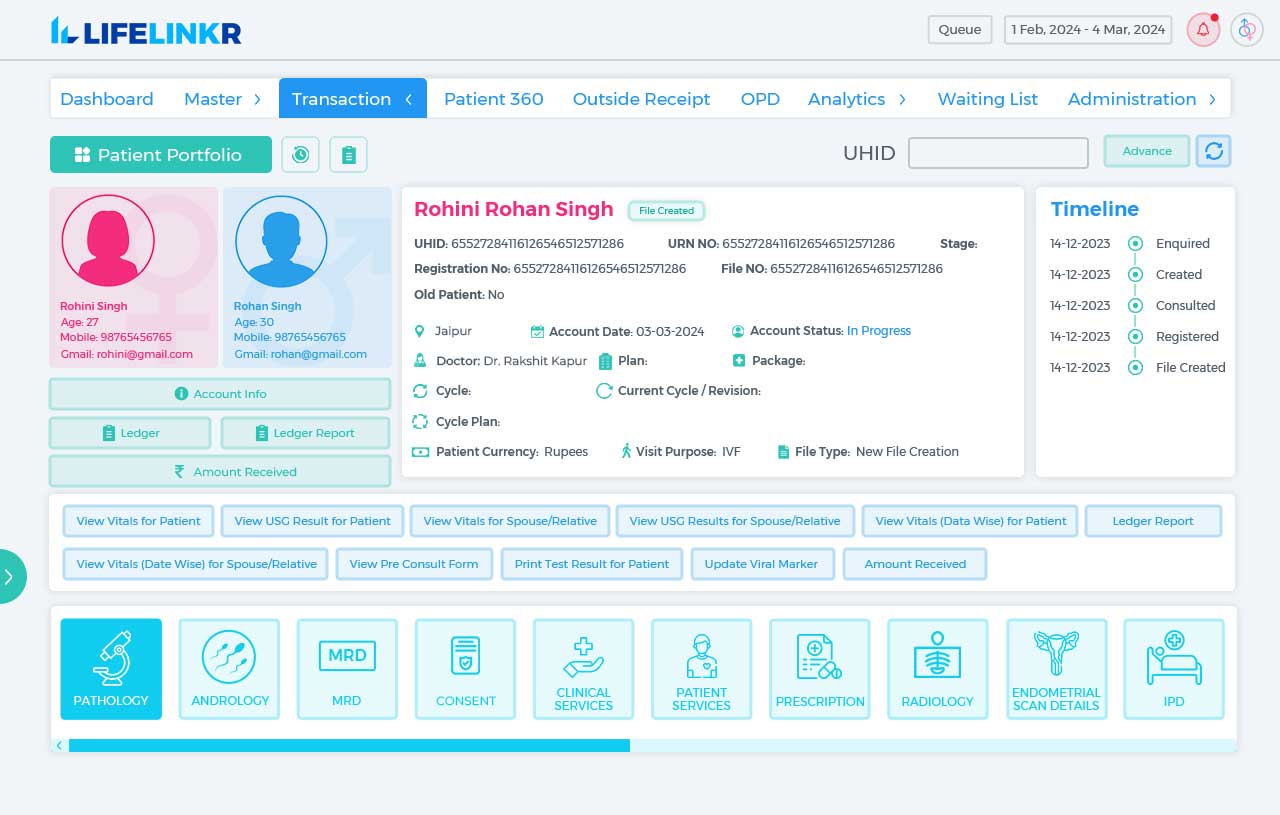
Fertility clinics benefit significantly from data-driven insights through modern Fertility Clinic Software. Analytics helps monitor patient history, track IVF success rates and optimize treatment protocols. By integrating scalable analytics platforms, clinics enhance personalized care, improve operational efficiency and ensure compliance with standards. Fertility Clinic Software consolidates data, empowering clinics to make informed, precise and timely decisions.

Frequently Asked Questions
How does Data Analytics improve decision-making in businesses?

Data Analytics helps businesses transform raw data into actionable insights, revealing patterns, trends and customer behavior. This enables informed strategic planning, efficient resource allocation and operational improvements, allowing organizations to make accurate, evidence-based decisions that drive growth and enhance competitiveness.

What role does Data Analytics play in healthcare?

In healthcare, Data Analytics monitors patient outcomes, predicts treatment success and optimizes resources. It supports personalized care, improves operational efficiency, identifies trends and ensures compliance with regulations, enabling providers to make informed clinical decisions that enhance patient experience and overall healthcare quality.

How can fertility clinics benefit from Data Analytics?

Fertility clinics use Data Analytics to track patient history, IVF success rates and treatment outcomes. Insights from analytics help personalize care, schedule appointments efficiently, optimize lab resources and improve clinical decisions, ultimately enhancing patient satisfaction and increasing the success of fertility treatments.

What challenges do organizations face in implementing Data Analytics?

Organizations face challenges like poor data quality, legacy system integration issues, skill shortages and governance concerns. Overcoming these requires structured strategies, employee training, modern software solutions, scalable infrastructure and clear data policies to ensure effective analytics adoption and actionable insights.

Why is Fertility Clinic Software important in data-driven care?

Fertility Clinic Software integrates analytics tools to streamline operations, monitor patient outcomes and optimize treatments. It provides actionable insights, improves decision-making, ensures regulatory compliance, enhances patient care and helps clinics efficiently manage resources while delivering personalized, data-driven fertility solutions.

PR & Marketing Manager at LifeLinkr, leading brand communication and strategic campaigns in the IVF industry to enhance engagement and drive impactful growth.