



Infertility treatment: Proven IVF Success and Personal Care

Infertility treatment: Proven IVF Success and Personal Care
Table of Contents

Introduction

Infertility treatment has become an essential aspect of reproductive healthcare, offering hope to individuals and couples facing conception challenges. Medical innovation, ethical practices and patient focused care have transformed fertility services into structured systems that prioritize outcomes and emotional wellbeing across every stage of treatment.

Infertility treatment today emphasizes transparency, accuracy and personalization. Fertility clinics combine diagnostic expertise with advanced reproductive techniques to improve success rates. With growing awareness and acceptance, patients now seek reliable infertility treatment supported by technology, compassionate counseling and consistent clinical guidance.

Understanding Infertility treatment

Infertility treatment refers to medical and clinical interventions designed to help individuals unable to conceive naturally. These treatments address male and female reproductive concerns through diagnostic testing, hormonal regulation and assisted reproductive techniques. Care plans are tailored to patient specific needs, ensuring safe, effective and personalized infertility treatment outcomes.

Understanding infertility treatment enables patients to make informed and confident decisions. Fertility specialists evaluate reproductive health data, identify underlying causes and recommend evidence based solutions. This structured approach improves treatment accuracy, minimizes unnecessary procedures and supports better long term reproductive outcomes while enhancing trust throughout the infertility treatment journey.

Element Details
Definition Medical fertility care
Target Male and female factors
Diagnostics Hormonal and imaging tests
Planning Customized treatment paths
Monitoring Continuous evaluation
Goal Successful conception

Common Causes of Infertility

Infertility can arise from multiple biological and lifestyle factors that affect reproductive health. Common causes include ovulation disorders, hormonal imbalance, tubal blockage, sperm motility issues and age related decline. Identifying these factors is essential for selecting appropriate and effective infertility treatment strategies that improve the chances of successful conception.

Accurate diagnosis is the foundation of effective infertility treatment. Fertility clinics perform hormone testing, ultrasound imaging and semen analysis to detect reproductive challenges. Understanding the underlying cause allows specialists to design targeted, evidence based interventions, improving treatment outcomes, enhancing patient confidence and providing a structured pathway toward successful conception during the infertility treatment journey.

Category Example
Female Factors Ovulation disorders
Male Factors Low sperm quality
Hormonal Imbalance issues
Structural Tubal blockage
Lifestyle Stress and habits
Unexplained Unknown causes

Modern Infertility treatment Options

Modern infertility treatment includes a wide range of options, from medication based therapies to advanced assisted reproductive technologies. Treatment selection depends on diagnosis, age, fertility history and response to earlier interventions. Clinics aim to balance effectiveness with patient safety.

Advancements in infertility treatment allow clinicians to personalize care plans. Structured protocols, real time monitoring and outcome analysis ensure timely adjustments. This approach improves success rates while reducing physical and emotional strain on patients undergoing fertility treatment.

Treatment Type Description
Medication Ovulation support
IUI Assisted insemination
IVF Lab fertilization
ICSI Advanced fertilization
Cryopreservation Embryo storage
Monitoring Cycle tracking

IVF as a Proven Infertility treatment

IVF is one of the most effective infertility treatment options for complex reproductive challenges. The process involves fertilizing eggs in a laboratory and transferring embryos into the uterus. IVF offers controlled conditions that increase the likelihood of successful implantation.

Continuous improvements in IVF technology have enhanced treatment outcomes. Fertility clinics use precise embryo selection, optimized lab environments and detailed outcome tracking. These advancements make IVF a trusted infertility treatment for patients seeking reliable fertility solutions.

Stage Purpose
Stimulation Egg development
Retrieval Egg collection
Fertilization Embryo creation
Culture Embryo growth
Transfer Uterine placement
Support Luteal phase care

Personalized Care in Fertility Clinics

Personalized care is a critical component of successful infertility treatment. Each patient receives a tailored treatment plan based on diagnosis, medical history and emotional needs. This approach improves treatment adherence and enhances patient satisfaction.

Fertility clinics that focus on personalized care foster trust and transparency. Clear communication, emotional counseling and continuity of care help patients navigate infertility treatment with confidence and realistic expectations.

Aspect Benefit
Custom Plans Better outcomes
Communication Patient confidence
Monitoring Timely adjustments
Support Emotional stability
Education Informed decisions
Continuity Consistent care

Role of Technology in Infertility treatment

Technology has transformed infertility treatment delivery. Digital systems support accurate data management, appointment scheduling and seamless coordination between fertility specialists and laboratory teams. Automation reduces errors and improves workflow efficiency.

Advanced analytics enable fertility clinics to monitor treatment progress and predict outcomes. Technology driven insights support evidence based decisions, improve regulatory compliance and enhance overall quality of infertility treatment services.

Technology Area Function
Data Systems Record accuracy
Scheduling Workflow efficiency
Analytics Outcome tracking
Automation Error reduction
Integration Team coordination
Security Data protection

Success Rates and Outcome Tracking

Success rates serve as a vital indicator of infertility treatment effectiveness. Fertility clinics track outcomes including embryo quality, implantation success and live birth rates to evaluate performance. Transparent reporting helps patients understand expectations, make informed decisions and build trust in the clinic while navigating their infertility treatment journey.

Analyzing treatment outcomes also enhances infertility care quality. Clinics review historical data to refine protocols, optimize medication dosages and improve laboratory processes. Consistent tracking ensures accountability, supports evidence-based improvements and helps fertility specialists maintain high standards, ultimately increasing the likelihood of successful conception and delivering reliable, patient-centered infertility treatment outcomes.

Metric Purpose
Implantation Rate Measure embryo success
Pregnancy Rate Track cycle outcomes
Live Birth Rate Final success indicator
Cycle Review Performance evaluation
Data Reporting Patient transparency
Quality Control Protocol improvement

Choosing the Right Fertility Clinic

Choosing the right fertility clinic is critical for successful infertility treatment. Patients should evaluate clinical expertise, laboratory standards, treatment transparency and available support services. These factors directly affect safety, outcomes and overall satisfaction. Selecting a reputable clinic ensures access to reliable care and improves the chances of achieving fertility goals.

A well established fertility clinic combines medical excellence with ethical practices and patient centered care. Integrated care models, digital record management and experienced specialists provide consistent, high quality infertility treatment. This approach enhances patient confidence, ensures smooth treatment delivery and supports a positive and supportive experience throughout the fertility care journey.

Criteria Importance
Experience Clinical expertise
Laboratory Quality standards
Technology Treatment accuracy
Transparency Trust building
Support Patient comfort
Outcomes Proven results

Cost Transparency and Treatment Planning

Cost transparency plays a vital role in infertility treatment planning. Clear pricing structures allow patients to manage finances effectively, reduce stress and make informed decisions. Transparent communication about treatment costs builds confidence, supports trust and ensures that patients feel secure while navigating complex infertility treatment cycles and medical procedures.

Modern fertility clinics provide digital cost estimates and customized treatment packages to simplify financial planning. These systems help patients understand expenses, compare options and plan their fertility journey efficiently. By offering clear, accessible pricing information, clinics strengthen patient trust, encourage informed decision making and support a smooth, stress-free infertility treatment experience.

Cost Element Description
Consultation Initial evaluation
Diagnostics Testing expenses
Procedures Treatment costs
Medication Hormonal therapy
Packages Bundled pricing
Payment Financial planning

Emotional Support During Infertility treatment

Infertility treatment can be emotionally demanding for patients and families, affecting mental health and decision making. Emotional stress may influence treatment adherence and overall wellbeing. Comprehensive fertility care recognizes these challenges by incorporating mental health support, helping patients manage anxiety, uncertainty and emotional strain throughout the infertility treatment journey.

Fertility clinics now integrate counseling services and patient education programs to support emotional wellbeing. Structured guidance improves resilience, strengthens patient confidence and promotes informed participation in care. Emotional support enhances trust, encourages consistency in treatment and contributes to a more positive and balanced infertility treatment experience for patients.

Support Area Benefit
Counseling Stress reduction
Education Clarity and awareness
Communication Emotional reassurance
Peer Support Shared experiences
Monitoring Mental wellbeing
Guidance Emotional stability

The future of infertility treatment centers on precision medicine and predictive analytics to enhance clinical accuracy. Advanced diagnostics and AI driven tools help specialists personalize treatment plans, improve success rates and reduce treatment duration. These innovations minimize physical burden while ensuring safer, more effective infertility treatment outcomes for patients.

Digital transformation will continue reshaping fertility clinics through smarter data utilization and scalable platforms. Enhanced data insights support personalized protocols, efficient workflows and consistent care delivery. Technology driven systems enable fertility clinics to adapt to growing demand while maintaining quality, transparency and long term sustainability in infertility treatment services.

Trend Impact
AI Diagnostics Improved accuracy
Predictive Analytics Better outcomes
Precision Medicine Personalized care
Automation Efficiency gains
Digital Platforms Scalable services
Innovation Higher success
Conclusion

Infertility treatment has evolved into a comprehensive care model that combines medical expertise, emotional support and digital innovation. Accurate diagnosis, personalized planning and continuous outcome tracking are critical for achieving consistent fertility success and improving patient satisfaction across every stage of the infertility treatment journey.

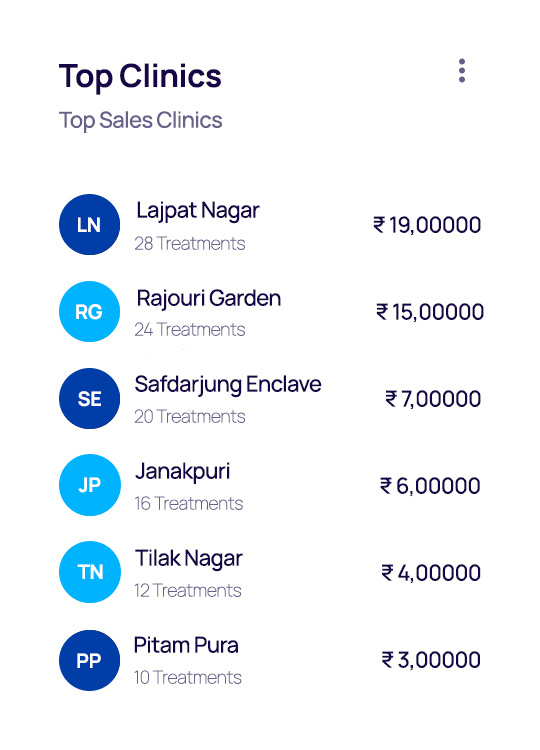
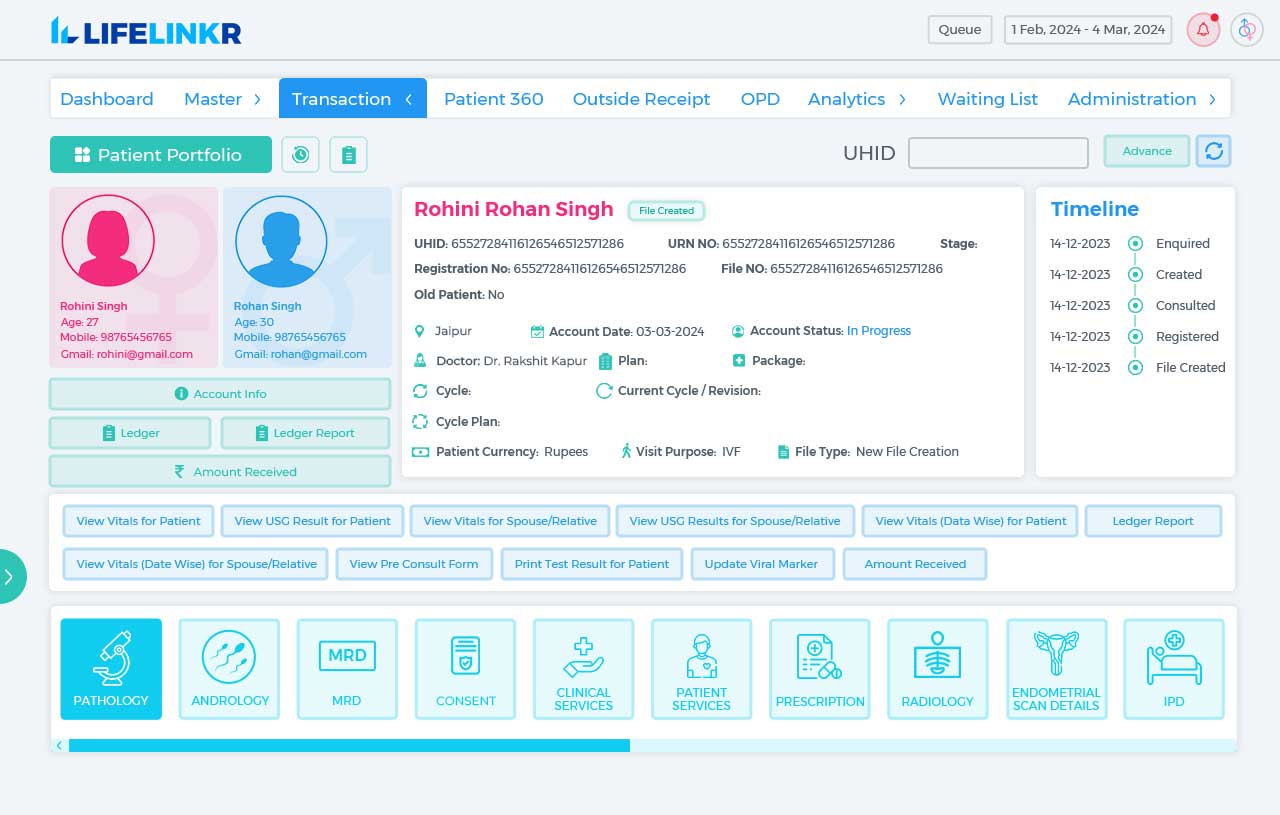
Modern fertility clinics increasingly depend on Fertility clinic software to manage patient records, schedule treatments and ensure regulatory compliance. This software streamlines laboratory workflows, improves data accuracy and enables coordinated care, allowing clinics to deliver high quality, efficient and reliable infertility treatment services while enhancing operational efficiency and overall patient experience.

Frequently Asked Questions
What is the most effective infertility treatment?

IVF is considered one of the most effective infertility treatment options, especially for complex reproductive challenges, as it allows controlled fertilization, precise embryo selection and continuous monitoring, improving implantation success and overall pregnancy outcomes for many patients.

How long does infertility treatment usually take?

Infertility treatment duration varies depending on diagnosis and response to therapy, but most IVF cycles take several weeks, including preparation, stimulation, fertilization and embryo transfer, followed by monitoring to confirm pregnancy outcomes.

Is infertility treatment safe?

Infertility treatment is generally safe when performed by experienced specialists, following established clinical protocols, with careful monitoring, controlled medication use and adherence to safety standards that minimize risks and protect patient health.

Can lifestyle changes improve infertility treatment outcomes?

Healthy lifestyle changes such as balanced nutrition, stress management, medical adherence and avoiding harmful habits can support infertility treatment outcomes by improving hormonal balance, overall health and treatment responsiveness during fertility care.

How does technology improve infertility treatment success?

Technology improves infertility treatment success by enhancing data accuracy, enabling outcome tracking, supporting clinical coordination, reducing errors and allowing fertility clinics to deliver consistent, evidence based and personalized reproductive care.

PR & Marketing Manager at LifeLinkr, leading brand communication and strategic campaigns in the IVF industry to enhance engagement and drive impactful growth.