Data security solutions for enterprise and cloud protection

Data security solutions for enterprise and cloud protection
Table of Contents

Introduction

In today’s digital era, enterprises face constant cyber threats targeting sensitive data across cloud systems, remote operations and digital transformation initiatives. Implementing Data security solutions ensures confidentiality, integrity and availability of critical information. Organizations must combine technology, policies and employee training to protect assets and maintain trust effectively.

Enterprises must proactively safeguard data using advanced tools, monitoring and access controls. Data security solutions reduce risk, enhance compliance and enable secure operations. Businesses that implement these measures maintain client confidence, operational continuity and a competitive advantage, ensuring sensitive data remains safe while enabling cloud adoption, remote work and secure digital transformation.

Understanding Data Security

Data security involves policies, technologies and practices to prevent unauthorized access, corruption, or theft of information. Enterprises handle critical data such as customer records, financial details and intellectual property. Implementing Data security solutions strengthens operational continuity, reduces cyber risk and safeguards information while supporting regulatory compliance and business efficiency effectively.

Organizations utilize encryption, network monitoring, access controls and AI-based threat detection to protect data. Advanced Data security solutions proactively identify anomalies, respond to potential breaches and maintain integrity. By applying these practices, enterprises ensure sensitive information is only accessible to authorized personnel, reduce operational risk and foster trust with clients and stakeholders.

Aspect Description Importance
Encryption Converts data into unreadable formats Ensures confidentiality
Access Control Restricts unauthorized access Reduces insider risks
Monitoring Tracks network activity Detects threats early
Policy Enforcement Implements security policies Maintains compliance
Data Integrity Protects against corruption Preserves operational trust
Threat Response Responds to breaches Minimizes downtime

Types of Data Security Solutions

Data security solutions encompass technologies protecting enterprise and cloud data. Encryption, identity and access management, endpoint security and backup systems form the core. These tools prevent breaches, reduce insider threats and support operational continuity while ensuring secure access, regulatory compliance and resilience across hybrid, on-premise and cloud environments efficiently.

Additional solutions include data masking, tokenization, intrusion detection and secure file transfer protocols. AI-powered Data security solutions enable anomaly detection, real-time alerts and automated response. Enterprises gain comprehensive protection while improving efficiency. These solutions allow secure cloud adoption, remote work and digital transformation, minimizing risks to sensitive information and critical infrastructure.

Solution Function Benefits
Encryption Secures data Protects sensitive info
Identity Management Controls access Reduces insider risks
Endpoint Security Protects devices Prevents malware attacks
Intrusion Detection Monitors networks Alerts early
Backup Stores data copies Ensures business continuity
Tokenization Masks sensitive info Reduces exposure

Cloud Data Security

Cloud computing improves efficiency but introduces risks to enterprise information. Data security solutions include encryption, multi-factor authentication, continuous monitoring and secure access protocols. These measures protect information from breaches, unauthorized access and disruptions while maintaining performance, trust and compliance across all cloud-hosted and hybrid platforms.

Organizations also use AI monitoring, role-based access and automated threat detection to strengthen cloud security. Cloud Data security solutions ensure data integrity, confidentiality and availability. Implementing these solutions allows secure adoption of cloud services, digital transformation initiatives and remote operations while minimizing exposure to cyber threats and unauthorized data access effectively.

Cloud Security Measure Description Benefit
Encryption Protects data in transit and at rest Prevents breaches
MFA Multi-factor authentication Enhances access security
Continuous Monitoring Tracks cloud activity Detects anomalies
Role-based Access Limits permissions Reduces insider risk
Automated Threat Detection Uses AI to monitor Proactive protection
Backup & Recovery Maintains cloud data Ensures continuity

Enterprise Data Protection

Enterprise data protection secures business-critical information from cyberattacks, system failures, or human error. Data security solutions implement multi-layered approaches such as network segmentation, endpoint security and access policies. These measures reduce risks, protect sensitive data, maintain operational continuity and strengthen resilience across enterprise IT infrastructure.

Advanced enterprise protection integrates threat monitoring, encrypted communication and employee cybersecurity training. Comprehensive Data security solutions enable early threat detection, consistent enforcement of policies and strong data protection. Organizations benefit from operational efficiency, reduced downtime and secure environments that support growth, innovation, compliance and long-term enterprise resilience.

Enterprise Protection Description Outcome
Network Segmentation Divides network zones Limits attack spread
Endpoint Security Protects devices Prevents malware
Access Control Manages user permissions Reduces insider risk
Threat Monitoring Tracks system activity Detects early threats
Secure Communication Encrypts messages Protects sensitive info
Employee Training Cybersecurity awareness Reduces human error

Data Security Compliance

Compliance ensures enterprises meet regulatory standards like GDPR, HIPAA and ISO. Data security solutions help achieve this by providing auditing, reporting and policy enforcement. Effective compliance reduces fines, reputational damage and operational risk while demonstrating accountability in managing sensitive enterprise and cloud data across industries efficiently.

Following compliance-focused Data security solutions ensures proper data handling and regulatory adherence. Automated monitoring, reporting and policy enforcement simplify management while reducing risk. Enterprises can protect sensitive information, maintain transparency, and strengthen customer confidence. Consistent compliance demonstrates commitment to legal standards, client privacy and operational excellence across digital operations.

Compliance Area Requirement Data Security Solution
GDPR Data privacy Encryption, auditing
HIPAA Patient info protection Secure storage, access control
ISO Information security management Monitoring, risk assessment
PCI DSS Payment info security Tokenization, encryption
Audit Trails Track activity Logging, reporting
Policy Enforcement Organizational rules Access restrictions

Benefits of Data Security Solutions

Data security solutions protect enterprises against cyberattacks, operational disruptions and unauthorized access. They ensure secure remote access, regulatory compliance and protection of financial, intellectual property and client data. These solutions improve efficiency, reduce downtime, support digital transformation and foster trust, enabling organizations to confidently adopt cloud and IT innovations.

Additional benefits include proactive threat detection, operational resilience and increased customer confidence. Enterprises gain secure IT environments and strengthen risk management through Data security solutions. By adopting these practices, organizations can implement cloud services, hybrid IT systems and digital strategies safely while maintaining operational continuity and protecting sensitive information effectively.

Benefit Explanation Impact
Risk Reduction Protects from attacks Minimizes losses
Business Continuity Backup and recovery Reduces downtime
Regulatory Compliance Follows GDPR, HIPAA Avoids penalties
Remote Access Security Secure access Enhances productivity
Customer Trust Protects client data Builds confidence
Operational Efficiency Automation and monitoring Improves processes

Challenges and Best Practices

Enterprises face challenges deploying Data security solutions, including human error, outdated systems, complex networks and evolving cyber threats. Without proactive strategies, organizations remain vulnerable, increasing risks and operational disruptions. Effective approaches combine technology, governance, employee training and monitoring to ensure comprehensive protection and regulatory compliance across all operations.

Best practices include regular audits, endpoint protection, employee education, multi-factor authentication and encryption. Combining policies with advanced Data security solutions ensures threat detection, reduced risk and secure environments. Organizations benefit from resilience, efficiency and regulatory adherence while protecting sensitive data across cloud, hybrid and on-premise platforms effectively and reliably.

Challenge Best Practice Result
Human Error Training programs Reduced breaches
Legacy Systems System upgrades Improved security
Complex Networks Segmentation Limits exposure
Cyber Threats AI monitoring Early detection
Compliance Automated reporting Avoid penalties
Endpoint Risk Device protection Prevents malware

Future Trends in Data Security

Future Data security solutions integrate AI-driven threat detection, blockchain, zero-trust architecture and quantum encryption. Predictive analytics, real-time monitoring and automated responses enhance enterprise protection. Organizations adopting these solutions strengthen operational resilience, maintain regulatory compliance and safely implement digital transformation, cloud adoption and hybrid IT infrastructures effectively.

Emerging trends include automation, intelligent anomaly detection and advanced encryption techniques. Enterprises leveraging these technologies benefit from proactive threat mitigation, improved operational efficiency and secure IT environments. Next-generation Data security solutions ensure confidentiality, integrity and availability of enterprise and cloud data while supporting compliance, trust, and long-term business continuity.

Trend Description Benefit
AI Threat Detection Uses algorithms to detect risks Proactive security
Blockchain Immutable data records Enhanced trust
Zero-Trust Architecture Strict access rules Reduces insider threats
Quantum Encryption Advanced cryptography Stronger protection
Predictive Analytics Anticipates risks Prevents breaches
Automation Automated responses Faster mitigation

Conclusion

Data security solutions protect enterprise and cloud data from cyberattacks, unauthorized access and operational disruptions. Implementing encryption, monitoring and access controls ensures confidentiality, integrity and availability. Organizations achieve regulatory compliance, operational efficiency and secure cloud adoption while reducing risks across business-critical systems effectively.

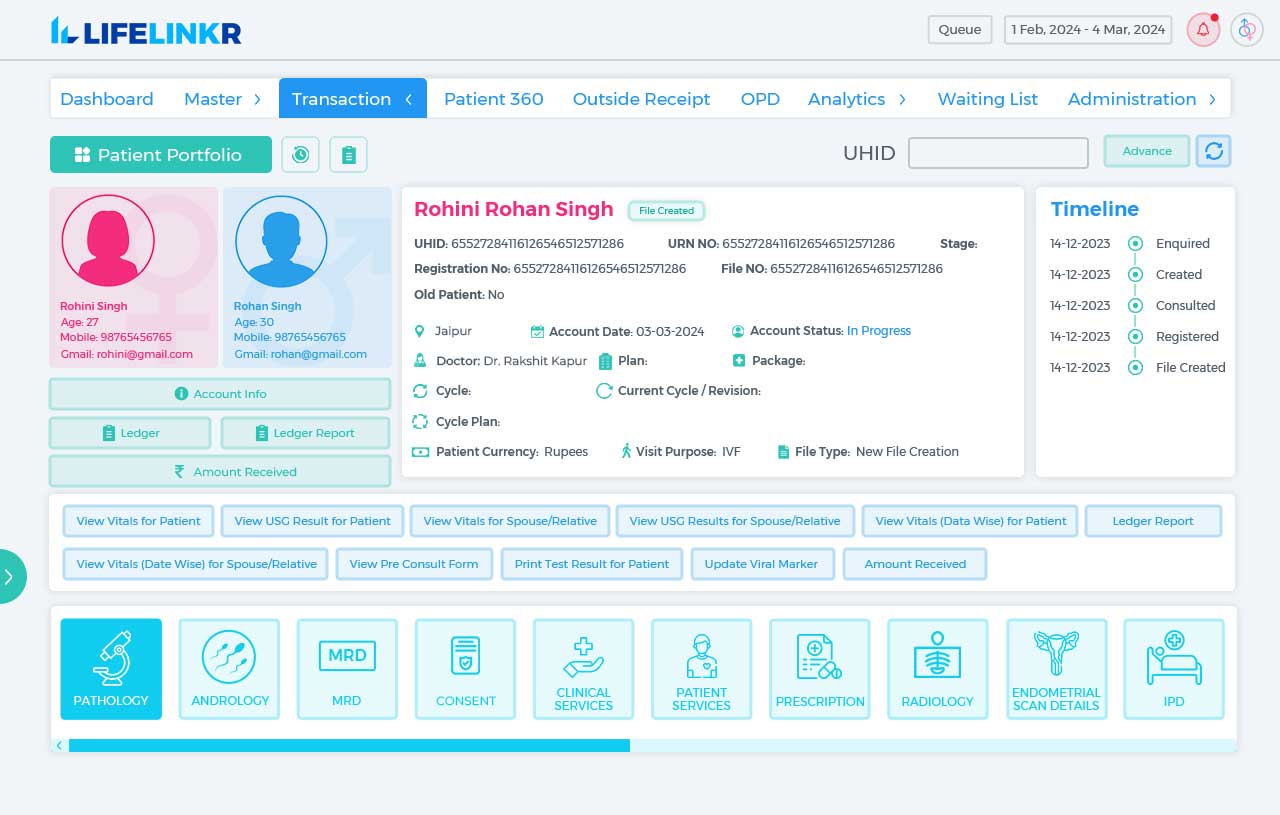
Integrating IVF software with fertility clinic software demonstrates the importance of secure healthcare systems. These solutions protect sensitive patient data, maintain compliance and optimize workflows. Robust Data security solutions allow healthcare providers and enterprises to operate confidently, safeguard information and ensure operational continuity across clinical, enterprise, and cloud environments efficiently.

FAQs
What are Data security solutions?

Data security solutions are technologies, processes and strategies protecting enterprise and cloud data from cyberattacks, unauthorized access and breaches. They include encryption, monitoring, access controls and threat detection to maintain confidentiality, integrity and operational continuity across IT environments effectively.

Why is cloud data security important?

Cloud data security ensures enterprise information remains protected, confidential and accessible only to authorized personnel. Implementing Data security solutions reduces breach risks, maintains compliance and enables secure cloud adoption, supporting remote operations and digital transformation across industries and hybrid IT systems efficiently.

How do Data security solutions support compliance?

Data security solutions help enterprises comply with GDPR, HIPAA, ISO and other standards by securing sensitive data, enabling automated reporting, maintaining audit trails and enforcing access policies. They ensure legal obligations are met while protecting data integrity, privacy and operational accountability consistently.

What technologies are included in Data security solutions?

Data security solutions include encryption, multi-factor authentication, intrusion detection, endpoint protection, AI monitoring, tokenization, secure file transfer and backup systems. These technologies collectively protect sensitive enterprise and cloud information, prevent unauthorized access and ensure regulatory compliance across business-critical IT environments effectively.

How can businesses protect sensitive information effectively?

Enterprises can protect sensitive information using multi-layered Data security solutions, combining encryption, monitoring, endpoint protection, access controls, employee training, AI-driven threat detection and audits. This proactive approach reduces cyber risks, safeguards critical information and ensures compliance across cloud, hybrid and on-premise IT infrastructures reliably.

PR & Marketing Manager at LifeLinkr, leading brand communication and strategic campaigns in the IVF industry to enhance engagement and drive impactful growth.