



Why billing confusion is common in IVF clinics

Billing confusion in IVF clinics

Table of Contents

Introduction

Billing confusion is one of the most common sources of frustration in IVF clinics for both patients and internal teams. Even when clinical care is excellent, misunderstandings around charges, treatment packages, and payments can damage trust and create unnecessary stress.

Fertility treatment involves multiple stages, uncertain outcomes, and significant emotional and financial investment. Patients are often navigating anxiety, hope and urgency at the same time. In this context, financial clarity becomes just as important as clinical accuracy.

Understanding why billing confusion occurs is the first step toward fixing it. In most cases, the causes are not intentional. They are rooted in clinical complexity, fragmented workflows, manual processes and unclear communication across teams.

Why Billing Is Inherently Complex in IVF Clinics?

IVF billing is fundamentally different from routine medical billing. Each patient follows a semi-customised treatment path that may include diagnostics, stimulation cycles, procedures, laboratory services, medications, cryopreservation, storage and follow-up care.

Many charges depend on clinical decisions made during treatment rather than upfront. Medication doses change, procedures are added or cancelled and outcomes vary. This makes simple fixed pricing difficult and increases the risk of misunderstanding especially when systems and explanations are not designed to handle this variability.

Without strong structure, complexity quickly turns into confusion.

Fragmented Care and Its Impact on Billing

IVF care spans multiple departments including consultations nursing embryology laboratories pharmacies and finance teams. When these teams operate in silos billing data becomes fragmented. Clinical actions may not be communicated promptly to billing teams. Charges may be entered late or incompletely. Patients then receive bills that feel unexpected or inconsistent with what they were told earlier.

Treatment Packages and Add On Confusion

Many clinics use treatment packages to simplify pricing. While well intentioned packages often become a source of confusion. Patients may not fully understand what is included and what is excluded. Add ons such as ICSI embryo freezing genetic testing or extended storage are sometimes discussed clinically but not reinforced financially. When these appear later on a bill patients feel misled even if disclosures were technically provided.

Clinical Variability and Mid Cycle Changes

IVF treatment is dynamic. Medication doses change cycles may be cancelled additional procedures may become necessary. These clinical adjustments affect cost but are difficult for patients to anticipate. When billing systems are not tightly linked to clinical workflows charges may be added retroactively without clear explanation. This creates confusion and resentment even when changes were medically necessary.

Communication Gaps Between Teams

Billing confusion often originates inside the clinic rather than with patients. Clinical teams focus on care delivery, while finance teams focus on charges and documentation.

When communication between these teams is informal, delayed, or inconsistent:

  • Billing information becomes outdated

  • Patients receive conflicting explanations

  • Corrections are issued after the fact

Without a single source of truth, confusion multiplies quickly.

Manual Billing Processes and Human Error

Many IVF clinics still rely on manual billing processes, spreadsheets, or disconnected systems. Manual entry increases the risk of:

  • Missed charges

  • Duplicate charges

  • Incorrect pricing

  • Delayed updates

Corrections made later are difficult to explain to patients. Each adjustment erodes confidence and increases administrative workload as staff respond to questions, disputes and complaints.

Mismatch Between Patient Expectations and Reality

Patients entering IVF treatment often focus on success rates and timelines rather than financial complexity. Even when clinics provide estimates patients may interpret them as guarantees. Without repeated reinforcement and clear documentation expectations drift. When reality diverges from perception billing confusion feels like a breach of trust rather than a misunderstanding.

Timing Delays and Retroactive Charges

Delayed billing is a major contributor to confusion. Charges posted weeks after procedures are harder for patients to connect to specific services.

Retroactive billing raises suspicion and frustration, especially when patients are already emotionally invested in treatment outcomes. Timely billing aligned with treatment milestones improves transparency and reduces disputes.

Regulatory and Documentation Challenges

IVF clinics operate under strict regulatory requirements. Proper documentation consent linkage and audit trails are essential. When documentation is incomplete billing teams may delay charges or issue corrections later. Patients rarely see these internal constraints but feel the impact through confusing bills and explanations that seem inconsistent.

How Billing Confusion Affects Patient Trust?

Billing confusion has emotional consequences. IVF patients already face stress uncertainty and financial pressure. Unexpected charges amplify anxiety and can overshadow clinical progress. Even small billing issues can dominate patient perception of the clinic. Clear billing builds trust while confusion undermines it regardless of treatment outcomes.

Role of IVF Software in Reducing Billing Confusion

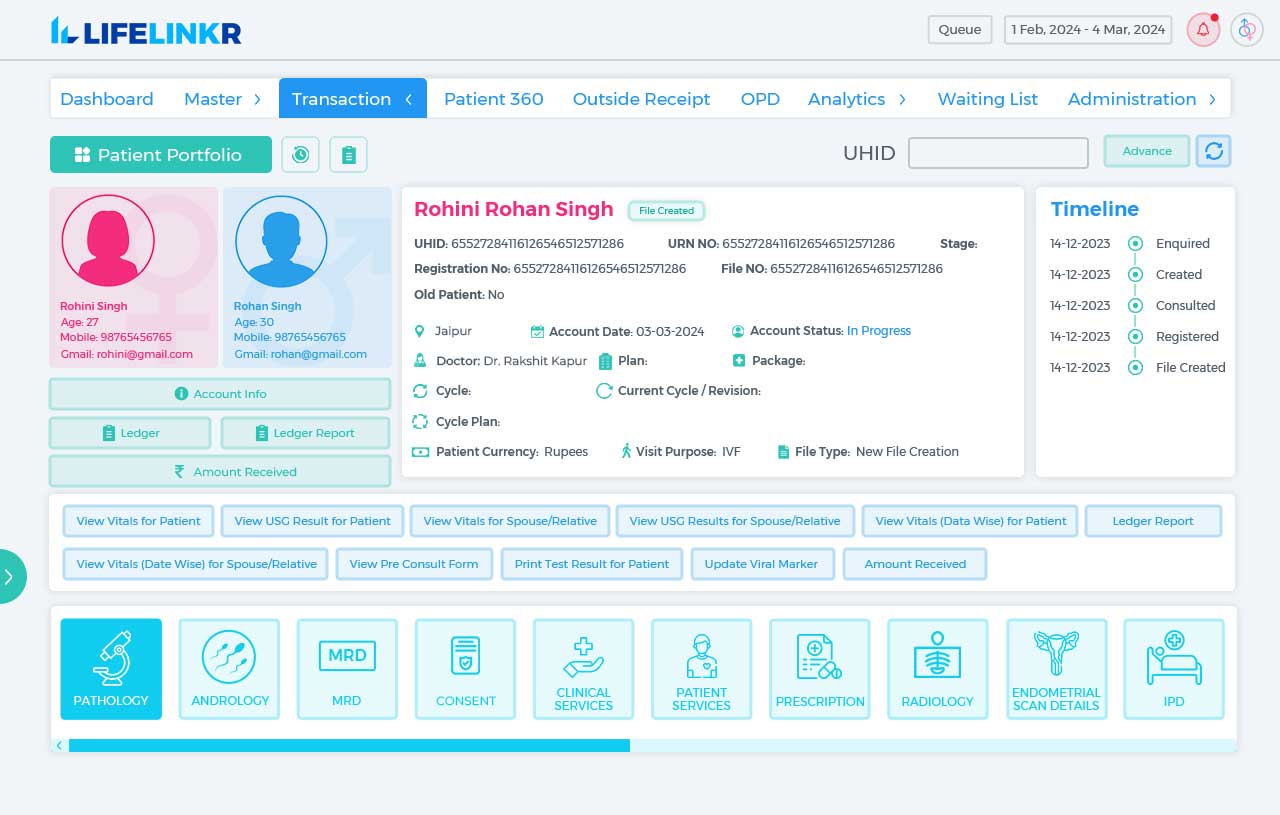
Specialised IVF software helps reduce billing confusion by linking clinical actions directly to financial records. When procedures add ons and packages are captured in real time billing becomes accurate and transparent. IVF software provides a single source of truth across teams. Patients receive clearer explanations and fewer surprises because systems reflect actual care delivered.

Clear vs Confusing Billing Workflows

Area Confusing Billing Clear Billing
Pricing Communication Verbal estimates unclear inclusions Written breakdowns and confirmations
Clinical Changes Not reflected promptly in billing Captured in real time
Documentation Fragmented across systems Linked clinical and financial records
Billing Timing Delayed or retroactive Aligned with treatment milestones
Patient Trust Low frequent disputes High predictable experience
How Clinics Can Prevent Billing Confusion?

Reducing billing confusion requires structural change not just better explanations. Clinics can:

  • Standardise package definitions and disclosures
  • Link clinical actions to billing automatically
  • Train staff to communicate financial implications clearly
  • Provide written summaries at key milestones
  • Use IVF software to maintain a single source of truth

These steps transform billing from a reactive function into a transparent part of care delivery.

FAQs
Is billing confusion inevitable in IVF clinics?

No. While complexity exists clear systems and communication significantly reduce confusion.

Do treatment packages simplify billing?

They can but only when inclusions exclusions and add ons are explained clearly and documented.

Does better billing improve patient outcomes?

Indirectly yes by reducing stress improving trust and supporting sustained engagement.

Conclusion

Billing confusion in IVF clinics is common because treatment is complex variable and emotionally charged. Fragmented systems manual processes and unclear communication amplify this complexity. The solution is not to oversimplify care but to improve structure visibility and alignment. Clinics that integrate billing with clinical workflows use software and prioritise transparency reduce confusion significantly. Clear billing protects patient trust supports staff efficiency and strengthens the overall care experience.

PR & Marketing Manager at LifeLinkr, leading brand communication and strategic campaigns in the IVF industry to enhance engagement and drive impactful growth.