What keeps IVF patients engaged throughout long treatment cycles

Long treatment cycles in IVF

Table of Contents

Introduction

IVF treatment is not a single event. It is a long emotionally demanding journey that often spans months or even years. Patients must remain engaged through consultations diagnostic testing stimulation cycles procedures waiting periods results discussions and sometimes repeated attempts. Clinics that focus only on clinical milestones often struggle with patient disengagement frustration or drop off. Sustained engagement requires more than reminders or fast responses. It depends on trust clarity emotional support and consistent experience throughout the entire treatment cycle.

Why Patient Engagement Is Challenging in IVF

IVF patients experience uncertainty at every stage. Outcomes are never guaranteed timelines can change and emotional highs are often followed by setbacks. Engagement declines when patients feel confused unheard or overwhelmed. Long gaps between appointments waiting for results financial stress and complex instructions all contribute to disengagement. Clinics that do not proactively manage these pressures risk losing patient confidence even when clinical care is sound.

Understanding the Emotional Journey of IVF Patients

Engagement begins with understanding. IVF patients are not passive recipients of care. They are emotionally invested participants. Anxiety hope disappointment and resilience often coexist. Clinics that acknowledge this emotional reality communicate differently. They explain not only what will happen but also what patients may feel along the way. Emotional validation strengthens engagement because patients feel seen rather than processed through a system.

Trust as the Foundation of Long Term Engagement

Trust keeps patients engaged when outcomes are uncertain. Trust is built through honesty consistency and follow through. Overpromising quick results damages trust quickly. Clear explanation of probabilities potential delays and decision points helps patients stay committed even during difficult phases. Clinics that maintain trust rarely lose engagement abruptly because patients understand the journey even when it is challenging.

Clarity of Expectations Throughout Treatment

One of the strongest drivers of engagement is clarity. Patients disengage when they do not know what comes next. Clear treatment roadmaps realistic timelines and explanation of each stage reduce fear and confusion. When expectations are managed early patients are more patient during waiting periods and more prepared for outcomes whether positive or negative.

Consistent and Predictable Communication

Consistency matters more than frequency. Patients do not expect constant updates but they do expect predictability. Knowing when results will arrive who will contact them and how questions will be handled reduces anxiety. Inconsistent communication creates uncertainty which leads patients to disengage emotionally even if they remain physically in treatment.

Personalised Care Without Operational Chaos

Patients value personalisation. They want to feel that their case is understood as unique. However personalisation does not mean improvisation. High performing clinics personalise within structured frameworks. Protocols are adapted thoughtfully while communication remains consistent. This balance allows patients to feel individually cared for without introducing confusion or errors.

Continuity of Care Across Long Cycles

Repeated handoffs between teams break engagement. Patients disengage when they must repeat their story or receive conflicting information. Continuity does not require the same clinician at every step but it does require shared understanding across the team. When staff demonstrate awareness of patient history patients feel valued and remain engaged.

Visibility Into Progress and Next Steps

IVF involves long waiting periods that test patience. Visibility into progress reduces emotional fatigue. Patients who can see where they are in the process and what milestones remain are more resilient. Even when there is no new information transparency about timing maintains engagement. Silence creates space for anxiety and doubt.

Reducing Anxiety During Waiting Periods

Waiting is the hardest part of IVF. Clinics that support patients during waiting periods retain engagement more effectively. This support may include educational content clear timelines reassurance about normal delays and availability for questions. Reducing uncertainty does not change outcomes but it significantly changes patient experience.

Strong Human Connection With Clinic Teams

Technology and protocols matter but human connection remains central. Kindness empathy and consistency from nurses coordinators embryologists and doctors shape patient perception. Engagement increases when patients feel that the team cares beyond procedures. Small gestures such as remembering preferences or acknowledging milestones reinforce emotional connection.

Role of IVF Software in Sustaining Engagement

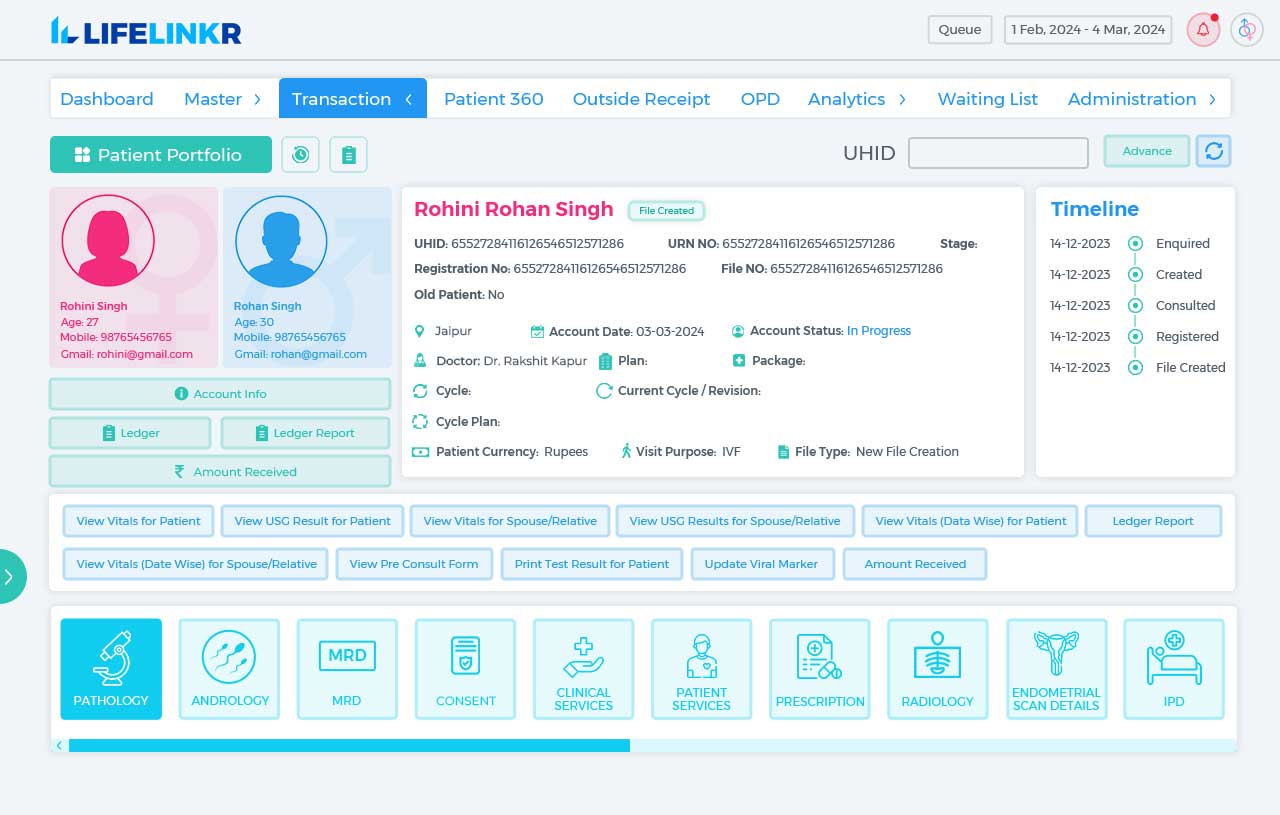
IVF software plays a growing role in patient engagement when implemented thoughtfully. By providing clear treatment timelines structured communication workflows and accurate documentation IVF software reduces confusion and delays. Automated reminders predictable updates and visibility into next steps support engagement without replacing human interaction. When technology reinforces clarity rather than complexity patients remain more confident and connected throughout long cycles.

Common Engagement Drop Off Points

Most disengagement occurs at predictable points. These include long diagnostic phases cycle cancellations negative results unexpected delays and financial discussions. Clinics that anticipate these moments prepare proactive communication and support. Addressing concerns before patients disengage preserves trust and commitment even during setbacks.

Maintaining Engagement at Scale

As clinics grow maintaining engagement becomes harder. Informal personal attention does not scale without structure. Successful clinics build engagement into processes rather than relying on individual effort. Standardised communication pathways supported by IVF software allow clinics to deliver consistent experiences even as patient volumes increase. Engagement becomes reliable rather than dependent on heroics.

FAQs
Why do IVF patients disengage during long treatments?

Patients disengage when uncertainty builds through unclear communication long waiting periods or loss of trust rather than lack of clinical effort.

Does frequent communication always improve engagement?

No. Predictable clear communication is more effective than frequent inconsistent updates.

Can technology replace human connection in IVF care?

No. Technology supports engagement by improving clarity and consistency while human connection remains essential.

Conclusion

Keeping IVF patients engaged throughout long treatment cycles requires more than speed or efficiency. Engagement grows from trust clarity emotional support and consistent experience. Clinics that understand the emotional journey communicate predictably personalise care within structure and use IVF software to reinforce clarity create stronger patient relationships. When engagement is sustained patients remain committed resilient and confident even during the most challenging phases of fertility treatment.

PR & Marketing Manager at LifeLinkr, leading brand communication and strategic campaigns in the IVF industry to enhance engagement and drive impactful growth.