
Drop off points in fertility treatment journeys and how to fix them
Table of Contents
- Introduction
- What Drop Off Points Mean in Fertility Treatment
- Why Drop Offs Are Common in Fertility Journeys
- Emotional and Psychological Drop Off Points
- Financial and Cost Related Drop Offs
- Communication Gaps That Cause Patient Attrition
- Operational and Process Related Drop Off Points
- Clinical Complexity and Decision Fatigue
- How to Fix Drop Offs by Redesigning the Patient Journey
- Using IVF Software to Reduce Drop Off Points
- Aligning Clinical and Administrative Teams
- Rebuilding Trust and Long Term Engagement
- Benefits of Reducing Drop Offs in Fertility Care
- FAQs
- Conclusion
Introduction
Fertility treatment journeys are rarely linear. Patients often enter care with hope determination and emotional investment yet many discontinue treatment before reaching an outcome. These discontinuations are known as drop off points. For fertility clinics drop offs represent more than lost revenue. They reflect unmet patient needs broken trust and gaps in care delivery. Understanding where and why patients disengage is the first step toward building more supportive transparent and effective fertility journeys.
What Drop Off Points Mean in Fertility Treatment
Drop off points occur when patients pause delay or completely stop treatment. This can happen before starting IVF during diagnostic stages between cycles or after an unsuccessful attempt. Some drop offs are unavoidable but many result from modifiable factors such as communication delays unclear expectations operational friction or emotional overload. Identifying these moments helps clinics intervene earlier and retain patient confidence.
Why Drop Offs Are Common in Fertility Journeys
Fertility care is complex time sensitive and emotionally demanding. Patients navigate medical uncertainty financial pressure and personal stress simultaneously. Unlike other medical treatments IVF requires repeated visits decisions and waiting periods. Without structured guidance and proactive support even motivated patients can feel overwhelmed. Drop offs often reflect system design rather than patient intent.
Emotional and Psychological Drop Off Points
One of the most significant causes of drop off is emotional exhaustion. Failed cycles negative test results and long waiting periods can erode hope. Patients may feel isolated or unsupported especially if communication from the clinic is limited to clinical updates only. Lack of counselling access unclear emotional preparation and insufficient follow up after setbacks contribute heavily to disengagement.
Financial and Cost Related Drop Offs
Unexpected costs are a major drop off trigger. Patients often begin treatment with partial understanding of total expenses. Additional investigations medications or add on procedures introduced mid cycle can cause shock and hesitation. When financial discussions are reactive rather than proactive trust weakens. Transparent cost planning and staged financial counselling reduce anxiety and improve continuation rates.
Communication Gaps That Cause Patient Attrition
Delayed or unclear communication creates uncertainty. Missed callbacks delayed reports and inconsistent messaging between departments make patients feel unimportant. In fertility care where timing is critical communication delays amplify stress. Even clinically successful cycles can result in drop offs if patients feel uninformed or ignored. Consistent proactive communication is essential to maintaining engagement.
Operational and Process Related Drop Off Points
Operational friction often drives disengagement. Long wait times repeated form filling unclear next steps and scheduling confusion exhaust patients. Manual processes and disconnected systems increase the likelihood of missed appointments or delayed approvals. When the care journey feels disorganised patients lose confidence and may seek alternatives or pause treatment altogether.
Clinical Complexity and Decision Fatigue
Fertility treatment involves complex decisions around protocols laboratory techniques embryo options and next steps after failure. When information is delivered all at once or without adequate explanation patients experience decision fatigue. This often leads to indecision delays or withdrawal. Structured education phased discussions and clear documentation help patients move forward with confidence.
How to Fix Drop Offs by Redesigning the Patient Journey
Reducing drop offs starts with journey redesign. Clinics should map the entire patient experience from first enquiry to long term follow up. Identifying high stress moments allows targeted interventions. Setting expectations early providing clear timelines and assigning care coordinators improves continuity. Proactive check ins at known drop off stages demonstrate support and reduce disengagement.
Using IVF Software to Reduce Drop Off Points
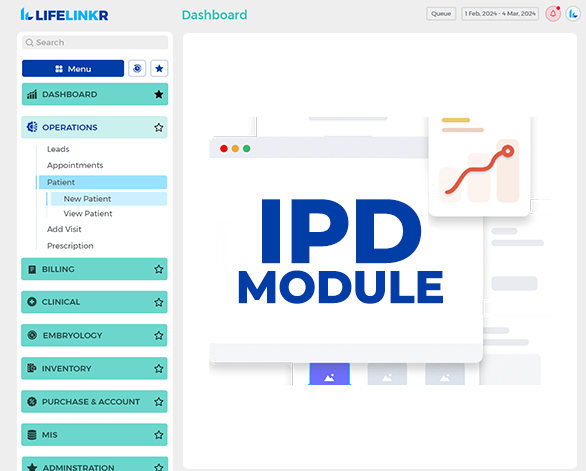
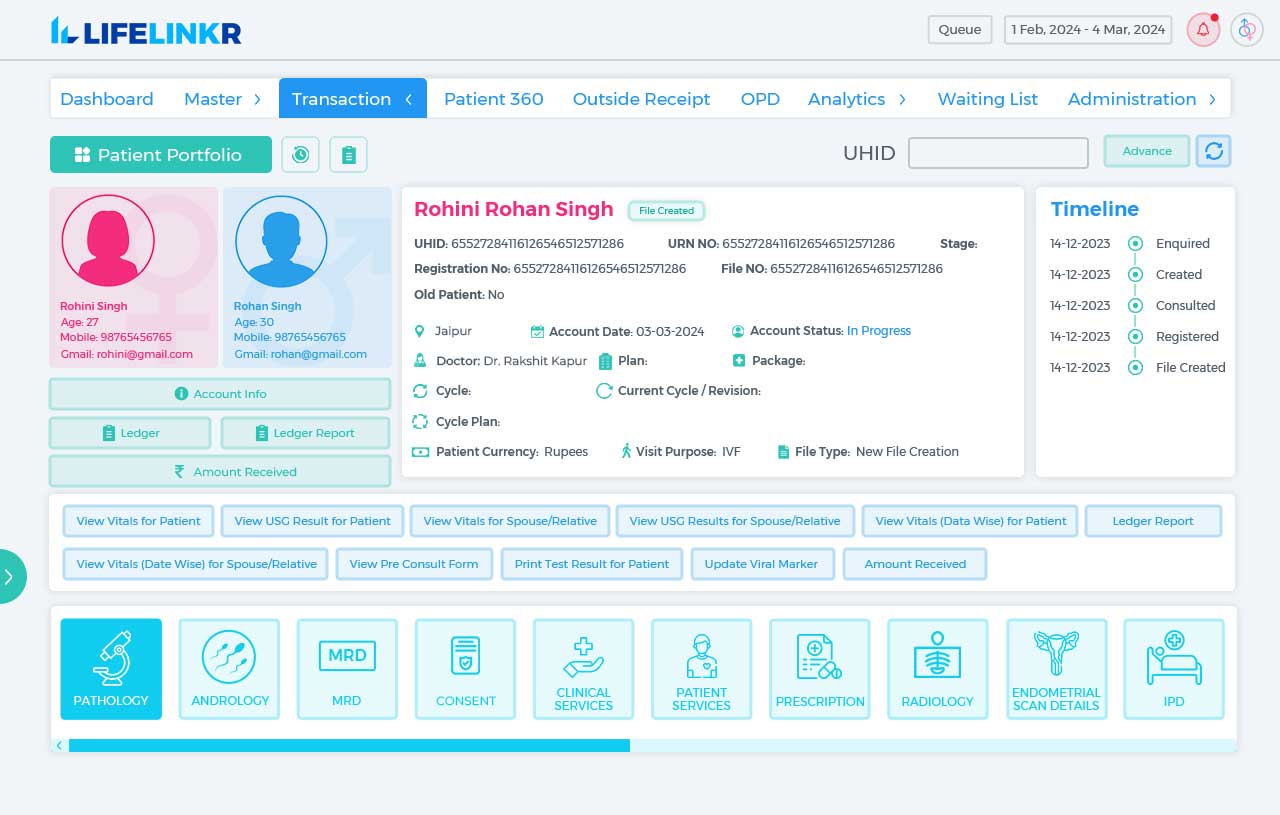
IVF software plays a critical role in improving journey continuity. Centralised platforms provide visibility into patient status upcoming steps pending approvals and communication history. Automated reminders real time updates and clear dashboards reduce uncertainty. IVF software also ensures consistent messaging across teams which strengthens patient trust and reduces frustration driven drop offs.
Aligning Clinical and Administrative Teams
Patients experience the clinic as one entity not separate departments. Misalignment between clinical and administrative teams creates confusion and delays. Regular team coordination shared dashboards and standard workflows ensure consistent patient experiences. When everyone works from the same information source gaps close and engagement improves.
Rebuilding Trust and Long Term Engagement
Trust is fragile in fertility care. Once broken it is difficult to restore. Transparent communication realistic expectation setting and visible empathy rebuild confidence. Clinics that acknowledge emotional challenges provide clarity after failures and maintain continuity of care retain patients longer. Trust transforms a difficult journey into a supported partnership.
Benefits of Reducing Drop Offs in Fertility Care
Reducing drop offs delivers measurable benefits:
- Improved patient satisfaction and emotional wellbeing
- Higher treatment continuation rates
- Better clinical outcomes through consistent care
- Stronger clinic reputation and patient referrals
- More predictable operational and financial performance
FAQs
When do most patients drop off during fertility treatment?
Drop offs commonly occur after diagnostics after a failed cycle or when unexpected costs or delays arise.
Are all drop offs preventable?
No but many can be reduced through better communication clearer processes emotional support and proactive follow up.
How does technology help reduce drop offs?
Technology improves visibility consistency and communication which reduces uncertainty and patient frustration.
Conclusion
Drop off points in fertility treatment journeys are not just patient decisions. They are signals of where care systems fall short. By identifying emotional financial communication and process driven drop offs clinics can redesign journeys that support patients holistically. With aligned teams structured workflows and IVF software that enhances visibility and communication fertility clinics can transform drop off risks into opportunities for deeper trust better outcomes and long term patient relationships.