
How delayed communication impacts IVF patient trust
Table of Contents
- Introduction
- Why Communication Is Central to IVF Patient Trust
- The Emotional Context of IVF Treatment
- What Delayed Communication Looks Like in IVF Clinics
- How Delays Gradually Erode Patient Trust
- Clinical and Operational Consequences of Poor Communication
- Decision Anxiety and Loss of Confidence
- How Delayed Communication Increases Staff Burden
- Modern Patient Expectations in the Digital Age
- Process Gaps That Cause Communication Delays
- How IVF Software Improves Timely Communication
- Best Practices to Prevent Communication Delays
- Long Term Impact on Clinic Reputation and Retention
- FAQs
- Conclusion
Introduction
In IVF care trust is built not only through clinical expertise but also through communication. Patients undergoing fertility treatment place immense emotional financial and physical trust in their clinic. When communication is timely clear and compassionate patients feel supported and confident. When communication is delayed even unintentionally trust begins to erode. In busy IVF clinics delayed updates missed calls and slow responses can significantly impact how patients perceive care quality. Understanding how delayed communication affects patient trust is essential for clinics aiming to deliver ethical patient centred fertility care.
Why Communication Is Central to IVF Patient Trust
IVF treatment involves uncertainty waiting periods and emotionally charged decisions. Patients rely on their clinic for guidance reassurance and clarity at every step. Communication acts as the bridge between complex medical processes and patient understanding. Timely updates help patients feel informed involved and respected. When clinics communicate proactively patients are more likely to trust treatment recommendations and remain engaged throughout their journey.
The Emotional Context of IVF Treatment
Unlike many other medical treatments IVF is deeply personal. Patients often arrive after years of unsuccessful attempts emotional distress and social pressure. Every test result scan and lab update carries emotional weight. Silence or delays during critical moments amplify anxiety. Even short communication gaps can feel long and distressing for patients who are emotionally invested in outcomes they cannot control.
What Delayed Communication Looks Like in IVF Clinics
Delayed communication does not always mean complete lack of contact. It often appears as:
- Late updates on scan or blood test results
- Unreturned calls or messages
- Delays in sharing treatment plan changes
- Slow responses to medication queries
- Unclear timelines for next steps
These delays may result from workload pressure or manual processes but patients experience them as neglect or indifference.
How Delays Gradually Erode Patient Trust
Trust erosion rarely happens instantly. It builds quietly when patients feel uncertain unheard or forgotten. Delayed responses create doubt about whether the clinic is organised attentive or prioritising their care. Over time patients may question clinical decisions even when care quality is high. Once trust weakens it becomes difficult to restore despite good outcomes.
Clinical and Operational Consequences of Poor Communication
Delayed communication can lead to real clinical risks. Patients may miss medication timing misunderstand dosage instructions or delay critical actions. Operationally clinics face repeated follow ups complaint escalation and emotional conversations that consume staff time. What begins as a communication delay often results in larger disruptions across care delivery.
Decision Anxiety and Loss of Confidence
IVF patients frequently need to make rapid decisions regarding cycle continuation embryo transfer or additional procedures. Delayed information increases decision anxiety. Patients may feel rushed once communication finally arrives or may lose confidence in their ability to make informed choices. This undermines shared decision making which is fundamental to ethical fertility care.
How Delayed Communication Increases Staff Burden
Ironically communication delays often increase staff workload. Patients follow up repeatedly seek clarification and express frustration. Staff then spend more time managing emotions rather than providing structured care. Over time this contributes to burnout reduced morale and strained patient relationships.
Modern Patient Expectations in the Digital Age
Today’s patients are accustomed to real time updates across most services. Banking travel and retail industries have set expectations for transparency and responsiveness. Fertility patients increasingly expect similar clarity from clinics. While IVF care is complex patients still expect timely updates predictable communication and clear next steps. Clinics that fail to meet these expectations risk appearing outdated or disorganised.
Process Gaps That Cause Communication Delays
Common causes of delayed communication include:
- Manual tracking of test results
- Fragmented systems across departments
- Unclear ownership of patient updates
- High patient volumes without workflow support
- Lack of automated notifications
These gaps are often systemic rather than individual failures.
How IVF Software Improves Timely Communication
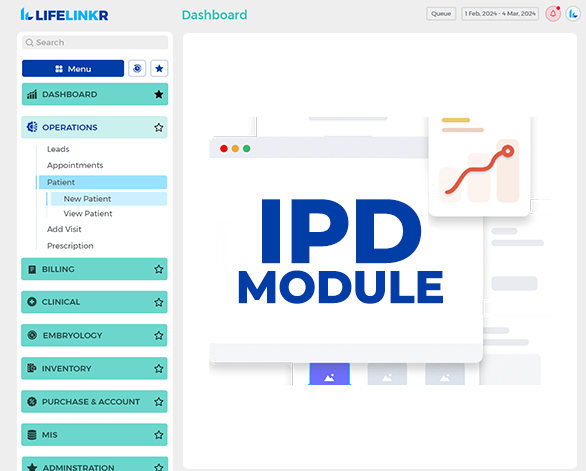
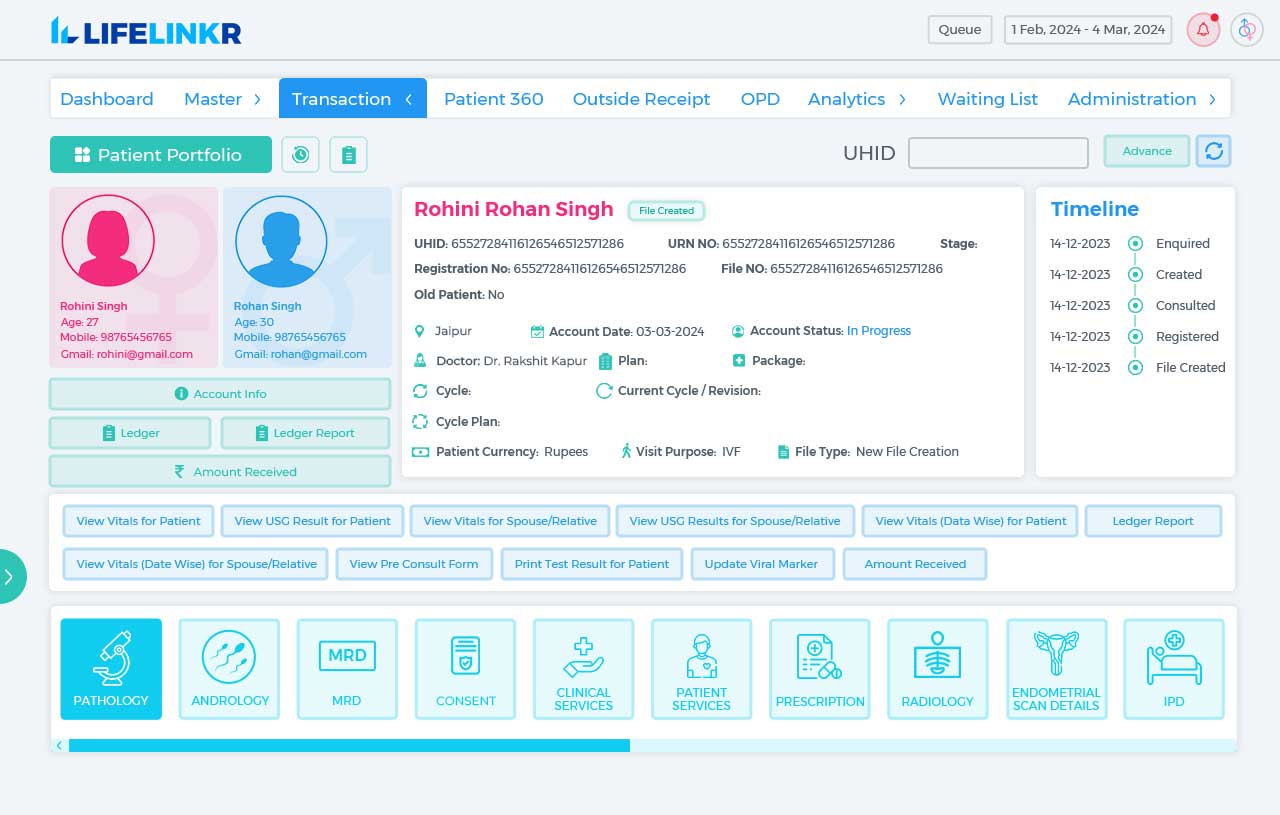
IVF software plays a critical role in closing communication gaps. Centralised systems allow clinics to track patient status results and pending actions in real time. Automated alerts reminders and patient portals ensure information is shared promptly and consistently. Our software reduces reliance on memory phone calls and manual follow ups which significantly improves communication reliability.
Best Practices to Prevent Communication Delays
Clinics can strengthen patient trust by:
- Defining clear communication timelines
- Assigning ownership for patient updates
- Using automated notifications for results
- Providing clear next step summaries
- Setting realistic expectations proactively
Consistency matters more than perfection. Patients value predictability and honesty.
Long Term Impact on Clinic Reputation and Retention
Delayed communication affects more than individual cycles. It influences patient reviews referrals and long term reputation. Patients who feel unsupported are less likely to return for future cycles or recommend the clinic. In contrast clinics known for clear compassionate communication build stronger loyalty and positive word of mouth regardless of outcomes.
FAQs
Why is communication more critical in IVF than other treatments
IVF involves emotional uncertainty time sensitive decisions and high patient investment which makes timely communication essential for trust and confidence.
Do communication delays affect treatment outcomes
While not always clinical outcomes delays can affect adherence decision quality and patient wellbeing which indirectly influence success.
Can technology fully replace human communication
No. Technology supports consistency and timeliness but empathy and reassurance must still come from clinical teams.
Conclusion
Delayed communication has a profound impact on IVF patient trust. In an emotionally sensitive and complex care journey silence uncertainty and slow responses can feel as damaging as clinical setbacks. By improving process visibility setting clear communication standards and using IVF software to support timely updates clinics can protect patient trust and deliver more compassionate care. In IVF communication is not a soft skill. It is a core component of clinical excellence and ethical practice.