



Tips for effective patient record keeping in busy fertility centres
Table of Contents
- Introduction
- Why Accurate Patient Record Keeping Matters in Fertility Centres
- Why Record Keeping Is Especially Complex in IVF Care
- Common Record Keeping Challenges in Busy IVF Clinics
- Standardise Documentation Across the Clinic
- Adopt Digital and Centralised Patient Records
- Maintain Clear Cycle Based Documentation
- Integrate Clinical Laboratory and Administrative Records
- Define Clear Roles and Responsibilities
- Ensure Real Time and Point of Care Data Entry
- Maintain Data Accuracy Consistency and Validation
- Strengthen Data Security and Access Control
- Conduct Regular Audits Quality Reviews and Traceability Checks
- Build a Culture of Documentation Through Training
- Improve Patient Transparency and Communication
- Long Term Benefits of Effective Patient Record Keeping
- FAQs
- Conclusion
Introduction
Fertility centres function in a high intensity environment where clinical precision regulatory compliance and emotional sensitivity intersect every day. Each IVF cycle generates a large volume of patient information within a short period of time. This includes consultation notes diagnostic reports laboratory findings medication schedules consent forms and outcome documentation. In busy IVF centres where dozens of cycles may run in parallel effective patient record keeping is essential. Accurate organised and accessible records enable teams to deliver safe care while maintaining efficiency and compliance.
Why Accurate Patient Record Keeping Matters in Fertility Centres
Patient records serve as the single source of truth for fertility treatment. Clinicians rely on accurate data to make time sensitive decisions that directly affect outcomes. Embryologists depend on precise laboratory documentation to ensure correct handling and identification of gametes and embryos. Administrators require complete records to manage scheduling billing and regulatory reporting. Poor record keeping increases the risk of clinical errors delays and disputes. Strong documentation protects both patients and clinics while reinforcing trust and accountability.
Why Record Keeping Is Especially Complex in IVF Care
IVF care is uniquely complex due to its multi stage nature and involvement of multiple specialists. A single cycle may include ovarian stimulation monitoring egg retrieval fertilisation embryo culture cryopreservation and transfer. Each step requires precise documentation and approvals. Records must also comply with ethical guidelines chain of custody requirements and regulatory standards. This complexity makes fragmented or paper based documentation risky and unsustainable for modern fertility centres.
Common Record Keeping Challenges in Busy IVF Clinics
Many fertility centres face similar operational challenges:
- High patient load with overlapping active cycles
- Frequent handovers between clinicians nurses and embryologists
- Manual data entry under time pressure
- Inconsistent documentation styles between staff
- Difficulty retrieving historical records during audits or disputes
Without structured systems these challenges can compromise both efficiency and patient safety.
Standardise Documentation Across the Clinic
Standardisation is the foundation of reliable record keeping. Fertility centres should use predefined templates for consultations stimulation plans ultrasound findings laboratory procedures consent verification and discharge summaries. Standard fields ensure critical information is never missed while consistent terminology improves clarity. Standardisation also supports training onboarding and audit readiness across growing teams.
Adopt Digital and Centralised Patient Records
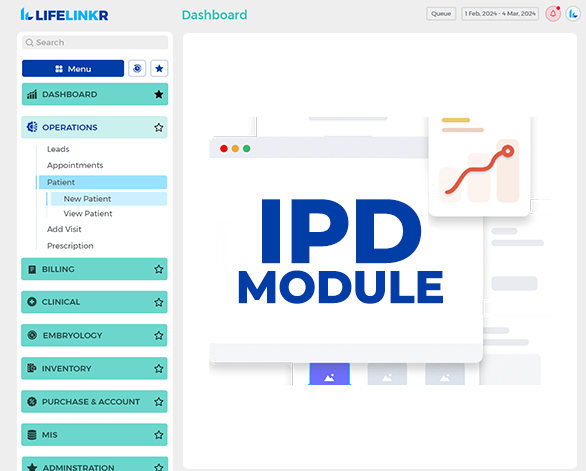
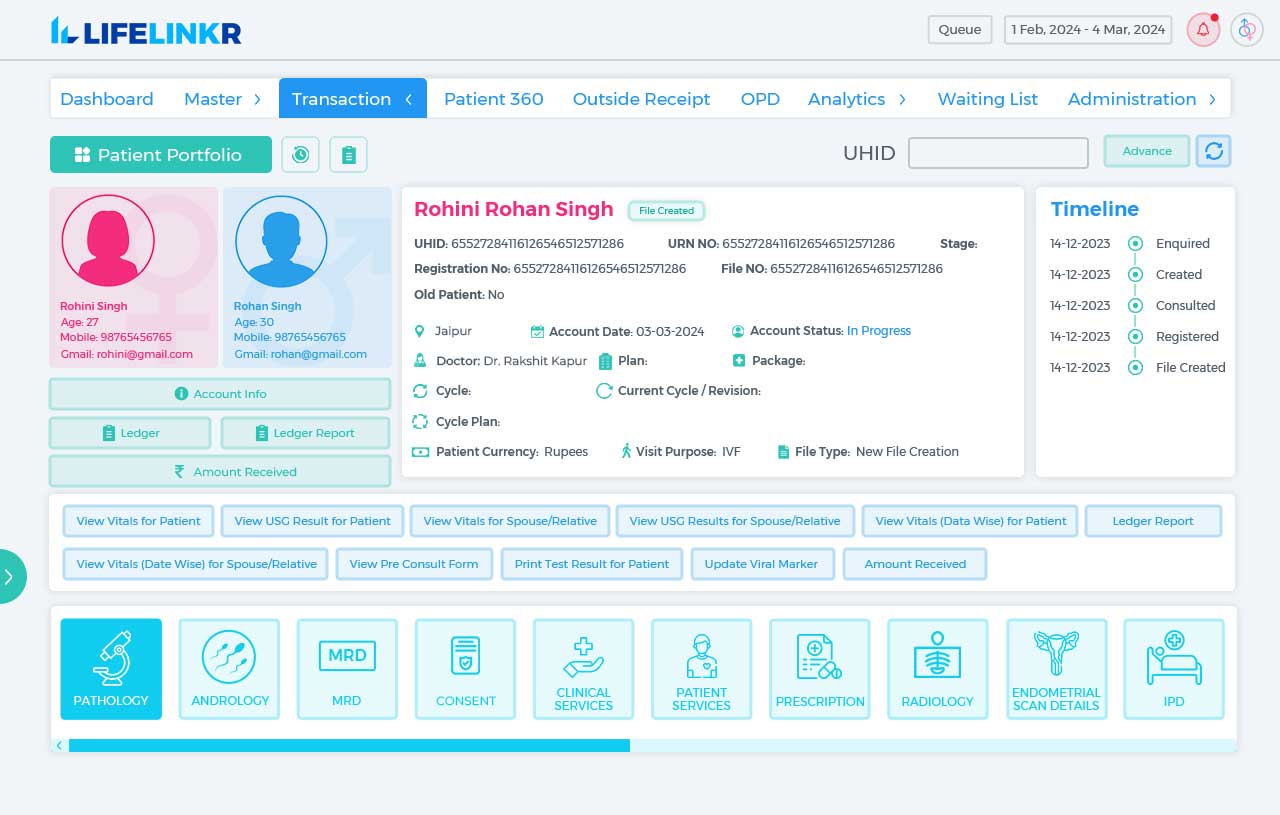
Digital record systems are essential for high volume fertility centres. Centralised electronic records allow all departments to access up to date patient information instantly. IVF software brings clinical notes laboratory data consents imaging and cycle tracking together under a single patient profile. This eliminates duplication reduces errors and improves collaboration across teams while ensuring records remain secure and traceable.
Maintain Clear Cycle Based Documentation
Each IVF cycle must be clearly documented as a distinct clinical event. Cycle based records help teams differentiate between historical and active treatments. Linking investigations medications laboratory outcomes and consents to a specific cycle improves accuracy and traceability. Cycle clarity is also critical during audits and in long term storage or follow up scenarios.
Integrate Clinical Laboratory and Administrative Records
Fragmented systems create information silos. Fertility centres should ensure clinical documentation laboratory records and administrative data are integrated. When scheduling billing laboratory outcomes and clinical decisions exist within the same system teams gain a complete view of the patient journey. Integration reduces miscommunication and supports smoother operations.
Define Clear Roles and Responsibilities
Clear ownership of documentation tasks ensures accountability. Clinicians record medical decisions and treatment plans. Embryologists document laboratory procedures and outcomes. Nurses update monitoring data and medication changes. Administrative teams manage consents scheduling and patient communications. Defined roles prevent gaps overlaps and delays in documentation.
Ensure Real Time and Point of Care Data Entry
Timely documentation improves accuracy and decision making. Recording information immediately after consultations scans or laboratory work reduces reliance on memory and handwritten notes. Real time entry ensures all team members work with current data which is critical in fast moving IVF cycles.
Maintain Data Accuracy Consistency and Validation
Data quality goes beyond completeness. Fertility centres should enforce consistent units terminology and naming conventions. Validation rules within IVF software can flag missing or incorrect entries before they affect care. High quality data supports clinical confidence reporting accuracy and regulatory compliance.
Strengthen Data Security and Access Control
Fertility records are highly sensitive. Role based access ensures staff view only information relevant to their responsibilities. Secure authentication audit logs and encryption protect patient privacy and support compliance with data protection regulations. Strong security practices reinforce patient trust.
Conduct Regular Audits Quality Reviews and Traceability Checks
Regular internal audits help fertility centres identify documentation gaps early. Quality reviews ensure records remain complete accurate and traceable. Proactive auditing reduces stress during inspections and supports continuous improvement across clinical and administrative teams.
Build a Culture of Documentation Through Training
Technology alone does not guarantee good record keeping. Ongoing training ensures staff understand documentation standards regulatory expectations and system workflows. Refresher sessions help maintain consistency as teams grow and systems evolve. A culture that values documentation improves long term quality and safety.
Improve Patient Transparency and Communication
Clear records support better patient communication. Accurate documentation enables fertility centres to explain treatment progress outcomes and next steps with confidence. Transparency builds trust and reassures patients throughout emotionally demanding IVF journeys.
Long Term Benefits of Effective Patient Record Keeping
Well managed patient records deliver lasting advantages:
- Safer clinical decisions and reduced risk
- Improved coordination across multidisciplinary teams
- Higher patient confidence and satisfaction
- Faster audits and regulatory readiness
- Scalable operations for growing fertility centres
- Stronger medico legal protection
FAQs
Why is patient record keeping critical in fertility centres
IVF treatments are complex time sensitive and tightly regulated which makes accurate documentation essential for safety and compliance.
How does IVF software help busy fertility centres
IVF software centralises records supports cycle tracking integrates workflows and improves data accuracy across departments.
How often should records be reviewed
Records should be reviewed continuously with formal audits scheduled regularly or before inspections.
What happens when documentation is incomplete
Incomplete records increase clinical risk delay treatment expose clinics to compliance issues and reduce patient trust.
Conclusion
Effective patient record keeping is the backbone of safe ethical and high quality fertility care. In busy IVF centres structured documentation digital systems and disciplined workflows make accuracy achievable even under pressure. By standardising records integrating IVF software strengthening data governance and investing in staff training fertility centres can deliver consistent care while scaling operations with confidence.