

HIPAA Compliance for IVF Clinics: Staying Secure While Staying Efficient

HIPAA Compliance for IVF Clinics

Table of Contents

Introduction
Understanding HIPAA and Its Relevance to IVF Clinics
Key HIPAA Requirements IVF Clinics Must Follow
Balancing Security with Efficiency in Fertility Care
Technological Solutions for HIPAA Compliance
Common Challenges and How to Overcome Them
Conclusion
FAQs
References

Introduction

HIPAA Compliance for IVF Clinics: Staying Secure While Staying Efficient is essential in today’s data-driven healthcare landscape. IVF clinics handle vast amounts of sensitive patient information, making HIPAA compliance not just a legal requirement but a crucial part of patient trust, clinic credibility and data protection practices.

Understanding HIPAA and Its Relevance to IVF Clinics

The Health Insurance Portability and Accountability Act (HIPAA) sets strict guidelines for the use, storage and sharing of Protected Health Information (PHI). IVF clinics are especially impacted because they often manage:

  • Reproductive histories
  • Genetic data
  • Insurance and billing records
  • Psychological evaluations

HIPAA compliance ensures that all this data remains secure, confidential and used only for permitted clinical purposes.

“The security of our patients’ personal health information is as important as the treatments we offer.” – Dr. Jane Robertson, Fertility Expert

Key HIPAA Requirements IVF Clinics Must Follow

To meet HIPAA regulations, IVF clinics need to adhere to several core components that regulate how patient data is handled and protected:

  • Privacy Rule: Protects individual medical records and personal health information.
  • Security Rule: Requires physical, administrative and technical safeguards.
  • Breach Notification Rule: Mandates timely notification of any data breach.

Failure to follow these rules can result in heavy fines, legal consequences and reputational damage.

Balancing Security with Efficiency in Fertility Care

Maintaining HIPAA compliance can seem like a burden, but it’s possible to stay secure and efficient with the right strategies:

Key strategies include:

  • Encrypting all patient communication
  • Using role-based access to EMRs
  • Scheduling regular training sessions
  • Automating data audits
  • Leveraging integrated compliance dashboards

Clinics can streamline workflows, enhance performance and remain secure without compromising daily productivity.

Technological Solutions for HIPAA Compliance

Modern IVF clinics are leveraging technology to improve both compliance and care delivery. Key solutions include:

Cloud-based EHR Systems:

  • Encrypted data storage
  • Access control features
  • Automated backup mechanisms

Patient Portals:

  • Secure document exchange
  • Appointment scheduling
  • Medical history management

Audit Trail Systems:

  • Record user activity
  • Identify unauthorized access
  • Generate compliance reports

Technology can enhance not only security but also patient satisfaction and operational efficiency.

Common Challenges and How to Overcome Them

Common HIPAA Hurdles
  • Lack of staff training
  • Inconsistent data management practices
  • Weak password policies
  • Outdated software
  • Limited IT support
  • Insufficient encryption protocols
Practical Solutions
  1. Implement annual HIPAA training programs
  2. Adopt two-factor authentication for all systems
  3. Update software and systems regularly
  4. Perform quarterly compliance audits
  5. Hire dedicated compliance officers
  6. Use secure mobile access solutions

HIPAA Violation Penalties

Violation Category Penalty Per Violation Annual Cap
Unknowing $100 – $50,000 $1.5 million
Reasonable Cause $1,000 – $50,000 $1.5 million
Willful Neglect (Corrected) $10,000 – $50,000 $1.5 million
Willful Neglect (Not Corrected) $50,000 $1.5 million

Customer Testimonial

“Since integrating HIPAA-compliant tools, our IVF clinic has experienced zero data breaches and improved patient satisfaction. The peace of mind it brings to our staff and patients is invaluable. It has transformed how we operate.” – Nina Patel, IVF Coordinator

Conclusion

HIPAA compliance for IVF clinics is not only a legal necessity but a way to build a foundation of trust. With smart planning and modern tools, clinics can protect patient data without sacrificing operational efficiency. Investing in compliance now prevents crises in the future.

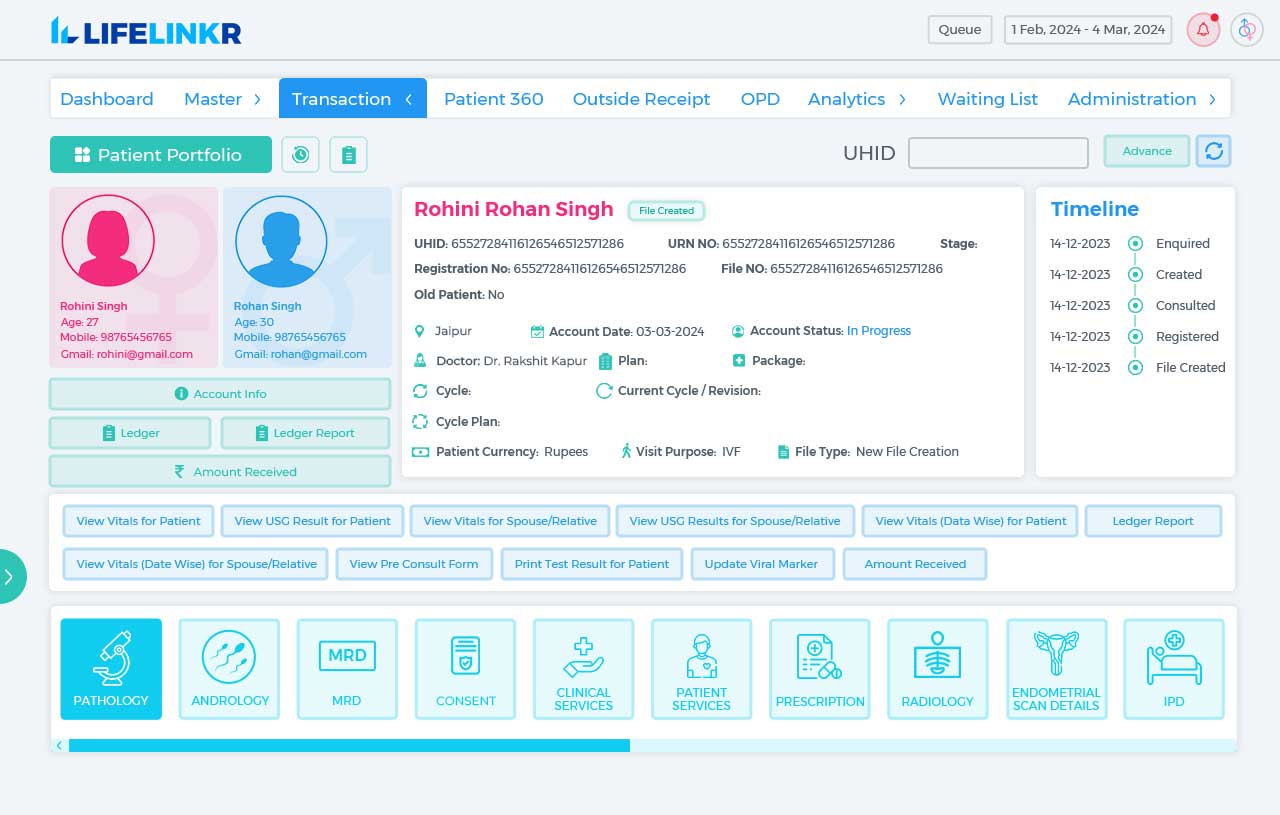
At LifeLinkr, we help fertility clinics ensure full HIPAA compliance without slowing down operations. Our IVF software is secure, efficient tech solutions support data protection and streamline patient care. Stay compliant, stay confident—choose LifeLinkr to navigate regulations with ease and peace of mind.

FAQs
What is HIPAA compliance for IVF clinics?

HIPAA compliance for IVF clinics means protecting sensitive patient information through secure systems and practices as outlined in federal law and healthcare standards.

Why is HIPAA important in fertility care?

It ensures the confidentiality of sensitive data like reproductive histories and test results, which strengthens patient trust, legal safety and clinic integrity.

What happens if a clinic is not HIPAA compliant?

Non-compliance can result in substantial fines, legal action, damaged reputation and potential suspension of operations.

How can IVF clinics maintain compliance while being efficient?

By using secure digital tools like EHRs, role-based access, audit logs and integrated training platforms.

Is staff training necessary for HIPAA compliance?

Yes, consistent and updated training ensures staff understand and follow data protection protocols, reducing human errors and violations.

What systems help with compliance?

Secure EHRs, encrypted communication tools, automated audit trails and data encryption systems are essential technologies.

References

PR & Marketing Manager at LifeLinkr, leading brand communication and strategic campaigns in the IVF industry to enhance engagement and drive impactful growth.