


The Top Benefits of Ultrasound Machine Integration in Modern Clinics
Table of Contents
Introduction
Enhanced Diagnostic Accuracy
Cost-Effectiveness and Accessibility
Improved Patient Experience
Integration with Artificial Intelligence
Streamlined Clinical Workflows
Conclusion
Introduction
Using ultrasound machines in modern clinics has many benefits. It helps doctors diagnose problems better and provides better care for patients. This setup also makes the work process faster, cuts costs and improves the overall experience for both patients and healthcare providers. In this article, we will look at the main advantages of using ultrasound machines in today’s clinics.
Enhanced Diagnostic Accuracy
Using ultrasound machines in clinics helps doctors see live images of the inside of the body, making it easier to diagnose problems accurately. This allows doctors to make quick decisions, reducing the chance of mistakes and improving patient care. For example, real-time images can help doctors find issues like tumors or cysts early, so treatment can start sooner.
Benefits include:
- Provides clear, real-time images of internal organs.
- Helps doctors make faster and more accurate decisions.
- Reduces the risk of misdiagnosis.
- Supports early detection of conditions like tumors and cysts.
Real-Time Imaging Capabilities
Integrating ultrasound machines allows doctors to see live images of the body, helping them monitor real-time changes. This is especially useful during procedures like biopsies or catheter placements, where instant feedback ensures everything is done accurately and safely. It also helps track how treatment is going, so doctors can adjust care plans when needed.
Cost-Effectiveness and Accessibility
Compared to other imaging modalities like MRI or CT scans, ultrasound machines are more affordable and require less maintenance. Their integration into clinics reduces the need for external referrals, cutting down on patient wait times and transportation costs. Moreover, portable ultrasound devices extend diagnostic capabilities to remote or underserved areas, improving healthcare accessibility.
Key points:
- Lower equipment and maintenance costs compared to MRI or CT.
- Fewer external referrals mean shorter wait times.
- Portable machines allow for use in remote or rural areas.
- Helps clinics serve more patients without increasing overhead.
Improved Patient Experience
The integration of ultrasound machines enhances patient comfort by providing non-invasive and painless diagnostic options. Patients benefit from immediate results, reducing anxiety associated with waiting for test outcomes. Furthermore, the ability to view images during consultations fosters better communication between patients and healthcare providers, leading to increased patient satisfaction and trust.
Integration with Artificial Intelligence
Modern ultrasound machines with artificial intelligence (AI) can automatically analyze images, spot problems and help with diagnoses. This reduces the workload for doctors, letting them focus more on patient care. AI also learns from large amounts of data, which helps improve accuracy and supports better medical practices over time.
AI is changing how clinics use ultrasound by:
- Automatically analyzing images for quicker results.
- Identifying possible health problems early.
- Saving time for doctors and radiologists.
- Supporting accurate and data-driven decisions.
- Learning and improving from more data over time.
“AI is not a replacement for doctors, but a powerful tool to support them in delivering better care.” – Adapted from Dr. Eric Topol
Streamlined Clinical Workflows
Using ultrasound machines in clinics makes things run more smoothly by cutting down on extra appointments and referrals. Doctors can do imaging and make a diagnosis in one visit, speeding up treatment. This also helps healthcare teams work together better since they can easily share and access imaging data.
Conclusion
Using ultrasound machines in modern clinics brings many benefits, such as more accurate diagnoses, real-time images, lower costs, better patient care and the use of AI technology. It also helps improve the way clinics work by making processes faster and easier. As healthcare keeps improving, using ultrasound machines will be key to better patient care and smoother clinic operations.
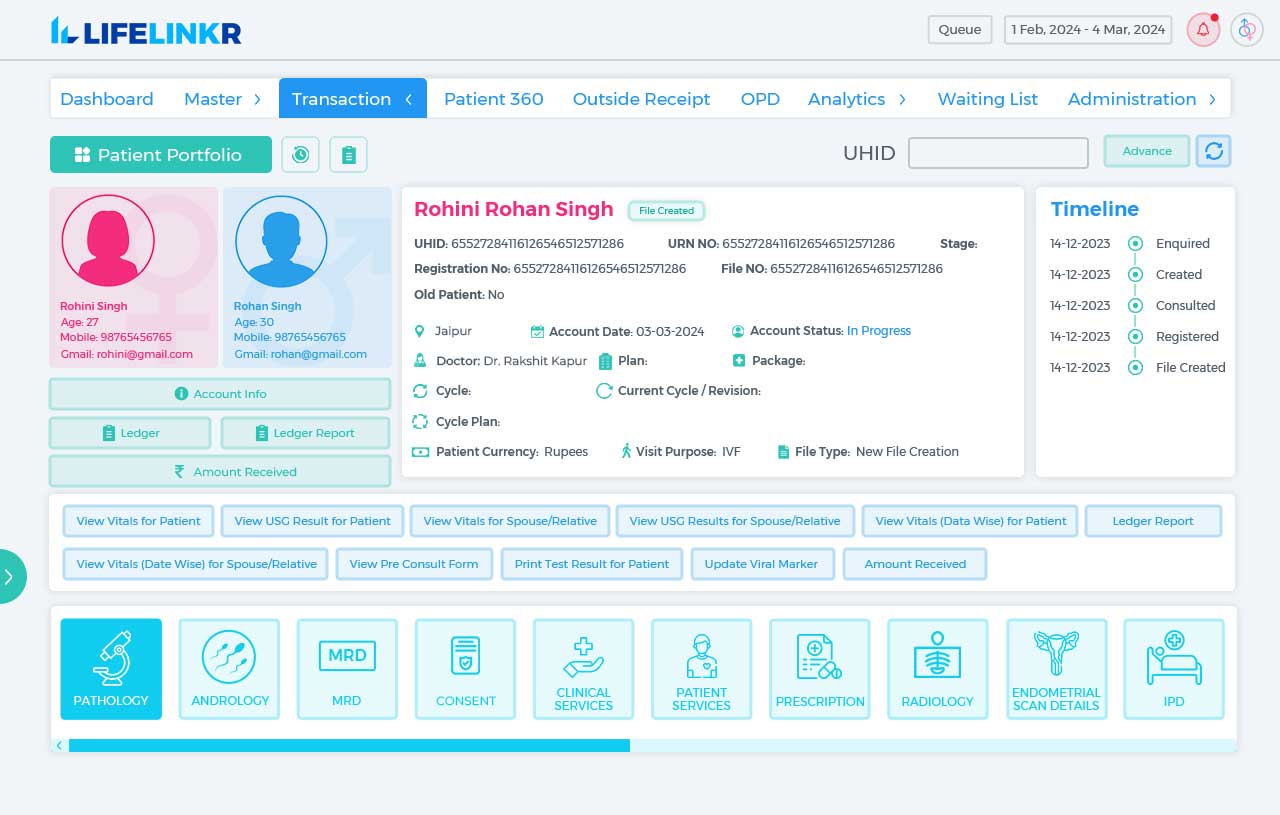
At LifeLinkr, we specialize in helping clinics embrace the full potential of ultrasound machine integration. Our IVF Software allows seamless access to real-time ultrasound images directly within patient profiles—no extra software, no manual uploads. With built-in AI tools and smooth data syncing, LifeLinkr improves diagnostic accuracy, speeds up workflows and enhances collaboration between medical teams. Let us help you deliver smarter, faster and more connected care.
Customer Testimonial
“Since integrating ultrasound technology into our clinic, we’ve seen a significant improvement in diagnostic efficiency and patient satisfaction. The ability to perform real-time imaging has transformed our practice.”
— Dr. A. Sharma, Clinic Director
FAQs
Q1: What is ultrasound machine integration?
Ultrasound machine integration involves incorporating ultrasound technology into clinical workflows to enhance diagnostic capabilities and patient care.
Q2: How does ultrasound integration improve patient experience?
It provides non-invasive, real-time imaging, reducing wait times and fostering better communication between patients and healthcare providers.
Q3: Are AI capabilities beneficial in ultrasound integration?
Yes, AI enhances diagnostic accuracy by automating image analysis and identifying abnormalities, supporting clinicians in decision-making.h
Q4: Can ultrasound integration reduce healthcare costs?
Absolutely, it minimizes the need for external referrals and repeat imaging, leading to cost savings for both clinics and patients.
Q5: Is ultrasound integration suitable for all clinics?
Yes, ultrasound integration is adaptable to various clinic sizes and specialties, enhancing diagnostic capabilities across diverse healthcare settings.