
How API Integrations Can Simplify Data Migration for IVF Clinics
Table of Contents
Introduction
Understanding API Integrations in IVF Clinics
Challenges in Data Migration
How API Integrations Enhance Data Migration
How APIs Help IVF Clinics
Steps to Improve Data Transfer in Clinics
Best Ways to Make Data Transfer Smooth
Mistakes to Avoid When Moving Data in Clinics
Future Trends in API-Based Data Migration
Conclusion
FAQs
Introduction
IVF clinics need to move data when switching to a new system. API integrations make this process easy by allowing systems to share data smoothly. This helps reduce errors, save time and improve efficiency. In this article, we explain how API integrations make data migration simple and secure.
Understanding API Integrations in IVF Clinics
An API (Application Programming Interface) helps different software systems connect and share data easily. In IVF clinics, API integrations make work faster and reduce mistakes.
Here’s how API integrations help:
- Safe patient record transfer – Moves medical data securely.
- Automatic data updates – Keeps records up to date.
- Better teamwork – Connects different systems for easy access.
- Instant patient history updates – Changes are reflected immediately.
With API integrations, IVF clinics can save time, reduce errors and improve patient care.
Challenges in Data Migration
Moving data in an IVF clinic can be tricky. If not done properly, it can cause problems that slow down work. Here are some common challenges:
- Data loss or errors – Important patient records can get lost, duplicated, or changed by mistake. This can affect treatments.
- Old systems not working with new ones – Some older software may not connect well with new systems, making data transfer difficult.
- Time-consuming manual work – Entering data by hand takes a lot of time and can delay patient care.
- Security risks – Patient information is private and must be kept safe. Clinics must follow strict rules to protect data during migration.
Understanding these problems helps IVF clinics plan better and use API integrations to make data transfer smooth and safe.
How API Integrations Help in Data Migration
API integrations make data migration easy for IVF clinics. They save time, reduce mistakes and keep everything running smoothly. Here’s how they help:
- Automatic data transfer – APIs move data by themselves, so there’s no need to do it manually. This saves time and prevents errors.
- Accurate and safe data – APIs check the data before moving it, making sure nothing is lost or duplicated.
- Old and new systems work together – APIs help old and new systems connect, so data moves easily without problems.
- No delays – APIs transfer data quickly, so clinics can keep working without stopping.
With API integrations, IVF clinics can move data safely, quickly and without any trouble.
How APIs Help IVF Clinics
APIs make work easy and fast for IVF clinics. Here’s how they help:
- Saves time and reduces mistakes – APIs do tasks like moving patient records and billing on their own. This means less work for staff and fewer errors.
- Keeps records correct – APIs update patient data instantly, making sure all information is right and up to date. This helps doctors give better care.
- Keeps data safe – APIs protect patient records with strong security. Only the right people can see the data, keeping it safe.
- Helps clinics grow – When a clinic gets bigger, APIs make it easy to add new systems or update old ones.
With APIs, IVF clinics can work better, faster and safer, helping both staff and patients.
Steps to Improve Data Transfer in Clinics
To make data transfer smooth and error-free in clinics, follow these steps:
- Identify important data – Decide which patient records and clinic details need to be moved or shared.
- Select the best method – Choose a reliable way to transfer data that meets the clinic’s needs.
- Plan the process – Create a step-by-step plan to avoid mistakes and delays.
- Test before full use – Check if the data transfer method works properly and ensures accuracy.
- Monitor and improve – Regularly check for any issues and make updates to improve performance.
Following these steps helps clinics transfer data safely, quickly and with minimal errors.
Best Ways to Make Data Transfer Smooth
To ensure safe and error-free data transfer in clinics, follow these best practices:
- Use the same data format – Make sure all systems use a common format so data moves easily without issues. This helps different platforms understand and process information correctly.
- Keep data safe – Use strong security measures like encryption and passwords to protect patient records from hackers or unauthorized access.
- Test before full use – Before moving all data, do a small test to check if everything transfers correctly. This helps find and fix any problems early.
- Keep systems updated – Regularly update software to ensure it works well with the latest technology and security standards.
- Check performance regularly – Monitor how well the system is working and fix any errors to improve data transfer over time.
Following these best practices ensures smooth, safe and efficient data transfer in clinics.
Mistakes to Avoid When Moving Data in Clinics
Moving data to a new system is important, but mistakes can cause problems. Here are some common mistakes to avoid:
- Not cleaning data before moving – Old records may have errors or duplicate entries. If not cleaned, these mistakes will move into the new system and cause confusion.
- Ignoring transfer speed limits – Some systems have limits on how fast data can be transferred. If not checked, this can slow down the process or cause delays.
- Not keeping a backup – Before moving data, always save a copy. If something goes wrong, a backup will help restore lost information.
- Not training staff properly – Employees need to understand the new system to avoid mistakes. Without training, they may struggle to use it correctly.
- Skipping testing before full use – Testing a small part of the data first helps find and fix errors before moving everything. Skipping this step can lead to big problems.
By avoiding these mistakes, clinics can move data safely and smoothly, ensuring a successful transition to the new system.
Future Trends in API-Based Data Migration
Technology is improving, making data transfer faster, safer and easier. Here are some new trends that will help clinics:
- Smart data transfer – Artificial Intelligence (AI) moves data automatically. This reduces human work and mistakes, making data transfer smooth.
- Stronger security – Blockchain technology keeps patient records safe. It protects data from hackers and changes.
- Cloud storage – Clinics can store data in the cloud, making it easy to access from anywhere. Staff can update and share records quickly.
- Instant updates – New technology updates data in real-time. Doctors always have the latest patient information.
These changes will make data transfer easy, safe and fast, helping clinics work better and care for patients.
LifeLinkr API-Driven Data Migration Features
| Feature | LifeLinkr API Integration |
| Automated Data Transfer | ✅ Yes |
| Real-Time Synchronization | ✅ Yes |
| Data Security & Encryption | ✅ Yes |
| Integration with Legacy Systems | ✅ Yes |
| Downtime Reduction | ✅ Yes |
| Compliance with Regulations | ✅ Yes |
| Seamless Patient Record Migration | ✅ Yes |
| Multi-Clinic Data Integration | ✅ Yes |
| Cloud-Based Backup Support | ✅ Yes |
| End-to-End Encryption | ✅ Yes |
IVF clinics need smooth data migration🏥💻 API integrations make it faster, safer and hassle-free. Discover how they streamline patient data transfers🔗 #IVFTech #DataMigration
— LifeLinkr IVF Software Company (@LifeLinkr_IN) March 20, 2025
Customer Testimonial
“Migrating our patient records felt overwhelming until we used API integrations. The transition was smooth and we experienced zero data loss. Highly recommend!” – Dr. Sarah L., IVF Specialist
Conclusion
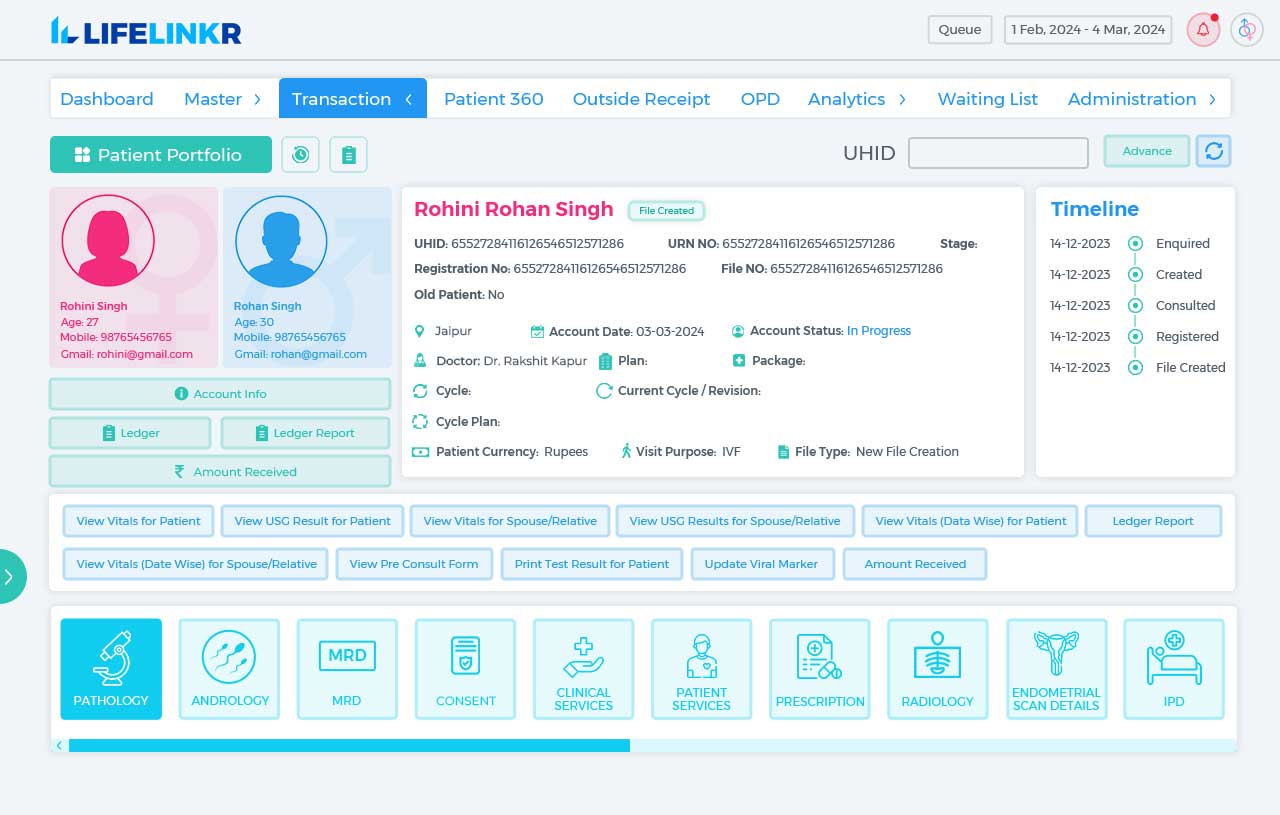
At LifeLinkr, we help IVF clinics move data smoothly with LifeLinkr IVF Clinic Software. Our system makes sure all patient records are transferred quickly, safely and without errors. This helps clinics work better and provide better patient care.
FAQs
What is API-driven data migration in IVF clinics?
API-driven data migration automates the transfer of patient records and other crucial information between systems, reducing errors and improving efficiency.
How do APIs ensure data security during migration?
APIs use encryption and secure authentication methods to protect sensitive patient data during transfer.
Can APIs integrate with older IVF management systems?
Yes, most APIs are designed to be compatible with legacy systems, ensuring smooth migration.
How long does API-based data migration take?
The duration depends on the clinic’s database size and API efficiency, but it is significantly faster than manual migration.
What are the costs associated with API integration for data migration?
Costs vary depending on the API provider, data volume and customization needs, but it is a cost-effective solution compared to manual migration.